
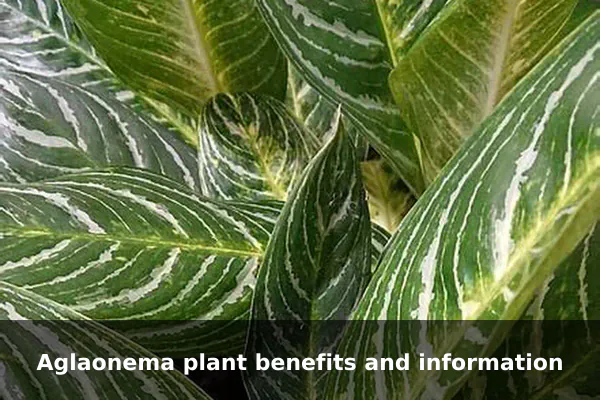
The Aglaonema, widely known as the Chinese evergreen, is one of the most rewarding houseplants for both beginners and seasoned indoor gardeners. With its painterly leaves splashed in silver, cream, pink, and deep green, it brings a quiet sense of luxury to any room while asking surprisingly little in return.
This guide explains the real Aglaonema plant benefits, what current science actually says about its air-purifying reputation, how to care for it properly, and the safety cautions every household should know before bringing one home.
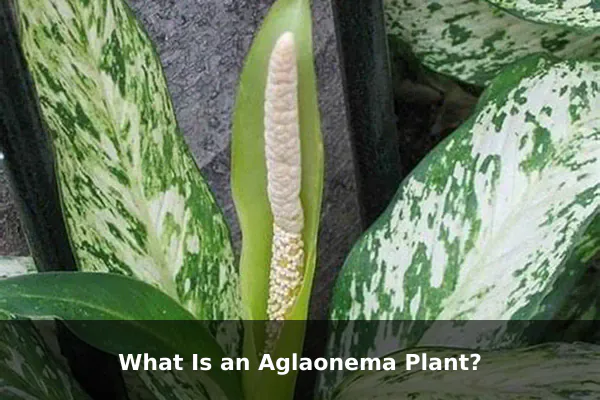
What Is an Aglaonema Plant?
Aglaonema is a genus of tropical foliage plants native to the humid forests of Southeast Asia. Modern cultivars such as ‘Silver Bay’, ‘Red Siam’, and ‘Maria’ are prized for their striking variegation and tolerance of typical indoor conditions. According to the North Carolina Extension Gardener Plant Toolbox, Aglaonema thrives in warm, shaded environments and rarely exceeds 60–90 cm indoors, making it ideal for tabletops, shelves, and offices.
Why It Is a Beginner Favorite
- Tolerates low to medium indirect light
- Forgives occasional missed waterings
- Grows slowly, so it rarely outgrows its spot
- Comes in dozens of decorative leaf patterns
Key Benefits of Growing Aglaonema Indoors
The strongest benefits of Aglaonema are aesthetic and psychological, supported by general research on indoor greenery and wellbeing rather than dramatic health claims.
1. Decorative Versatility
Few houseplants offer such varied foliage. Pink-veined cultivars warm up neutral interiors, while silver-green types complement minimalist decor.
2. Low-Light Tolerance
Aglaonema can adapt to north-facing rooms and interior offices where many tropicals struggle, though brighter indirect light preserves variegation best.
3. Easy, Low-Maintenance Care
It tolerates inconsistent watering schedules better than most tropical foliage plants, which suits busy households and small workspaces.
4. Calming Workspace Presence
Like many leafy plants, Aglaonema can contribute to a calmer visual environment. Benefits such as reduced perceived stress are typically tied to overall greenery, not to a single species.
Air-Purifying Claims: What the Evidence Really Says
Aglaonema often appears on lists of “air-purifying houseplants.” That reputation traces back to the 1989 NASA Clean Air Study, which tested several plants, including Aglaonema modestum, in sealed chambers and measured reductions in formaldehyde, benzene, and similar volatile organic compounds.
However, the U.S. Environmental Protection Agency notes that there is no conclusive evidence that a reasonable number of houseplants remove significant amounts of pollutants in real homes and offices. A 2019 peer-reviewed review in the Journal of Exposure Science & Environmental Epidemiology reached a similar conclusion: at practical room densities, natural ventilation outperforms potted plants for indoor air quality.
In short, Aglaonema is a beautiful and beneficial houseplant, but it should not be marketed as a substitute for ventilation or air filtration.
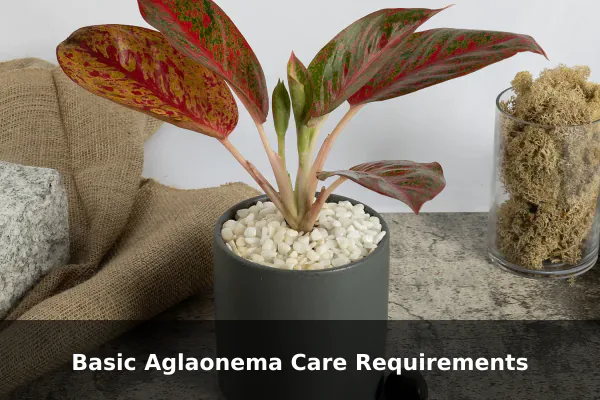
Basic Aglaonema Care Requirements
Light
Bright, indirect light is ideal. Variegated cultivars need more light to keep their patterns, while deep green varieties accept lower light. Avoid harsh direct sun, which scorches leaves.
Water
Allow the top 2–3 cm of soil to dry between waterings. Overwatering is the most common cause of yellowing leaves and root rot.
Soil and Potting
- Well-draining indoor potting mix
- Pot with adequate drainage holes
- Repot every 2–3 years when roots fill the container
Humidity and Temperature
Aglaonema prefers temperatures between 18–27°C and average household humidity. It dislikes cold drafts and temperatures below 15°C.
Fertilizer
Use a balanced liquid houseplant fertilizer at half strength every 4–6 weeks during spring and summer.
Safety for Pets and People
This is the most important section to read before buying. According to the ASPCA Animal Poison Control Center, Aglaonema modestum (Chinese evergreen) is toxic to cats, dogs, and horses. The toxic principle is insoluble calcium oxalate crystals, which can cause:
- Oral irritation and intense burning of the mouth, lips, and tongue
- Excessive drooling
- Vomiting (in some cases)
- Difficulty swallowing
The North Carolina Extension Plant Toolbox lists similar concerns for humans, particularly small children who may chew leaves. If ingestion occurs, contact a veterinarian or poison control center promptly. Always wash hands after handling cuttings or sap, and place plants out of reach of curious pets and toddlers.
Best Places to Display Aglaonema
Choose spots that combine indirect light with stable warmth:
- Living room shelves a few meters from a bright window
- Home office desks with filtered daylight
- Bedroom corners away from air-conditioning vents
- Hallway tables with consistent ambient light
Avoid bathrooms with no natural light, cold entryways, and any surface accessible to pets or young children.
Quick Buying and Maintenance Tips
- Inspect leaves for pests such as mealybugs, scale, and spider mites
- Check that the soil is moist but not soggy and the pot is not too heavy
- Avoid plants with yellowing lower leaves or mushy stems
- Wipe leaves gently with a damp cloth every few weeks to maintain shine
- Rotate the pot quarterly so growth stays even
Aglaonema at a Glance
- Light: Bright indirect; tolerates low light
- Water: When top 2–3 cm of soil is dry
- Difficulty: Beginner-friendly
- Pet safety: Toxic to cats, dogs, and horses (ASPCA)
- Best use: Decorative foliage for indoor spaces
- Main benefit: Attractive, low-maintenance greenery
Conclusion
The Aglaonema earns its popularity honestly: it is visually stunning, forgiving, and adaptable to the kind of imperfect light most homes provide. Its strongest benefits are decorative and emotional, while air-purifying claims should be viewed cautiously in light of EPA and recent peer-reviewed guidance. As long as you respect its safety profile by keeping it away from pets and small children, the Chinese evergreen can be one of the most rewarding long-term houseplants you ever own.
Official references
- NASA Technical Reports Server: Interior Landscape Plants for Indoor Air Pollution Abatement – Primary source behind many houseplant air-purifying claims; useful for explaining the original sealed-chamber evidence and its limits.
- U.S. EPA: Improving Indoor Air Quality – Official indoor air guidance; notes that a reasonable number of houseplants has not been shown to remove significant pollutants in homes and offices.
- Journal of Exposure Science & Environmental Epidemiology: Potted plants do not improve indoor air quality – Peer-reviewed review quantifying why potted plants generally do not clean indoor air at practical room densities.
- ASPCA Poison Control: Chinese Evergreen – Authoritative pet-safety reference listing Aglaonema modestum toxicity, toxic principle, and clinical signs for cats, dogs, and horses.
- North Carolina Extension Gardener Plant Toolbox: Aglaonema – University extension profile covering identification, care, growing conditions, and calcium oxalate toxicity concerns for humans and animals.
