
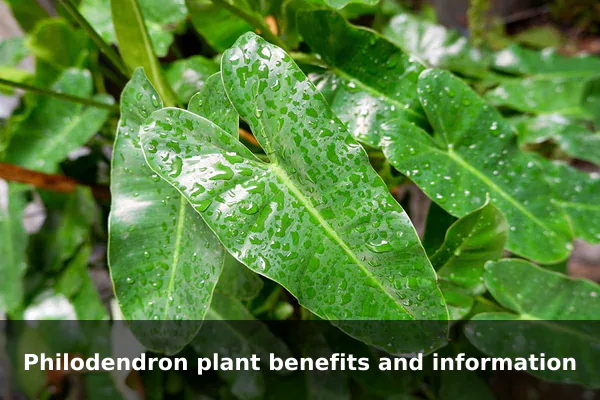
Philodendrons are among the most recognizable tropical foliage houseplants in the world, prized for their glossy leaves, forgiving nature, and ability to thrive in average indoor conditions. Whether trailing from a shelf or climbing a moss pole, they bring a lush, sculptural feel to almost any room without demanding expert-level care.
This guide explains what philodendrons are, the realistic benefits of keeping them indoors, how to care for them, and the safety limits every household with children or pets should understand before bringing one home.
What Is a Philodendron Plant?
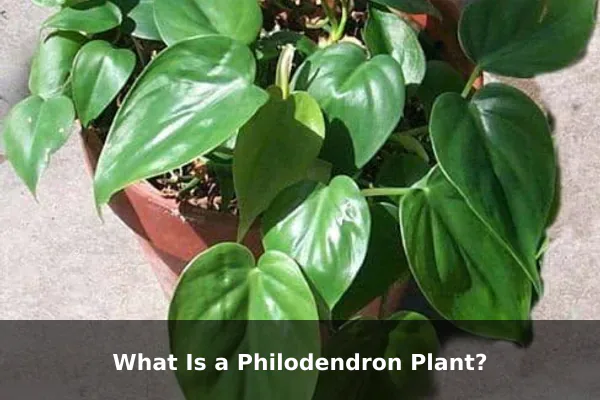
Philodendron is a large genus of tropical plants native to the rainforests of the Americas. According to the North Carolina Extension Gardener Plant Toolbox, philodendrons are grown indoors for their attractive, often heart-shaped or deeply lobed leaves and their adaptability to typical home environments.
Climbing vs. Self-Heading Types
Indoor philodendrons generally fall into two broad growth habits:
- Climbing or vining types, such as heartleaf philodendron, which trail from hanging baskets or climb supports.
- Self-heading types, which grow upright in a denser, bushier shape suited to floor pots.
Main Benefits of Growing Philodendron Indoors
The biggest benefits of philodendrons are practical and aesthetic rather than medical. They are popular because they look good, grow steadily, and tolerate a range of conditions that would stress more demanding plants.
Decorative and Styling Value
Philodendron foliage is bold, green, and versatile. It pairs well with modern, minimal, tropical, or bohemian interiors and works as both a statement plant and a soft accent in mixed plant displays.
Beginner-Friendly and Adaptable
The University of Illinois Extension notes that philodendrons are commonly grown as houseplants because they adapt to typical indoor light and humidity. They generally:
- Tolerate average indoor temperatures.
- Recover well from occasional missed waterings.
- Grow in a range of pot sizes and styles.
Greenery and Everyday Wellbeing
Many people simply enjoy having living greenery at home or in their workspace. While this article does not make medical claims, the visual presence of healthy plants is widely associated with a calmer, more inviting environment.
Air-Purifying Claims: What the Evidence Really Means
Philodendrons are often mentioned alongside the well-known NASA Clean Air Study, which tested several houseplants, including philodendron, for their ability to remove certain volatile organic compounds in sealed chambers. The original NASA technical report describes results from small, enclosed test environments rather than typical homes.
It is more accurate to say that:
- Philodendrons can absorb some indoor pollutants in controlled laboratory chambers.
- Real homes have much larger air volumes, ventilation, and many pollutant sources.
- A few houseplants are unlikely to replace good ventilation or proper air filtration.
Enjoy your philodendron for its beauty and easy care, and treat dramatic air-cleaning claims with healthy caution.
Basic Philodendron Care Information
Most philodendrons share similar core care needs, with small adjustments depending on the species.
Light
Bright, indirect light is ideal. Direct, harsh sun can scorch the leaves, while very low light slows growth and may cause leggy, pale stems.
Watering
Water when the top 2-3 centimeters of soil feel dry. Avoid leaving the pot in standing water, as soggy soil encourages root rot. Reduce watering in cooler months when growth slows.
Soil, Potting, and Humidity
- Use a well-draining houseplant or aroid mix.
- Choose pots with drainage holes.
- Average indoor humidity is usually enough, but tropical types appreciate occasional misting or a humidifier.
Pruning and Support
Trim leggy stems to encourage bushier growth, and provide a moss pole, trellis, or coir support for vigorous climbing varieties.
Safety: Philodendron Toxicity for People and Pets
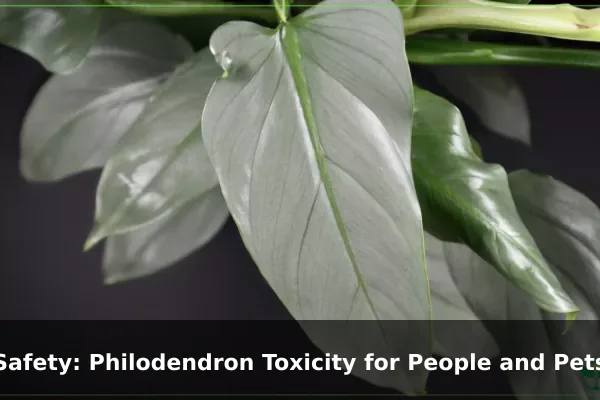
Philodendrons are not safe to chew or eat. Plant tissues contain insoluble calcium oxalate crystals, which can cause irritation if any part of the plant is bitten, chewed, or swallowed.
Risks for People
MedlinePlus describes philodendron ingestion symptoms that may include mouth and throat irritation, burning sensations, drooling, swelling, and difficulty swallowing. Effects vary depending on the amount chewed and the person involved.
Risks for Pets
The ASPCA Animal Poison Control lists philodendron as toxic to cats, dogs, and horses. Reported signs may include oral irritation, intense burning of the mouth, drooling, vomiting, and difficulty swallowing.
What to Do After Suspected Ingestion
- Remove any plant material from the mouth.
- Rinse the mouth and offer water or milk if safe and appropriate.
- For people, contact a poison control center or a medical professional.
- For pets, contact a veterinarian or an animal poison control hotline promptly.
Always follow the advice of qualified professionals rather than self-treating.
Best Places to Use Philodendron at Home
Smart placement makes philodendrons safer and more attractive at the same time. Good options include:
- High shelves and tall plant stands, out of reach of small children and pets.
- Hanging baskets in bright rooms, especially for trailing types.
- Home offices and study corners with indirect natural light.
- Bathrooms with a window, where humidity is slightly higher.
Avoid placing them on low side tables, bedside tables, or floor pots in homes where curious pets or toddlers can easily reach the leaves.
Quick Philodendron Buying and Care Checklist
Use this short checklist before bringing a new philodendron home:
- Choose a plant with firm stems, evenly colored leaves, and no large yellow or brown patches.
- Check the underside of leaves and the soil surface for pests.
- Match the type to your space: trailing varieties for shelves, upright forms for floor corners.
- Confirm the spot offers bright, indirect light and is away from cold drafts.
- Plan a safe placement that keeps the plant out of reach of children and pets.
- Set a simple weekly check-in to feel the soil and inspect the leaves.
Conclusion
Philodendrons earn their popularity through a combination of beauty, adaptability, and beginner-friendly care. Their main benefits are decorative and lifestyle-based, while bold claims about purifying home air should be read with care. Most importantly, remember that philodendrons are toxic if chewed or swallowed, so thoughtful placement and quick action after any suspected ingestion are essential for safe, long-term enjoyment.
Official references
- MedlinePlus Medical Encyclopedia: Philodendron poisoning – Authoritative human-health reference for philodendron ingestion, symptoms, toxic compound context, and first-aid guidance.
- ASPCA Animal Poison Control: Toxic and Non-Toxic Plants – Primary pet-toxicity database to verify philodendron risks for cats, dogs, and horses.
- North Carolina Extension Gardener Plant Toolbox: Philodendron – University extension plant profile with identification, growing information, and poison-characteristic notes.
- University of Illinois Extension: Philodendron – Practical university extension guidance for philodendron houseplant care, light, watering, and common forms.
- NASA Technical Reports Server: A Study of Interior Landscape Plants for Indoor Air Pollution Abatement – Original NASA report often cited for houseplant air-purifying claims; useful for explaining the claim's sealed-chamber origin.
