
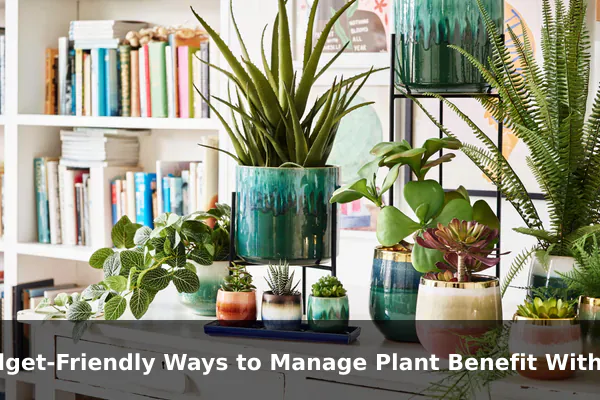
Getting real value from your plants does not require a large budget or a shelf full of premium products. The benefits people want from plants—cleaner-looking spaces, calmer rooms, fresh herbs, or a healthier garden—usually come from consistent, well-informed care rather than expensive purchases. When spending is planned instead of impulsive, you can lower costs and still protect plant health and quality.
This guide shows practical, quality-preserving ways to manage plant benefit on a budget. The idea is simple: separate essential plant needs from optional upgrades, match plants to your space, build soil naturally, conserve water, and lean on trustworthy public resources instead of trial-and-error buying. Done well, these habits reduce waste, prevent costly mistakes, and keep your plants thriving.
Start With a Plant Care Budget That Protects Essentials
A short, honest budget is the foundation of low-cost, high-quality plant care. List your recurring plant expenses so you can see where money actually goes and which items are truly essential.
- Essentials: quality potting mix, water, basic fertilizer, and reliable drainage.
- Periodic costs: pest management, pruning tools, and occasional replacement plants.
- Optional upgrades: decorative pots, specialty soils, gadgets, and trend plants.
Public budgeting guidance, such as resources from the Consumer Financial Protection Bureau, emphasizes weighing tradeoffs and avoiding cuts that create bigger costs later. The same logic applies here: trimming optional upgrades is smart, but skimping on drainage or healthy soil often leads to dead plants and repeat spending.
Track Before You Trim
For one or two months, note every plant-related purchase. Many people find their spending leans heavily toward impulse buys and decorative extras rather than the basics that keep plants alive. That insight alone can redirect money toward what genuinely improves plant benefit.
Choose Plants That Fit the Site Before Spending More
The cheapest way to keep plants healthy is to choose ones suited to your conditions from the start. A plant matched to its light, climate, space, and your available care time needs fewer corrective products and is far less likely to fail.
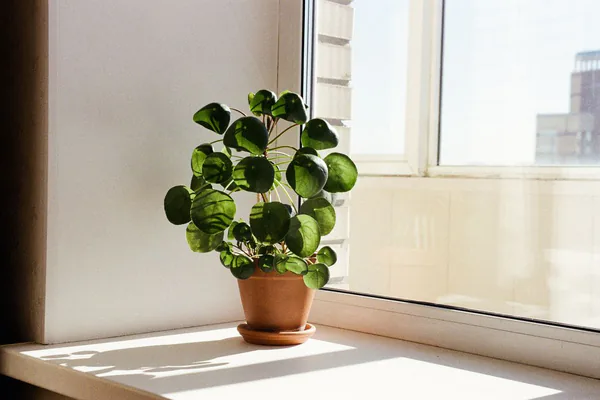
Before buying, honestly assess your space and habits:
- Light: Is the spot bright, indirect, or low light? Match the plant accordingly.
- Climate and season: Will it stay indoors, or face outdoor temperatures?
- Space: Account for the plant’s mature size, not just its size today.
- Care capacity: Be realistic about how often you can water and maintain it.
To confirm a plant’s identity, distribution, and general suitability, the USDA PLANTS Database is a reliable reference. Checking names and characteristics there can help you avoid mislabeled plants and species that are poorly suited to your region.
Use Local Extension Advice to Avoid Costly Guesswork
One of the most underused budget tools is free or low-cost science-based local guidance. In the United States, the Cooperative Extension system—supported by the USDA National Institute of Food and Agriculture—offers community-level help on plant selection, soil testing, pest identification, and seasonal care.
Why this matters for your wallet:
- An affordable soil test can reveal what your soil actually needs, so you stop buying fertilizer it may not require.
- Accurate pest or disease identification prevents wasted spending on the wrong treatments.
- Region-specific advice steers you toward plants that perform well locally.
Replacing guesswork with credible local information often pays for itself by preventing repeated, ineffective purchases.
Improve Soil With Low-Cost Organic Practices
Healthy soil is where plant benefit begins, and improving it is one of the most budget-friendly upgrades available. Instead of constantly buying additives, build soil quality over time with simple organic habits.
Compost and Mulch
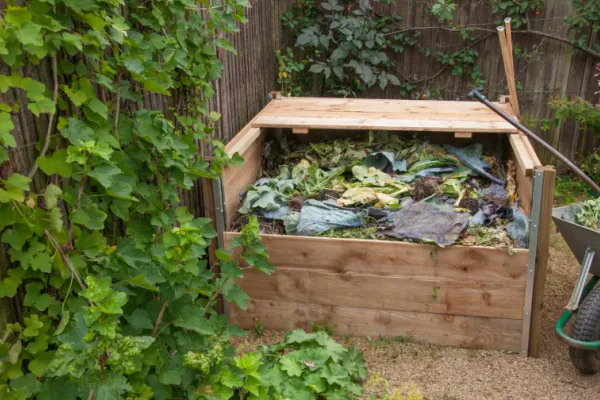
Home composting turns kitchen scraps and yard trimmings into a free soil amendment. The U.S. Environmental Protection Agency provides guidance on composting at home, noting it can enrich soil and reduce reliance on chemical inputs. Results vary with materials and method, so treat compost as a steady, long-term improvement rather than an instant fix. A layer of mulch, meanwhile, helps soil retain moisture and suppress weeds, easing both watering and maintenance.
Build Habits, Not Dependence on Products
Reusing healthy soil, refreshing pots with compost, and avoiding compaction keep plants supported without frequent purchases. Good soil practices reduce the need for fertilizers and some pest interventions, protecting both quality and budget.
Cut Water Waste Without Stressing Plants
Water is easy to overuse, which wastes money and can harm plants through root rot or fungal issues. The EPA’s WaterSense program offers watering tips aimed at keeping landscapes healthy while reducing waste—principles that apply equally to containers and gardens.
- Check before watering: Feel the soil and water when it is dry at the depth that matters for that plant, not on a rigid schedule.
- Water early: Morning watering reduces evaporation loss.
- Group by need: Cluster plants with similar water requirements to avoid over- or under-watering.
- Use mulch: It slows evaporation and keeps roots cooler.
- Maintain irrigation: Fix leaks and clogs so water reaches roots efficiently.
Watering smarter, not more, usually improves plant health while lowering your water bill.
Buy Less and Maintain Better
Long-term savings come from stretching what you already have. A few maintenance-focused habits can noticeably reduce spending while preserving quality:
- Clean your tools: Wiping and disinfecting pruners limits the spread of disease between plants.
- Propagate responsibly: Many common houseplants grow from cuttings, giving you new plants for free.
- Reuse containers safely: Clean used pots before replanting, and make sure they drain well.
- Buy smaller, healthy plants: Younger specimens cost less and often adapt better to your conditions.
- Time purchases: Shop in season, when healthy plants are more plentiful and often more affordable.
Know Where Not to Cut Corners
Saving money should never mean gambling with plant health. Some shortcuts cost more in the long run and can damage your plants or your home environment.
- Don’t skip pest or disease diagnosis. Treating blindly wastes money and may make problems worse.
- Don’t use unknown chemicals. Misapplied products can harm plants, people, and pets; follow label directions.
- Don’t buy the cheapest low-quality soil. Poor soil and bad drainage undermine everything else.
- Don’t ignore drainage. Pots without drainage are a common, avoidable cause of plant loss.
- Don’t choose unsuitable or invasive plants just because they’re cheap. Check suitability first to avoid future problems.
Conclusion
Managing plant benefit on a budget is less about spending little and more about spending wisely. When you plan a simple budget, match plants to your space, build soil with low-cost organic practices, water efficiently, and maintain what you own, you protect quality while reducing waste. Just as importantly, knowing where not to cut corners keeps small savings from turning into bigger losses. Lean on trusted public resources—extension services, the USDA PLANTS Database, and EPA guidance—and let informed, consistent care do the work that expensive products promise but rarely deliver.
Official references
- Consumer Financial Protection Bureau – Budgeting – Primary U.S. consumer finance source for budget planning, spending tradeoffs, and avoiding cost-cutting that creates larger risks.
- USDA National Institute of Food and Agriculture – Cooperative Extension – Explains the official Cooperative Extension system, a strong route to local, science-based plant care and cost-management guidance.
- USDA PLANTS Database – Authoritative plant taxonomy, distribution, and characteristics reference for checking plant names and suitability claims.
- U.S. EPA – Composting at Home – Supports budget-friendly soil improvement claims, including composting as a way to reduce fertilizer and pesticide needs.
- U.S. EPA WaterSense – Watering Tips – Official guidance on reducing water waste while maintaining healthy landscapes, useful for quality-preserving cost savings.
