
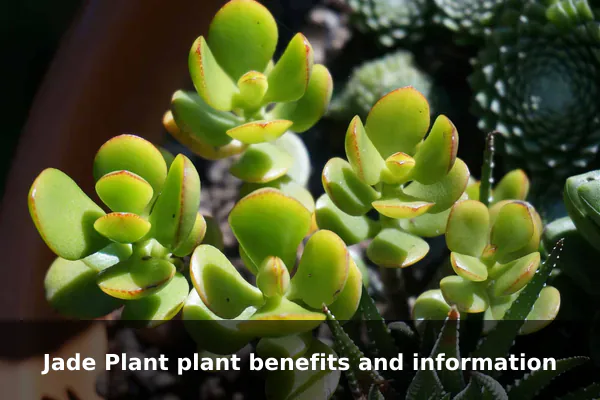
The jade plant (Crassula ovata) is one of the most recognizable succulent houseplants in the world. With its thick, glossy leaves and sturdy trunk-like stems, it brings a touch of natural elegance to any indoor space. Whether you are a first-time plant owner or a seasoned collector, the jade plant has something real to offer.
This guide covers the proven benefits of growing a jade plant, straightforward care instructions, common problems to watch for, and essential safety information for pet owners. If you have been curious about adding a jade plant to your home, this is the complete starting point you need.
What Is a Jade Plant?
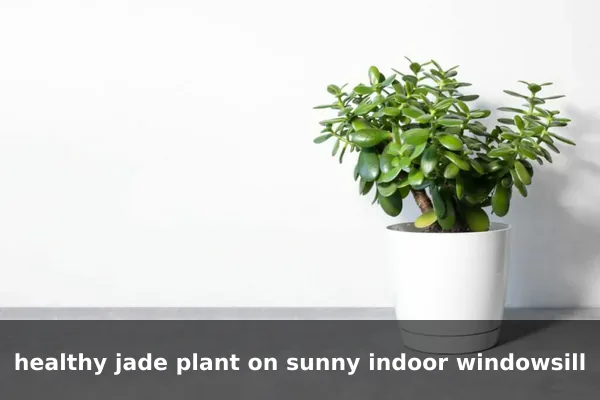
The jade plant, scientifically known as Crassula ovata, is a succulent native to South Africa and Mozambique. It belongs to the Crassulaceae family and is sometimes called the money plant, lucky plant, or friendship tree. In ideal conditions it can grow up to 90 cm (3 feet) tall indoors and live for decades.
Its defining features include:
- Oval, fleshy leaves in deep green, sometimes with red-tinged edges when exposed to bright light
- Thick, woody stems that give it a bonsai-like silhouette over time
- Slow, compact growth that suits small spaces and apartment living
Because it stores water in its leaves and stems, the jade plant tolerates drought and recovers well from occasional neglect, making it a favorite for busy households.
Key Benefits of Keeping a Jade Plant at Home
Jade plants offer several practical and aesthetic advantages that make them worth considering for any indoor environment.
- Low maintenance: Jade plants require minimal watering and thrive in typical indoor conditions without special humidity control.
- Exceptional lifespan: With basic care, a jade plant can live for 20 to 50 years, making it a lasting household companion unlike most other houseplants.
- Decorative value: The sculptural form and glossy foliage add visual interest to shelves, windowsills, and desks throughout the year.
- Beginner-friendly: Forgiving of occasional missed waterings, it is one of the best starter plants for new gardeners building their confidence.
- Calming indoor presence: A well-placed jade plant contributes to a more relaxing and inviting room atmosphere, adding greenery without demanding constant attention.
Many cultural traditions, particularly in Feng Shui, associate jade plants with prosperity and good fortune. While these are symbolic beliefs rather than scientific facts, they add meaningful appeal that many owners genuinely enjoy.
How to Care for a Jade Plant
Light and Temperature
Jade plants prefer bright, indirect light for at least 4 to 6 hours per day. A south- or west-facing windowsill is ideal. Extended direct afternoon sun can scorch the leaves. They grow best in temperatures between 15°C and 24°C (60°F–75°F) and should be kept away from cold drafts during winter months.
Watering and Soil
Overwatering is the most common cause of jade plant problems. Follow these simple rules:
- Water deeply, then allow the soil to dry out completely before watering again.
- Reduce watering frequency in winter when growth naturally slows.
- Always use a pot with drainage holes to prevent waterlogging at the roots.
- Use a fast-draining cactus or succulent mix, or blend perlite into regular potting soil.
Feed once a month during spring and summer with a balanced liquid fertilizer diluted to half strength. Skip feeding entirely in autumn and winter.
Common Problems and How to Fix Them
Even low-maintenance plants face occasional issues. Here are the most frequent jade plant problems and their straightforward solutions:
- Yellow or mushy leaves: Usually caused by overwatering. Let the soil dry fully and inspect roots for rot.
- Wrinkled or shriveled leaves: A clear sign of underwatering. Give the plant a thorough soak.
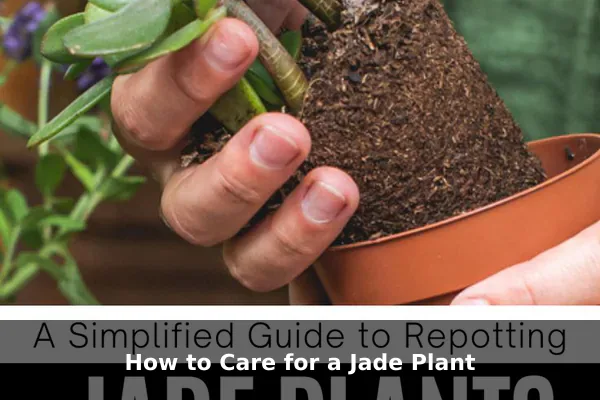
- Leaf drop: Often triggered by sudden temperature changes, cold drafts, or repotting stress.
- Leggy, stretched growth: Indicates insufficient light. Move the plant closer to a brighter window.
- Mealybugs or spider mites: Wipe affected leaves with a cotton swab dipped in rubbing alcohol or apply an insecticidal soap spray.
Is Jade Plant Safe for Homes With Pets and Children?
This is an important consideration for many households. The jade plant is toxic to cats and dogs if ingested, according to the ASPCA. Symptoms in pets can include vomiting, lethargy, and loss of coordination. It is also mildly toxic to humans if eaten, though serious cases are uncommon.
To keep your home safe:
- Place jade plants on high shelves or in rooms that pets and small children cannot access freely.
- Wash hands after handling the plant, especially before preparing food.
- If a pet shows symptoms after contact, contact a veterinarian promptly.
Why Jade Plant Remains a Popular Houseplant
The jade plant earns its place in millions of homes because it combines striking looks with exceptional durability. It rewards minimal effort with steady growth, a long lifespan, and a sculptural presence that improves naturally with age. For beginners, it is forgiving and confidence-building. For experienced plant owners, it is a reliable, elegant addition that complements any collection.
If you want a houseplant that is easy to care for, visually appealing, and capable of lasting for decades, the jade plant is an excellent choice. Start with a small pot, a sunny windowsill, and a light hand with the watering can — and your jade plant will thrive for years to come.
