
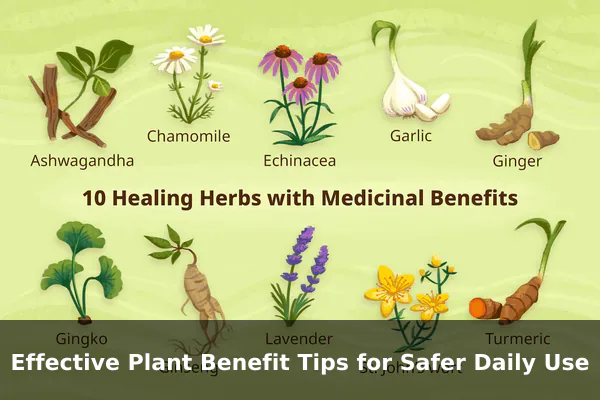
Plants and herbs can add real value to everyday life, from a calming cup of herbal tea to fresh leaves that brighten a meal or a tidy corner of greenery that lifts a room. Yet the same plant that helps one person can harm another if it is misidentified, prepared incorrectly, or left within reach of a curious child or pet. Safe daily use begins with correct identification and careful handling, not just enthusiasm for the benefits.
Many common household and garden plants are toxic to people, dogs, or cats, while others are perfectly safe. Knowing the difference is the foundation of using plant benefits responsibly. This guide focuses on a practical, safety-first approach: concrete tips you can apply today, with cautious wording wherever health is involved, so you can enjoy what plants offer while reducing avoidable risks.
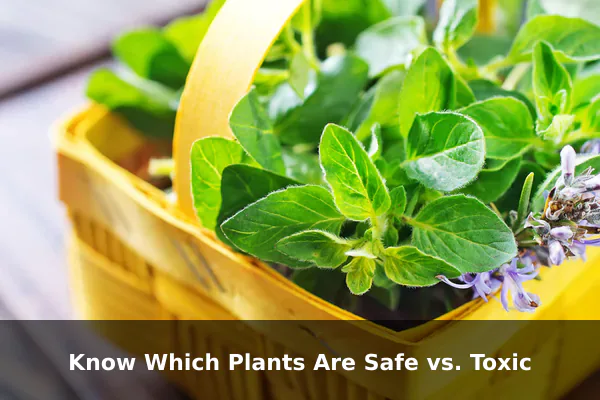
Know Which Plants Are Safe vs. Toxic
Before you touch, taste, or place a plant near family and pets, confirm what it actually is. Visual guesses are a common source of accidents because many ornamental and edible plants look alike. The most reliable habit is to check a trusted toxicity reference rather than relying on memory or social media.
Authoritative lists from Poison Control (National Capital Poison Center) and the ASPCA identify which household and garden plants are toxic or non-toxic, including effects that can differ between humans and animals. Checking these before contact or exposure is a simple, high-value step.
Quick identification habits
- Name it first: Confirm the species before assuming it is edible or harmless.
- Check both human and pet toxicity: A plant safe for people may still harm cats or dogs.
- Watch sap and berries: Many decorative plants have irritating sap or attractive but unsafe berries.
- When unsure, treat it as non-edible and keep it out of reach.
Common risk categories
- Ornamental houseplants kept for looks rather than consumption.
- Garden plants with bright berries or milky sap.
- Foraged or wild plants that resemble familiar herbs.
Safe Ways to Use Herbs for Everyday Benefits
Herbs and botanicals are among the most popular plants for daily use, often as teas, culinary seasonings, or topical preparations. Evidence on specific benefits varies by herb, so it is wise to keep expectations measured. The National Center for Complementary and Integrative Health (NCCIH) and the World Health Organization (WHO) both emphasize evidence-based, cautious use of herbal products.
Everyday uses that tend to be lower risk
- Culinary herbs: Cooking with common kitchen herbs in normal food amounts is generally familiar and well tolerated for most people.
- Herbal teas: Steeping recognized, food-grade herbs can be a gentle daily ritual when used in moderation.
- Topical use: Some plant preparations are applied to the skin, though a patch test is sensible to check for irritation.
Cautions worth keeping in mind
Herbal products are not automatically safe simply because they are natural. They can interact with medications, may not be appropriate during pregnancy or for certain conditions, and concentrated extracts behave differently from a pinch of an herb in food. If you take prescription medicines or have ongoing health concerns, discuss herbal use with a qualified healthcare professional before adding it to your routine.
Smart Handling, Storage, and Preparation Tips
How you handle and store plant products affects both safety and quality. Food-safety guidance from the U.S. Food and Drug Administration (FDA) highlights that some plants are poisonous and that careful sourcing and preparation matter, especially to avoid contamination or accidental use of the wrong plant.
- Source carefully: Buy edible herbs from reputable suppliers rather than harvesting unknown plants.
- Wash fresh leaves: Rinse fresh herbs under clean running water to remove dirt and residues.
- Keep amounts modest: More is not better; use ordinary culinary or labeled amounts.
- Separate edible from ornamental: Store kitchen herbs away from decorative plants to prevent mix-ups.
- Label and date: Mark dried herbs and homemade preparations so old or unknown items are not used by mistake.

Storage basics
- Keep dried herbs in sealed containers, away from heat and moisture.
- Refrigerate fresh herbs and use them within a reasonable time.
- Discard anything with mold, off smells, or uncertain identity.
Protecting Children and Pets at Home
Children and animals explore the world by touching and tasting, which makes accidental ingestion a real concern. A few placement and access habits dramatically reduce risk.
Practical safeguards
- Elevate or isolate toxic plants: Keep them on high shelves or in rooms pets cannot access.
- Label clearly: Mark which plants are not for eating, especially in shared homes.
- Supervise young children around any indoor or garden plants.
- Choose safer options for low shelves and play areas by checking non-toxic lists first.
Early warning signs to watch for
Effects of plant exposure can vary widely depending on the plant, the amount, and the individual. Possible signs include mouth or skin irritation, drooling, vomiting, or unusual behavior in pets. Symptoms are not always immediate, so do not assume a small exposure is harmless if a person or animal seems unwell.
What to Do If Something Goes Wrong
Even with care, accidents happen. Having a clear plan reduces panic and helps you act quickly.
- Stay calm and remove the plant from the person’s or pet’s mouth and surroundings.
- Identify the plant if you can, and note how much may have been ingested and when.
- Contact Poison Control or your local emergency service for guidance in a suspected human poisoning.
- Call a veterinarian or animal poison resource for pets, since safe treatment can differ from human advice.
- Do not force vomiting or self-treat unless a professional instructs you to.
Avoid self-diagnosis. Trained responders can advise whether monitoring at home is fine or whether immediate medical or veterinary care is needed.
Conclusion
Plants offer genuine, enjoyable benefits in daily life, but those benefits are safest when paired with simple, consistent precautions. Identify plants correctly, lean on authoritative toxicity and health references, use herbs in moderate and evidence-informed ways, and store and handle everything thoughtfully. Protect children and pets with smart placement, and keep an emergency plan ready just in case. With these habits, you can make the most of what plants provide while keeping your household safe every day.
Official references
- National Capital Poison Center (Poison Control) – Authoritative U.S. resource on toxic and non-toxic plants, exposure symptoms, and what to do in a poisoning emergency.
- ASPCA Toxic and Non-Toxic Plants List – Widely cited primary reference identifying which common household and garden plants are toxic or safe, important for safe daily use around pets and people.
- U.S. Food and Drug Administration (FDA) – Federal regulator providing official guidance on poisonous plants and food safety relevant to daily handling and consumption.
- National Center for Complementary and Integrative Health (NIH/NCCIH) – NIH agency offering evidence-based, peer-reviewed information on herbs and botanicals, their benefits, safety, and interactions.
- World Health Organization (WHO) – International authority on the safe use of traditional and herbal medicine and related public health guidance.
