
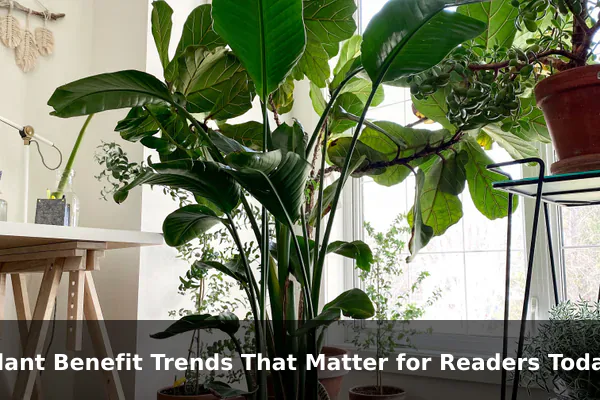
Plant benefits have moved far beyond decoration and weekend gardening. Readers today connect plants with cooler streets, calmer minds, healthier food access, and a more resilient natural world. As climate pressures grow and cities expand, the question is no longer whether plants matter, but which plant benefit trends are actually worth paying attention to.
This guide focuses on practical, evidence-aware trends rather than viral wellness claims. The most useful directions are those supported by credible institutions such as the Royal Botanic Gardens Kew, IPBES, the World Health Organization, USDA Climate Hubs, and the US Environmental Protection Agency. The goal is to help you spot realistic actions, avoid exaggerated promises, and make plant choices that hold up over time.
Why Plant Benefits Are Getting More Attention
Several shifts have pushed plant benefits into mainstream conversation. Cities are getting hotter, biodiversity loss is making headlines, and many readers are rethinking the value of green space after long stretches indoors. Plants now sit at the crossroads of climate adaptation, public health, and everyday well-being.
At the same time, official assessments such as the IPBES global biodiversity report and Kew’s State of the World’s Plants and Fungi highlight how much of nature’s value depends on functioning plant communities. That broader framing matters: the strongest trends are not about a single miracle plant, but about how plants collectively support life, comfort, and resilience.
Trend 1: Plants as Everyday Climate Support
One of the most important trends is using plants as practical climate infrastructure. The US EPA describes how green infrastructure can help manage stormwater, reduce urban heat, support habitat, and deliver community benefits. For readers, that translates into very tangible choices at home and in the neighborhood.
Where this trend shows up
- Shade trees and shrubs placed where afternoon sun hits walls, windows, or paved areas.
- Rain gardens and planted swales that slow and absorb runoff instead of sending it straight to drains.
- Green roofs, walls, and planted strips that cool buildings and soften hard surfaces.
Benefits depend on plant choice, local climate, and maintenance, so wording should stay cautious. Cooling and stormwater effects vary by site, and results build over years rather than overnight.
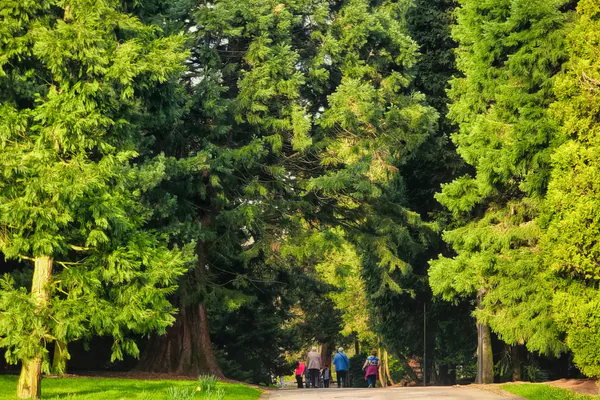
Trend 2: Urban Growing for Food, Access, and Community
Urban agriculture is another trend with real momentum. USDA Climate Hubs highlight how urban growing can support food access, community connection, climate resilience, and biodiversity in built-up areas. Readers do not need a farm to participate; a balcony, a shared bed, or a school plot can all play a role.
Realistic ways to take part
- Start with a few reliable edibles suited to your light, such as leafy greens, herbs, or compact tomatoes.
- Join or support a community garden if your space is limited.
- Use containers with good drainage and quality potting mix, especially where ground soil quality is uncertain.
It is fair to acknowledge limits. Urban yields are modest, soil contamination can be a concern in older sites, and maintenance requires steady effort. Treat urban growing as a meaningful supplement, not a full replacement for other food systems.
Trend 3: Green Spaces and Human Well-Being
The link between green space and well-being is now widely discussed. The World Health Organization’s evidence synthesis on urban green spaces points to associations with stress reduction, more physical activity, and stronger social connections. These are encouraging signals, but they are not medical treatments.
How to use this evidence sensibly
- Treat regular time near plants and parks as a supportive habit, alongside sleep, movement, and social contact.
- Favor accessible, safe, and welcoming green spaces for daily visits rather than rare trips to distant nature.
- Bring greenery indoors where outdoor access is limited, while being honest that the strongest evidence is for outdoor environments.
Avoid framing any plant as a cure for anxiety, depression, or chronic disease. Wellness benefits are real but general, and individual responses vary.
Trend 4: Biodiversity-Friendly Plant Choices
Biodiversity is moving from a specialist topic to a mainstream plant-buying concern. IPBES and Kew both emphasize that ecosystem services, from pollination to soil health, depend on diverse plant communities. Readers can support this through small, repeatable choices.
Practical biodiversity moves
- Choose native or regionally adapted plants where possible, since local wildlife is more likely to use them.
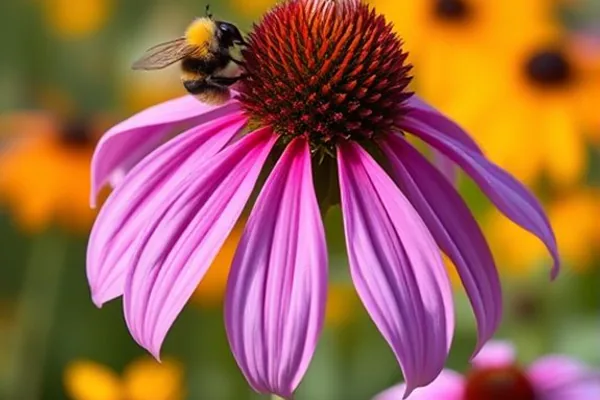
- Mix species and bloom times so pollinators have resources across the season.
- Avoid plants known to be invasive in your area, and check local guidance before adding unfamiliar species.
- Leave small wild patches, seed heads, or leaf litter where it is safe to do so.
Trend 5: Smarter Plant Buying and Care
A quieter but important trend is moving away from impulse plant buying toward durable, suitable choices. The cheapest plant is rarely the one that ends up in the compost after a month; the best plant is the one that matches your light, water access, and time.
A simple buying checklist
- Assess your light honestly, including how it changes by season.
- Match the plant’s water needs to how often you can realistically tend to it.
- Check whether it is safe around children or pets if that applies to your home.
- Confirm it is not invasive in your region.
- Plan for long-term size, especially for trees, shrubs, and fast-growing climbers.
This mindset reduces waste, supports plant welfare, and tends to deliver the strongest benefits over time.
What Readers Can Do This Week
You do not need a full landscape redesign to act on these trends. A few small, intentional steps can move you in the right direction:
- Identify one hot, sunny spot where a shade plant or shrub could help.
- Add at least one pollinator-friendly, locally appropriate variety to your space.
- Start a small edible container with herbs or greens you actually use.
- Improve watering habits by checking soil moisture before adding more.
- Support a nearby park, community garden, or street tree program.
The Bottom Line on Plant Benefit Trends
The plant benefit trends that matter most today are practical, local, and evidence-aware. They focus on long-term care, biodiversity, and realistic climate and well-being support rather than quick fixes or overstated wellness claims. By leaning on guidance from sources like Kew, IPBES, WHO, USDA Climate Hubs, and the EPA, readers can build plant habits that quietly pay off for years.
Choose plants that fit your conditions, plant for pollinators and shade where you can, and treat green space as a steady part of daily life. That is where the real, durable benefits live.
Official references
- Royal Botanic Gardens, Kew – State of the World's Plants and Fungi – Authoritative botanical science report series for current plant diversity, conservation, discovery, and knowledge-gap trends.
- IPBES Global Assessment Report on Biodiversity and Ecosystem Services – Primary international assessment for biodiversity, ecosystem services, and nature-benefit claims.
- World Health Organization – Urban Green Spaces and Health – Evidence synthesis for health claims about green spaces, plants, and human well-being.
- USDA Climate Hubs – Urban Agriculture – Government source for urban planting, food access, biodiversity, climate resilience, and heat mitigation benefits.
- US EPA – Benefits of Green Infrastructure – Official source for plant-based infrastructure claims involving stormwater, habitat, heat, health, and economic benefits.
