
Plant benefit claims can sound persuasive, but the evidence behind them varies enormously. A label might promise calmer sleep, sharper focus, or better digestion, yet the real support for those statements ranges from centuries of traditional use to a single small study, or sometimes to nothing more than marketing language. Knowing how to read past the promise is the difference between a smart, low-risk choice and a wasted purchase.
This guide gives you a practical, evidence-first way to judge any herb, botanical, plant food, or supplement before you try it. You will learn to separate strong claims from weak ones, read labels like safety documents, spot red flags, weigh benefits against your personal risk, and check trusted official sources. The goal is not to discourage you, but to help you decide with confidence.
Start With the Exact Claim Being Made
Before judging whether a plant works, identify what is actually being promised. Claims fall into a few broad types, and stronger claims demand stronger proof.
- Disease or treatment claims (for example, “lowers blood pressure” or “treats anxiety”) are the strongest and require the most rigorous evidence.
- Structure or function claims (“supports digestion,” “helps maintain healthy joints”) are softer and common on supplements.
- Nutrient content claims (“high in antioxidants”) describe composition, not a health outcome.
- Vague wellness language (“promotes vitality”) often means very little and is hard to verify.
According to U.S. Food and Drug Administration guidance on label claims, these categories are regulated differently, so reading the exact wording tells you how much the marketer is legally allowed to imply. The bolder the claim, the more skeptical you should be.
Check Whether the Evidence Matches the Claim
Once you know the claim, ask what kind of evidence supports it. Not all studies carry equal weight.
What strong evidence looks like
- Research conducted in humans, not only in cells or animals.
- Studies using a dose and plant part similar to the product you are considering.
- Consistent results across multiple independent studies rather than one isolated finding.
Where to read balanced summaries
You rarely need to interpret raw research alone. Evidence summaries from sources such as the NIH National Center for Complementary and Integrative Health’s Herbs at a Glance describe what is known, what remains uncertain, and any safety cautions for specific botanicals. When evidence is early or mixed, keep your own expectations cautious and treat the benefit as possible rather than proven.
Read the Label Like a Safety Document
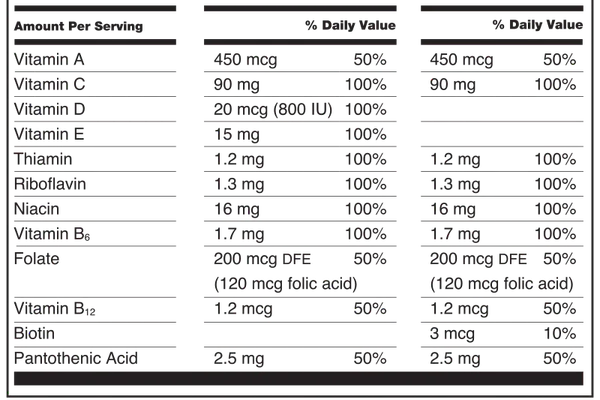
A label is not just branding; it is the clearest record of what you are about to consume. Read it slowly and look for specifics.
- Active ingredient and plant part: root, leaf, flower, and seed can have different effects and risks.
- Serving size and amount: compare it to the dose used in research, when available.
- Other ingredients: fillers, allergens, and additives may matter for sensitive users.
- Warnings and directions: note any cautions about duration, age, or conditions.
It also helps to know whether the product is sold as a food or a dietary supplement, because labeling rules differ. The NIH Office of Dietary Supplements explains that botanical supplements are regulated differently from conventional medicines, which is why quality and labeling can vary between brands. For products sold in the United States, the NIH Dietary Supplement Label Database lets you check declared ingredients and label wording before you buy.
Look for Red Flags in Plant Benefit Marketing
Some warning signs reliably suggest you should slow down. The Federal Trade Commission’s guidance on health product advertising stresses that benefit claims must be truthful and adequately substantiated. Be cautious when you see:
- Cure-all language claiming one plant fixes many unrelated conditions.
- Guaranteed or instant results, which real biology rarely delivers.
- Disease-treatment promises for a product sold as a simple supplement.
- Hidden or “proprietary” blends that obscure actual amounts.
- Exaggerated testimonials used in place of evidence.
- Pressure tactics such as countdown timers or “secret” formulas.
None of these prove a product is useless, but together they are a strong signal to research further before spending money or risking your health.
Compare Benefits With Personal Risk
A benefit only matters if it outweighs the risk for you. The same plant can be low-risk for one person and unsafe for another.
Factors that raise your personal risk
- Allergies to related plants or ingredients.
- Pregnancy or breastfeeding, when many botanicals are not well studied.
- Chronic conditions affecting the liver, kidneys, or heart.
- Medication interactions, since some herbs change how drugs work.
- Age, including children and older adults who may be more sensitive.
For any higher-risk situation, the safest step is to consult a qualified clinician or pharmacist who knows your full history. They can flag interactions that a label will not.
Use Official Sources Before You Buy
You do not have to evaluate plant benefit claims from memory. A short check across trusted, official resources can confirm or quickly dismiss a promise.
- Use FDA label-claim guidance to understand what the wording legally means.
- Use FTC advertising standards to judge whether marketing seems substantiated.
- Use NIH Office of Dietary Supplements background for how botanical benefits and safety are assessed.
- Use NCCIH Herbs at a Glance for plant-specific evidence and cautions.
- Use the NIH Dietary Supplement Label Database to verify ingredients and claims.
Treat anything you cannot confirm through credible sources as unproven for now, and weigh that uncertainty into your decision.
Make a Low-Risk Trial Plan
If a plant passes your checks and the risk seems acceptable, you can still try it carefully rather than all at once.
A simple, cautious approach
- Decide your category: avoid, research more, or try cautiously.
- Introduce one product at a time so you can tell what is responsible for any effect.
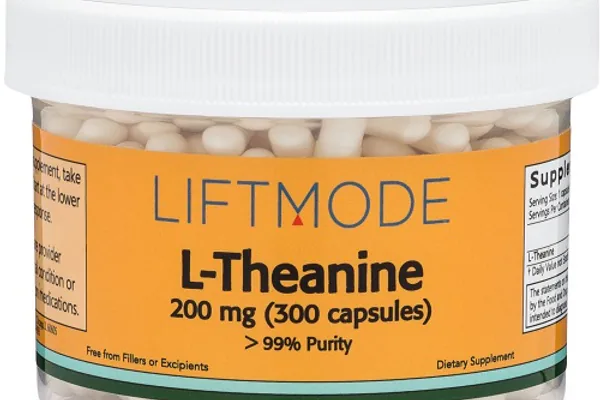
- Start low and follow label directions rather than exceeding them.
- Track results over a set period, noting benefits and side effects.
- Set a stopping rule in advance for any negative reaction.
This structure keeps a hopeful experiment from turning into a guessing game, and it gives you clear evidence about whether the plant actually helps you.
Conclusion
Evaluating plant benefit before you try it comes down to a repeatable habit: pin down the exact claim, match it against real evidence, read the label as a safety document, watch for marketing red flags, weigh the benefit against your personal risk, and confirm the details with official sources. A short, structured trial then turns a claim into your own clear answer.
None of this requires expert knowledge, only a willingness to pause before you purchase. With this checklist, you can enjoy the genuine value many plants offer while sidestepping the exaggerated promises that surround them. When a situation involves real health risk, let a qualified professional be the final step in your decision.
Official references
- Federal Trade Commission Health Products Compliance Guidance – Defines how health-related product efficacy claims should be substantiated and how misleading advertising is evaluated.
- FDA Label Claims for Conventional Foods and Dietary Supplements – Explains health claims, nutrient content claims, and structure/function claims that often appear on plant-derived foods or supplements.
- NIH Office of Dietary Supplements Botanical Dietary Supplements Background – Authoritative background on how botanical supplement benefits and safety are evaluated.
- NIH NCCIH Herbs at a Glance – Provides evidence summaries, safety cautions, and interaction information for specific herbs and botanicals.
- NIH Dietary Supplement Label Database – Useful for checking declared ingredients, label wording, and claims on dietary supplement products sold in the United States.
