
Plants shape much of our daily life, from the food on our plates to the greenery on our windowsills. Yet many readers still have questions about what plants can realistically do for health, mood, and home comfort. This guide answers the most frequently asked plant benefit questions with cautious, evidence-aware explanations rather than marketing promises.
The goal here is not to sell a wellness routine. It is to help you tell strong, well-supported plant benefits apart from claims that are weaker, unproven, or product-specific. When the question touches medicine, pregnancy, or supplements, always defer to a qualified healthcare professional and trusted public health guidance.
Why Are Plants Considered Beneficial?
Plants are foundational to human life. They provide food, fiber, fuel, shelter, and oxygen, and they support ecosystems that humans depend on. Beyond biology, plants carry cultural, culinary, and emotional value that shapes daily routines.
Common categories of plant benefits
- Nutritional: fruits, vegetables, legumes, whole grains, and nuts supply vitamins, minerals, and fiber.
- Environmental: trees and plants support biodiversity, soil health, and local climate.
- Functional: timber, textiles, oils, dyes, and natural materials.
- Lifestyle: gardening hobbies, indoor greenery, and outdoor time linked to relaxation and routine.
Not every benefit is equal in strength. Dietary benefits of plant foods are well documented, while many marketed wellness claims are far less certain.
What Health Benefits Come From Eating Plant Foods?
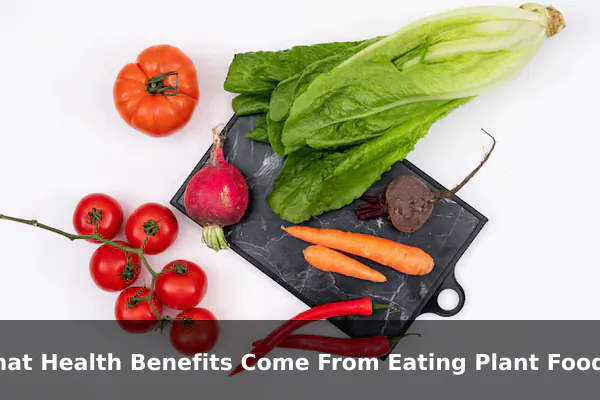
This is where the evidence is strongest. According to the World Health Organization, a healthy diet rich in fruits, vegetables, legumes, nuts, and whole grains is associated with a reduced risk of several noncommunicable diseases when combined with overall balanced eating. The USDA MyPlate guidance similarly encourages filling about half the plate with fruits and vegetables.
Typical contributions of plant foods
- Dietary fiber from beans, oats, fruits, and vegetables supports digestion.
- Vitamins and minerals like vitamin C, folate, potassium, and magnesium.
- Phytonutrients such as carotenoids and polyphenols studied for their antioxidant activity.
- Lower energy density, which can help with portion awareness as part of a balanced diet.
Cautious wording matters here. Eating more plants is generally encouraged, but it does not guarantee prevention or treatment of any specific disease. Individual needs vary with age, health conditions, and medications.
Are Herbal Plants and Botanical Supplements Always Safe?
No. “Natural” is not the same as “safe.” The NIH National Center for Complementary and Integrative Health and the NIH Office of Dietary Supplements emphasize that botanical products can have real pharmacological effects, side effects, and interactions with prescription medicines.
Common safety concerns
- Drug interactions: some herbs may affect how medications are absorbed or metabolized.
- Quality variability: supplements can differ in potency, purity, and labeling accuracy.
- Special populations: pregnancy, breastfeeding, children, older adults, and people with chronic illness need extra caution.
- Disease claims: under U.S. FDA rules, dietary supplements cannot claim to diagnose, treat, cure, or prevent disease.
If you are considering an herbal product, talk to a pharmacist or clinician, and check NIH fact sheets for what current science actually says.
Can Indoor Plants Improve Well-Being?
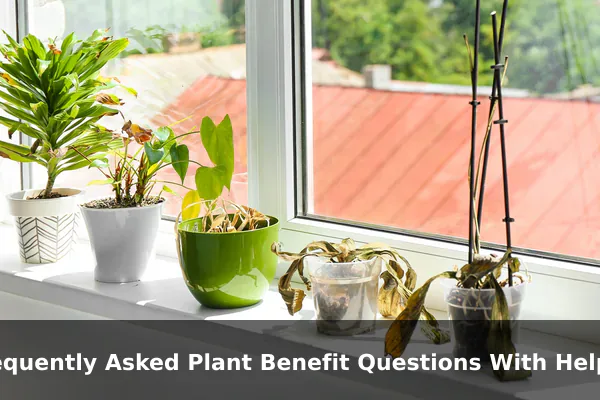
Indoor plants can add visual comfort, structure to daily routines, and a small sense of caretaking. Many people report that tending plants is calming. These are reasonable, modest benefits grounded in lifestyle and psychology rather than dramatic health transformations.
What indoor plants realistically offer
- A green focal point that softens interiors and small spaces.
- A simple routine of watering, pruning, and observing growth.
- Visual variety that some people find restful at home or at work.
Where to be cautious
Strong claims that a few houseplants can meaningfully “purify” the air in a typical room often go beyond what controlled studies support. Ventilation, source control, and reducing indoor pollutants are usually more impactful than plant count.
Which Plant Benefits Are Most Evidence-Based?
Looking across major public health sources, the most consistent, evidence-supported plant benefits come from overall dietary patterns rather than from any single “superfood” or trending extract.
Stronger claims
- Diets high in vegetables, fruits, legumes, and whole grains support general health.
- Fiber-rich plant foods contribute to digestive health.
- Replacing some refined or highly processed foods with whole plant foods is generally encouraged.
Weaker or product-specific claims
- Single-herb “cures” for complex conditions.
- Detox or cleanse products marketed with strong disease language.
- Houseplant arrangements promised to remove indoor pollutants at meaningful rates.
How Should Readers Choose Plants for Food, Home, or Wellness?
Choosing well means matching the plant to a realistic goal and a trustworthy source of information.
Practical checklist
- For diet: aim for variety and color across fruits and vegetables, following MyPlate-style guidance.
- For home: pick houseplants suited to your light, humidity, and time for care, and check whether they are pet-safe.
- For herbs and supplements: read labels, look for third-party quality testing, and consult a clinician.
- For information: prefer NIH, FDA, WHO, and USDA resources over social media claims.
Quick Answers to Common Plant Benefit Questions
Do I need supplements if I eat plenty of plants?
Not usually. A balanced diet often covers most nutrient needs, but specific conditions may warrant guided supplementation.
Are organic plants more beneficial?
The main message from public health bodies is to eat more plants overall, organic or not. Wash produce well and choose what fits your budget.
Can herbal teas replace medicine?
No. They may be enjoyable, but they are not substitutes for prescribed treatment. Discuss any regular herbal use with your clinician.
Are houseplants safe around pets and children?
Some are not. Check species toxicity from a veterinary or poison control resource before bringing a plant home.
How fast will I notice benefits?
Dietary changes work over weeks and months, not days. Houseplant enjoyment is immediate but modest. Be skeptical of any product promising rapid, dramatic results.
Conclusion
Plant benefits are real, but they are best understood as a spectrum. Eating a varied, plant-rich diet stands on the strongest evidence, while herbal products and indoor plant wellness claims require more caution and individualized advice. Use official guidance from NIH, FDA, WHO, and USDA as your anchor, and treat marketing claims as starting points for questions rather than conclusions.
When in doubt, choose the simple path: more whole plant foods, sensible houseplant choices for your space, and professional advice before adding supplements. That approach captures most of the real benefits without overpromising what plants can do.
Official references
- NIH National Center for Complementary and Integrative Health – Herbs at a Glance – Authoritative NIH fact sheets on common herbs and botanicals, including what the science says, side effects, and cautions.
- NIH Office of Dietary Supplements – Botanical Dietary Supplements – Primary federal reference for botanical supplements, useful for explaining evidence limits, safety, and how botanicals differ from medicines.
- U.S. Food and Drug Administration – Dietary Supplement Questions and Answers – Essential for checking legal and safety language around supplement and wellness claims, including disease-treatment claim limits.
- World Health Organization – Healthy Diet Fact Sheet – Global public health source for claims about fruits, vegetables, legumes, whole grains, nuts, and diet-related disease prevention.
- USDA MyPlate – Vegetables – Official U.S. nutrition guidance for vegetable benefits, serving guidance, and cautious wording around disease-risk reduction.
