

Lucky bamboo is one of the most recognizable indoor plants found in homes, offices, and gift shops around the world. Its slender, elegant stalks and vibrant green leaves create an eye-catching display that suits almost any space — from a minimalist desk corner to a bright living room shelf.
Despite its name, lucky bamboo is not actually bamboo at all. It belongs to the genus Dracaena, scientifically known as Dracaena sanderiana, and is native to the rainforests of Central and West Africa. The “bamboo” label comes from its appearance — the segmented stalks closely mimic true bamboo — but caring for it is quite different. Understanding this distinction helps you give it exactly the right conditions to thrive indoors.
What Is Lucky Bamboo?
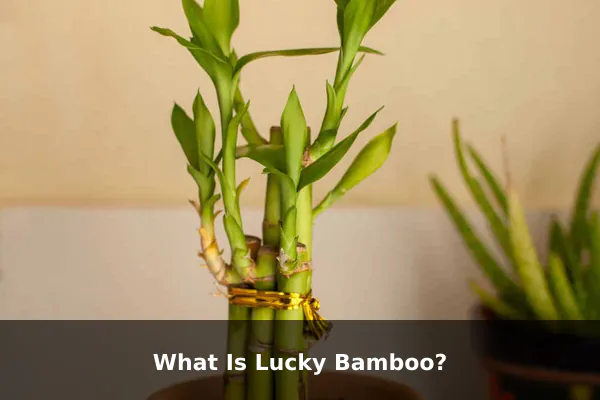
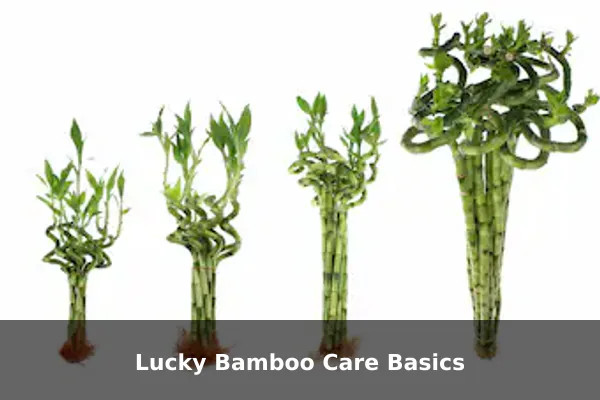
Lucky bamboo (Dracaena sanderiana) is a tropical plant prized for its graceful stalks, which can be left straight or trained into spirals, braids, and other decorative shapes. It originates from shaded forest floors, which is why it adapts naturally to the lower light levels found inside most homes and offices.
The plant is deeply embedded in Chinese and East Asian cultural traditions. In feng shui, the number of stalks carries symbolic meaning:
- 2 stalks: Love and partnership
- 3 stalks: Happiness, wealth, and long life
- 5 stalks: Wealth and good fortune
- 7 stalks: Good health
Because of this rich symbolism, lucky bamboo is a popular gift for housewarmings, new businesses, and celebrations across many cultures.
Top Benefits of Lucky Bamboo
Visual Appeal and Décor Versatility
Lucky bamboo adds a clean, modern aesthetic to any room. Its upright form fits naturally on desks, shelves, windowsills, and dining tables. Stalks are often sold arranged in decorative pots or glass vases, making it an instant decorative piece that requires little additional styling from the owner.
Low Maintenance and Beginner-Friendly
Unlike many houseplants, lucky bamboo demands very little. It grows well in water alone, tolerates indirect light, and rarely needs repotting. For beginners who want a living plant without complex care routines, it is one of the most rewarding choices available.
Feng Shui and Symbolic Value
Beyond its looks, lucky bamboo is widely believed to attract positive energy, good luck, and balance into a living or working space. This symbolic dimension makes it a meaningful gift and a thoughtful addition to any environment where people want an uplifting, harmonious atmosphere.
Lucky Bamboo Care Basics
Light and Temperature
Lucky bamboo thrives in bright, indirect light. Direct sunlight will scorch the leaves and cause them to turn yellow rapidly. A spot near a window with filtered light — or in a well-lit room away from harsh rays — works best. Keep it in temperatures between 65°F and 90°F (18°C–32°C) and away from cold drafts or air conditioning vents.
Water and Container
When grown in water, use clean, filtered water whenever possible. Tap water can contain fluoride and chlorine, which cause brown leaf tips over time. Change the water every one to two weeks to prevent bacterial buildup and keep roots healthy. The container should hold about 1–2 inches of water covering the roots, without submerging the entire stalk.
Growing Lucky Bamboo in Water vs Soil
Both methods work well, but each has distinct trade-offs worth considering before you choose:
- Water: Easier to monitor, very low mess, and allows you to display roots in a transparent vase. Requires regular water changes and occasional container cleaning to prevent algae growth.
- Soil: Provides a more stable growing environment and better long-term root health. Requires less frequent attention once established, but overwatering can lead to root rot if drainage is poor.
For most beginners, starting in water is simpler and delivers a more visual, stylish display. If you want the plant to grow larger and stronger over time, transitioning to a well-draining potting mix is a worthwhile step.
Common Problems and How to Fix Them
Even a low-maintenance plant like lucky bamboo can run into issues. Here are the most common problems and quick fixes:
- Yellow leaves: Usually caused by too much direct sunlight or fluoride in tap water. Move to indirect light and switch to filtered water.
- Brown leaf tips: Often a sign of low humidity or water quality issues. Trim the brown ends with clean scissors and use filtered water going forward.
- Algae growth: Green algae builds up on containers exposed to too much light. Use an opaque container or reduce direct light exposure.
- Mushy stalks: A sign of root rot from stagnant water or overwatering. Remove affected parts, clean the roots thoroughly, and start fresh with clean water or dry soil.
- Drooping growth: Can indicate insufficient light or a water level that has dropped too low in the container.
Is Lucky Bamboo Safe for Pets?
Lucky bamboo is toxic to cats and dogs if ingested. Symptoms in pets may include vomiting, drooling, and weakness. If you share your home with curious pets, place the plant on a high shelf or in a room that animals cannot access freely. It is not considered toxic to humans, so it is otherwise safe for most households with proper placement.
Tips to Keep Lucky Bamboo Healthy Longer
A few simple habits will keep your plant vibrant and growing for years:
- Change the water every 7–14 days to prevent bacterial buildup.
- Use filtered or distilled water when possible to avoid fluoride damage.
- Keep the plant away from direct sunlight and cold drafts.
- Clean the container with mild soap before each refill.
- Trim yellowed or dead leaves with clean, sharp scissors.
- Feed with a very diluted liquid fertilizer once every one to two months — lucky bamboo needs very little nutrition.
Lucky bamboo is a compact, elegant, and low-maintenance indoor plant that brings both visual charm and cultural symbolism to any living space. Whether displayed in a sleek glass vase on your desk or gifted to someone special, it rewards minimal effort with steady, graceful growth. With just a few simple care habits — clean water, indirect light, and occasional trimming — your lucky bamboo can stay healthy and beautiful for years to come.
