
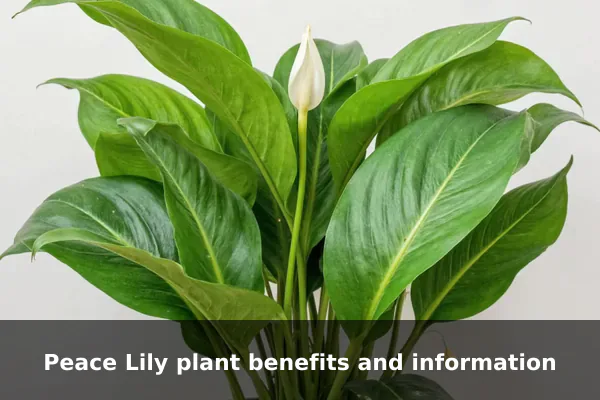
The peace lily is one of the most recognizable indoor plants in the world, prized for its deep green, glossy leaves and its elegant white blooms that look like small flags rising above the foliage. It is often recommended to beginners because it tolerates low light, forgives occasional missed waterings, and adds a clean, calming look to almost any room.
This guide explains what a peace lily really is, its most useful indoor benefits, what the popular air-purifying claims actually mean, how to care for it, and the safety limits every owner should understand before placing it near pets or small children.
What Is a Peace Lily?
Peace lily is the common name for plants in the genus Spathiphyllum, a group of tropical evergreens in the arum family (Araceae). The species most often sold as a houseplant is Spathiphyllum wallisii, with cultivars and hybrids producing larger leaves or bigger spathes. Despite the name, peace lilies are not true lilies.
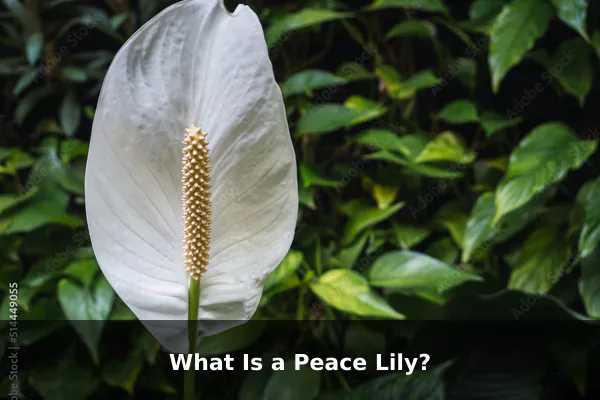
The white “flower” is actually a spathe, a modified leaf-like bract that wraps around a central spadix covered in many tiny true flowers. Botanical naming and taxonomy for Spathiphyllum are documented by the Royal Botanic Gardens, Kew in Plants of the World Online.
Main Benefits of Keeping a Peace Lily Indoors
Most peace lily benefits are practical and aesthetic rather than medical. They are useful in homes, offices, and small apartments because they thrive in conditions where many other flowering plants struggle.
Decorative and Wellbeing Value
- Year-round greenery: Glossy, arching leaves keep the plant attractive even when it is not in bloom.
- Elegant white blooms: Mature, well-cared-for plants can flower more than once a year indoors.
- Calming presence: Like many indoor plants, peace lilies can contribute to a more relaxing visual environment.
Practical Growing Advantages
- Low-light tolerance: Survives in spots that receive only bright, indirect or filtered light.
- Clear thirst signals: Leaves droop noticeably when the soil is dry, making watering easy to time.
- Compact size: Fits well on desks, side tables, and shelves in small spaces.
- Modest humidity contribution: Like other tropical foliage plants, it releases some moisture through transpiration.
Peace Lily and Indoor Air Quality Claims
Peace lily is frequently described as an “air-purifying” plant. This reputation traces back to a NASA technical study from 1989 on interior landscape plants for indoor air pollution abatement, which tested several houseplants, including Spathiphyllum, against specific volatile compounds inside sealed chambers.
It is important to read those results carefully:
- The study used sealed test chambers, not normal homes with open doors, windows, and ventilation.
- Real-world rooms exchange air far faster than a single plant can filter it.
- More recent reviews suggest you would need an unrealistic number of plants per square meter to match the effect of basic ventilation.
A peace lily can be a pleasant, living part of your indoor environment, but it should not be treated as a replacement for proper ventilation or an air purifier.
Basic Peace Lily Care Requirements
Peace lily care is relatively forgiving when a few core conditions are met. The University of Florida IFAS Extension provides practical foliage-plant guidance for Spathiphyllum growers.
Light
Bright, indirect light produces the best growth and flowering. Direct midday sun can scorch leaves and cause pale, washed-out foliage. In deeper shade the plant survives but may bloom rarely.
Watering and Humidity
- Water when the top 2-3 cm of soil feels dry, or as soon as leaves start to droop slightly.
- Avoid letting the pot sit in standing water, which can cause root rot.
- Average indoor humidity is usually acceptable; occasional misting or a pebble tray helps in very dry rooms.
Soil, Temperature, and Feeding
- Soil: A well-draining, peat-based houseplant mix works well.
- Temperature: Comfortable indoor temperatures, roughly 18-27 °C, suit it best; avoid cold drafts.
- Fertilizer: A balanced houseplant fertilizer at a diluted rate every few weeks during active growth is generally enough.
Common Problems, Pests, and Blooming Issues
Most peace lily complaints come from a small list of recurring issues that are usually easy to fix.
- Yellow leaves: Often from overwatering, poor drainage, or aging lower leaves.
- Brown leaf tips: Commonly linked to dry air, inconsistent watering, or excessive fertilizer salts.
- Persistent drooping: Usually thirst, but can also indicate root damage if the soil stays wet.
- No flowers: Most often caused by insufficient light or a very young plant.
- Pests: Watch for spider mites, mealybugs, and scale; wipe leaves and treat early with appropriate houseplant remedies.
Safety: Is Peace Lily Toxic?
Peace lily contains insoluble calcium oxalate crystals, which can cause irritation if chewed or swallowed. This makes it a meaningful safety consideration for households with curious pets or small children.
Pets
The ASPCA Animal Poison Control lists peace lily as toxic to cats and dogs. Typical signs after chewing include oral irritation, intense drooling, pawing at the mouth, and vomiting. Although it is not in the same category as true lilies (Lilium) for kidney damage in cats, any suspected ingestion still warrants a call to a veterinarian or the ASPCA poison line.
Humans
According to Poison Control, biting or swallowing peace lily plant parts can cause mouth burning, lip and tongue swelling, and stomach upset. Reactions are usually mild but uncomfortable. Rinse the mouth with water, offer a cold drink, and contact Poison Control or a medical professional if symptoms are severe or persistent.
Best Places to Put a Peace Lily
Choose a spot that meets both the plant’s needs and basic household safety:
- Near an east- or north-facing window with filtered light.
- A bathroom or kitchen corner that stays warm and slightly humid, away from cold drafts.
- On a shelf or plant stand out of reach of cats, dogs, and young children.
- Away from heating vents, air conditioners, and frequently opened exterior doors.
Quick Peace Lily Information Table
- Scientific name: Spathiphyllum spp. (commonly S. wallisii)
- Plant type: Tropical evergreen foliage houseplant
- Light: Bright, indirect light; tolerates lower light
- Water: When topsoil is dry or leaves slightly droop
- Bloom: White spathe with central spadix
- Key benefit: Easy-care indoor greenery with elegant blooms
- Toxicity: Contains calcium oxalates; irritating to pets and humans if chewed
Conclusion
The peace lily earns its popularity through a balance of beauty, resilience, and easy indoor care rather than dramatic health effects. It offers reliable greenery, occasional white blooms, and forgiving behavior in lower-light rooms, which makes it especially friendly for beginners and small spaces.
Treat its air-purifying reputation as modest support rather than a medical claim, give it bright indirect light and consistent but moderate watering, and keep it safely out of reach of pets and children. Handled with these realistic expectations, a peace lily can remain an attractive, low-effort companion in your home for many years.
Official references
- Royal Botanic Gardens, Kew – Plants of the World Online: Spathiphyllum wallisii – Authoritative taxonomy and naming reference for peace lily, useful for confirming the accepted scientific name and botanical context.
- University of Florida IFAS Extension – Florida Foliage House Plant Care: Spathiphyllum – Extension guidance on peace lily houseplant care, growing conditions, pests, and practical horticultural information.
- ASPCA Animal Poison Control – Peace Lily – Primary pet-toxicity reference listing peace lily toxicity to cats and dogs, toxic principle, and clinical signs.
- Poison Control – Are peace lilies poisonous? – Human poisoning and first-aid reference explaining calcium oxalate irritation risk from peace lily ingestion.
- NASA Technical Reports Server – A Study of Interior Landscape Plants for Indoor Air Pollution Abatement – Primary NASA technical memorandum behind many peace lily and houseplant air-purification claims.
