
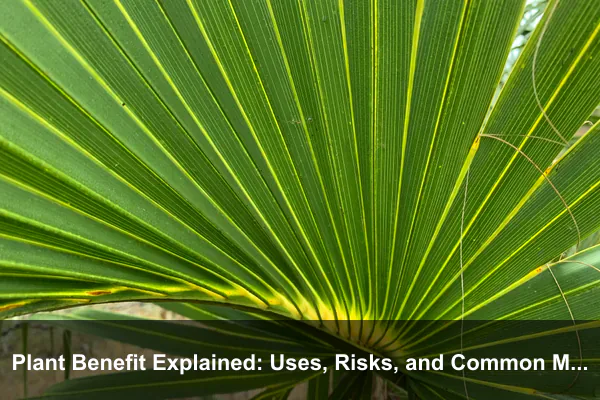
Plants quietly shape daily life in more ways than most people realize. From the basil on a kitchen windowsill to the shade tree in a backyard, the idea of a plant benefit stretches across food, wellness, decor, and the environment. Yet the word benefit can be misleading if we forget that every plant has a context, a proper use, and sometimes a risk.
This guide explains what plant benefits really mean, how to use plants safely, and the most common mistakes to avoid. The goal is balance: plants are powerful allies when chosen and used wisely, but they are not magic cures, and natural does not automatically mean safe.
What Does “Plant Benefit” Really Mean?
A plant benefit is any practical, nutritional, ecological, or wellness value a plant offers to people, animals, or the surrounding environment. The phrase is broad on purpose because plants serve us in many different ways.

Common Categories of Plant Benefits
- Nutrition: Fruits, vegetables, legumes, grains, and edible leaves that nourish the body.
- Herbal and traditional use: Plants like ginger, turmeric, or chamomile used in teas and traditional remedies.
- Air and environment: Trees and houseplants that contribute to oxygen, shade, and humidity.
- Ornamental and emotional value: Flowers and foliage that improve mood, decor, and indoor ambience.
- Ecosystem support: Pollinator-friendly plants, soil-building cover crops, and habitat for wildlife.
- Practical materials: Cotton, bamboo, timber, and natural dyes used in everyday products.
Understanding these categories helps set realistic expectations. A peace lily is not a substitute for an air purifier, and a cup of mint tea is not a replacement for medical care—but both still offer meaningful, real-world value.
Common Uses of Beneficial Plants
People interact with helpful plants in dozens of small ways every day. Recognizing these uses makes it easier to integrate plants intentionally rather than randomly.
Everyday Uses at Home
- Culinary herbs: Basil, rosemary, parsley, and chili enhance flavor and may add micronutrients.
- Soothing teas: Chamomile, lemon balm, and peppermint for mild, comforting routines.
- Indoor greenery: Pothos, snake plant, and ZZ plant for low-maintenance decoration.
- Garden support: Marigolds for pest deterrence, clover for soil health, lavender for pollinators.
- Composting: Garden trimmings and food scraps returned to the soil as nutrients.
Wider Community and Environmental Roles
Beyond the home, plants provide shade in cities, reduce stormwater runoff, support bees and butterflies, and supply raw materials for textiles and construction. These roles are often invisible until they are missing.
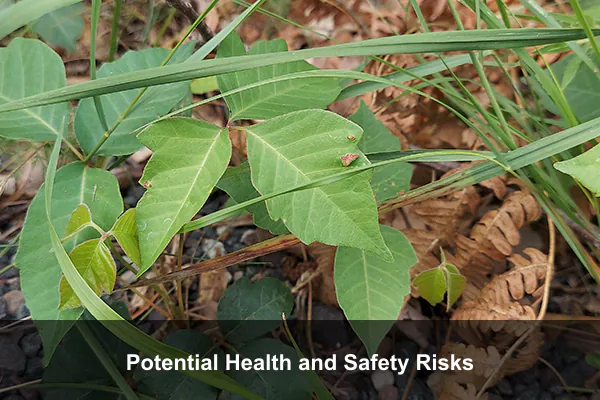
Potential Health and Safety Risks
The same plant world that feeds and heals can also harm when handled carelessly. Risks are real but manageable once you know what to look for.
Key Risks to Keep in Mind
- Toxic species: Many ornamentals (such as oleander, dieffenbachia, and certain lilies) are toxic to humans or pets.
- Allergies and skin reactions: Pollen, latex sap, and essential oils can trigger reactions in sensitive people.
- Contamination: Wild-harvested plants may carry pesticides, pollutants, or look-alike toxic species.
- Drug interactions: Herbs like St. John’s wort, ginkgo, or grapefruit can interfere with prescription medications.
- Unsafe homemade remedies: Strong concentrations, wrong plant parts, or unclear dosing can cause harm.
If you are pregnant, nursing, managing a chronic condition, or giving anything to a child, talk to a qualified healthcare professional before relying on a plant-based remedy.
Common Mistakes People Make With Plants
Most plant-related problems do not come from the plants themselves but from how people interact with them. A few recurring mistakes show up again and again.
Frequent Pitfalls
- Assuming all plants are edible: Many backyard and wild plants are decorative or toxic, not food.
- Trusting viral claims: Social media often exaggerates “miracle” benefits without evidence.
- Overusing herbal products: More is not better; high doses can shift a remedy into a hazard.
- Ignoring growing conditions: Light, water, and soil mismatches make plants weak and more pest-prone.
- Mislabeling plants: Forgetting names or relying on guesswork leads to confusion between safe and unsafe species.
- Mixing ornamental and edible pots: Decorative plants placed near food can be mistaken for kitchen herbs.
How to Choose and Use Plants Wisely
You do not need to be a botanist to use plants responsibly. A simple, consistent approach prevents most mistakes and lets the real benefits shine through.
Smart Selection Tips
- Identify first, use later: Confirm the species through a reputable book, app, or local expert before consuming or applying anything.
- Buy from trusted sources: Established nurseries, certified herbal brands, and known growers reduce contamination risk.
- Start small: A few well-cared-for plants outperform a large collection that is neglected.
- Match plant to environment: Choose species that fit your light, climate, and time budget.
- Label clearly: Use tags or markers, especially when growing edible and ornamental plants nearby.
- Separate kitchen and decor: Keep culinary herbs in a clearly defined area away from toxic ornamentals.
Safe Use Habits
When trying a new herbal tea, edible flower, or homemade preparation, begin with a small amount. Watch for any reaction over the next 24 hours. Keep a short notebook of what worked, what did not, and any side effects—this turns casual use into informed practice.
Quick Takeaway
Plants offer genuine and varied benefits, but those benefits depend on species, preparation, dose, and personal context. The smartest approach is curiosity paired with caution: learn the plant, respect its limits, and treat “natural” as a category that still deserves common sense.
Used wisely, plants can support better meals, calmer routines, friendlier homes, and healthier surroundings. Used carelessly, they can cause irritation, illness, or disappointment. With correct identification, realistic expectations, and a willingness to ask questions, you can enjoy the everyday rewards of plants while keeping the risks firmly in check.
