
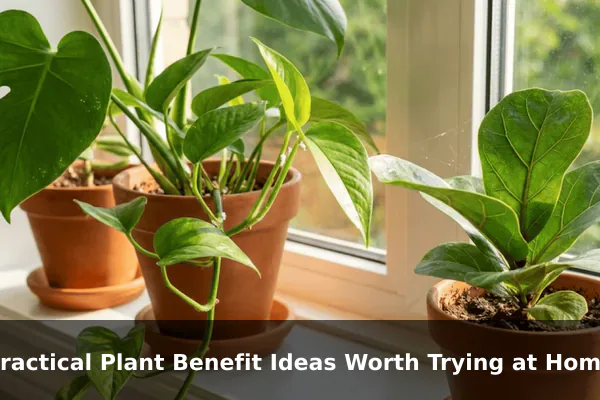
Plants offer more than decoration. In everyday home life, the right plant in the right spot can improve how a room feels, support mental focus, and even save money on fresh cooking herbs. Most of these benefits are accessible with common, affordable plants that require very little effort.
You do not need a large collection or an expert-level green thumb to start. The ideas here focus on practical, low-effort steps that work for renters, small apartments, and busy households alike.
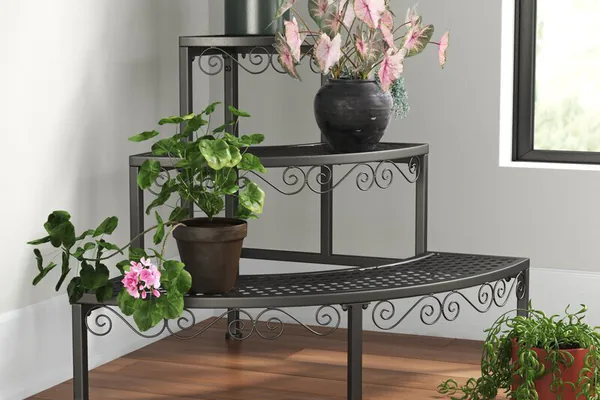
Why Plants Matter in Everyday Spaces
Greenery changes the feel of a room in subtle but noticeable ways. A plant near a window or in a corner adds calm and life that furniture alone cannot provide. Being near plants is widely associated with lower perceived stress and a greater sense of comfort, particularly for people who spend long hours indoors.
Air, Mood, and Visual Comfort
Plants contribute moisture to dry indoor air, which can ease discomfort during heated or air-conditioned months. The visual presence of greenery is also linked to improved mood and reduced fatigue. These effects are most consistent when plants are placed where you spend the most time.
Choose Plants That Match Real-Life Routines
The most important practical plant benefit idea is choosing plants that fit your actual lifestyle. A plant that suits your light conditions and schedule will thrive with minimal attention and deliver consistent results over time.
Low-Effort Options for Busy Homes
- Pothos – grows in low light and forgives irregular watering
- ZZ Plant – thrives on minimal water and indirect light
- Snake Plant – tolerates low light and infrequent care
- Succulents – ideal for bright windowsills with very little watering needed
Match your plant selection to the natural light in your home and how often you can realistically tend to them. Buying difficult plants too early is a common reason people give up on indoor greenery.
Use Plants to Make Work and Rest Areas Feel Better
Placement matters as much as selection. A small plant on a work desk provides a visual rest point during screen-heavy tasks. A calming plant near a reading chair adds mild natural fragrance and supports relaxation without overwhelming the space.
Room-by-Room Placement Ideas
- Home office desk: A compact pothos or small cactus adds greenery without taking up workspace
- Bedroom: A peace lily or snake plant suits low-light corners and contributes to a restful atmosphere
- Living room: A larger plant like a rubber plant anchors the space and adds visual warmth
Grow Useful Herbs for Daily Cooking
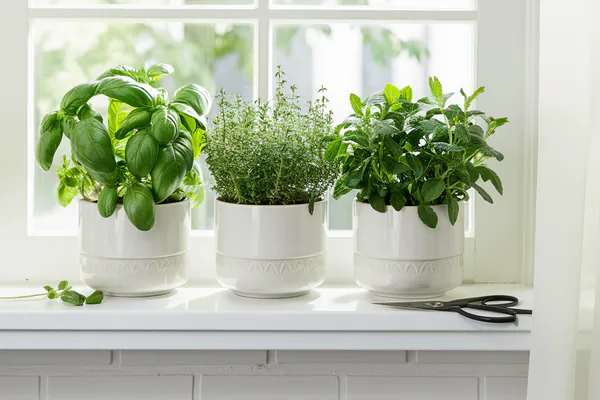
Herbs are among the most practical plant benefit ideas for any home. A few small pots on a sunny windowsill supply fresh basil, mint, rosemary, or chives year-round, improving meal flavor and reducing the cost of packaged store herbs.
Easy Herbs to Start With
- Basil – perfect for pasta, salads, and sauces; needs a sunny window
- Mint – great for teas and drinks; grows quickly in a contained pot
- Rosemary – woody and long-lasting, ideal for a permanent kitchen pot
- Chives – low maintenance and useful with eggs, soups, and dips
Keep herb pots near the kitchen sink or stove where you will notice them during meal prep and remember to water them regularly.
Try Simple Plant Care Habits That Reduce Stress
Caring for plants can itself become a beneficial routine. Weekly watering checks, occasional leaf wiping, and seasonal repotting are low-intensity, hands-on activities that give the mind a focused break from screens and abstract tasks. Even five minutes of tending — removing dead leaves, checking soil, or observing new growth — can function as a reset during a busy day.
Avoid Common Mistakes That Cancel the Benefits
Many plant benefit ideas fail not because of the plants, but because of avoidable habits. Keep these points in mind before expanding your collection:
- Overwatering is the most common cause of plant failure — always check soil moisture before adding water
- Wrong placement puts shade plants in direct sun or sun-loving plants in dark corners
- Buying too many at once leads to neglect; start with two or three manageable plants
- Ignoring drainage causes root rot — always use pots with drainage holes
Start Small With a Home Plant Plan
The most effective way to enjoy plant benefits at home is to begin with a clear, simple plan. Choose two or three plants that match your space and routine. Place them with intention — one on a desk, one in a living area, and one herb pot in the kitchen. Observe how they respond over a few weeks before adding more.
Building gradually keeps the experience enjoyable rather than overwhelming. Plants that are well-placed and properly cared for deliver the most consistent benefits over time. Starting small is not a limitation — it is the most reliable path to a home that genuinely benefits from everyday greenery.
