

People search for plant benefits with very different goals in mind. One reader wants more nutrients from everyday meals, another is looking for a calming evening routine, and someone else simply wants a soothing option for dry skin. Because these needs are not the same, the “best” plant is rarely a single answer. The right choice depends on the exact plant, the form you use, the amount, how it is prepared, and your personal health context.
This comparison is built to help you match plant choices to specific reader needs instead of chasing broad promises. Throughout, the goal is honest, cautious language: some plant benefits are well supported as food, while others are traditional or still being studied. Where claims touch health, it is wise to lean on official sources such as the NIH, FDA, and USDA, and to talk with a qualified professional before making changes.
Why Plant Benefits Are Not One-Size-Fits-All
The same plant can show up as a food, a tea, a concentrated extract, a topical oil, or a capsule on a supplement shelf. Each of these forms changes both the likely benefit and the possible risk. A leafy green eaten in a salad behaves very differently from a concentrated extract of the same plant sold as a supplement.
When comparing plant benefits, it helps to ask four quick questions:
- Which exact plant is it? Common names overlap, so the species matters.
- What form is used? Whole food, tea, extract, oil, or supplement.
- How much and how often? Dose and frequency shape both benefit and risk.
- What is your health context? Pregnancy, medications, and conditions all change the picture.
Best Plants for Everyday Nutrition
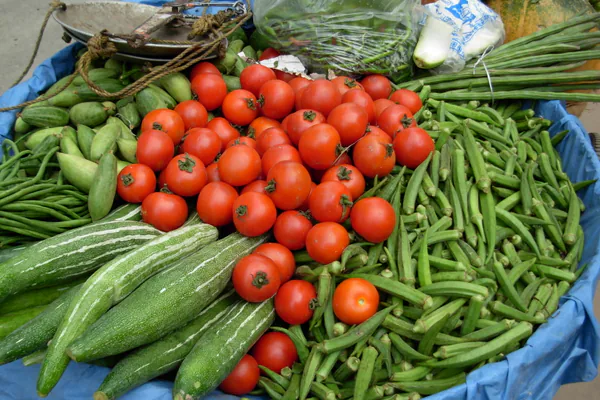
If your goal is everyday nutrition, a food-first approach is usually the strongest and safest. Rather than promising dramatic results, it is more accurate to compare edible plants by their nutrient contributions, which you can check in the USDA FoodData Central database.
Helpful Categories to Compare
- Leafy greens such as spinach and kale, often noted for vitamins and minerals.
- Legumes like beans and lentils, valued for plant protein and fiber.
- Fruits and seeds, which add vitamins, fiber, and healthy fats.
- Culinary herbs, which bring flavor and small nutrient amounts.
For this reader need, the comparison is less about a single “super plant” and more about variety across the week.
Plants Often Chosen for Calm, Sleep, or Stress Routines
Many readers look toward botanicals like chamomile, lavender, or lemon balm for relaxation and sleep routines. These are popular, but the evidence varies from plant to plant, and a calming routine often involves more than the plant itself.
Cautions to Keep in Mind
- Effects can differ by person, product, and preparation.
- Some herbs may interact with medications or affect existing conditions.
- If you are pregnant, nursing, or managing a health issue, check guidance from NCCIH or the NIH Office of Dietary Supplements first.
Treat these plants as part of a routine to explore carefully, not as guaranteed solutions.
Plants for Digestive Comfort and Daily Habits
For digestive comfort, a food-first comparison again tends to be the most dependable. Fiber-rich plants such as whole grains, legumes, fruits, and vegetables support everyday habits and are easy to build into normal meals.
Herbal options like ginger or peppermint are also widely used, but it is important to be clear about the type of claim. Some uses are traditional, some have limited study, and individual results vary. Persistent or severe symptoms are a reason to seek professional advice rather than self-managing with herbs alone.
Plants for Skin, Hair, and Topical Use
Topical needs are a separate category from anything you swallow. Aloe vera gel, plant oils, and botanical extracts are common in skin and hair routines, but a benefit on skin does not imply it is safe to consume.
Practical Safety Tips
- Patch test new products to check for irritation or allergy.
- Choose reputable products, since quality and concentration differ.
- Stop use if redness, itching, or discomfort appears.
- Never assume a topical plant is meant for internal use.
How to Compare Plant Supplements Safely
When a reader’s need points toward supplements, extra caution is essential. According to FDA guidance, dietary supplements are regulated differently from medicines, and labels may carry structure/function claims rather than proof of treating disease.
To compare supplements more safely:
- Read the label and look for the specific plant and amount.
- Remember that “natural” does not automatically mean safe.
- Watch for possible interactions with medications.
- Be skeptical of cure-style promises.
- Talk with a healthcare professional, especially with existing conditions.
Quick Matching Guide by Reader Need
This simplified guide pairs a goal with a sensible starting point and a reminder to stay cautious:
- Everyday nutrition: whole edible plants; compare nutrients via USDA data.
- Calm or sleep: common botanicals; check NCCIH and ODS, mind interactions.
- Digestive comfort: fiber-rich foods first; herbs with realistic expectations.
- Skin and hair: topical aloe and plant oils; patch test and avoid ingestion.
- Supplement route: read labels, check FDA guidance, ask a professional.
A Practical Way to Choose the Right Plant
A simple framework keeps your decision grounded. First, define the exact goal in plain words. Second, confirm the plant’s identity, using a botanical reference like Plants of the World Online from Kew when names are unclear. Third, choose a food-first option whenever it fits your need.
Fourth, check official safety sources for any herb, botanical, or supplement, and note cautions for your situation. Finally, start conservatively, watch how you respond, and involve a healthcare professional for anything medical. With this approach, plant benefit comparisons become less about hype and more about choosing what genuinely fits your needs.
Official references
- National Center for Complementary and Integrative Health – Herbs at a Glance – NIH source for evidence summaries, safety cautions, side effects, and herb-drug interaction context for botanicals.
- NIH Office of Dietary Supplements – Dietary Supplement Fact Sheets – Authoritative fact sheets on vitamins, minerals, herbs, botanicals, and supplement ingredients, useful for comparing claimed benefits and safety considerations.
- FDA – Dietary Supplements – Regulatory anchor for dietary supplement labeling, structure/function claims, safety responsibilities, warnings, recalls, and consumer guidance.
- USDA FoodData Central – Primary U.S. nutrient database for comparing edible plant foods by vitamins, minerals, macronutrients, and other nutrition data.
- Plants of the World Online – Royal Botanic Gardens, Kew – Authoritative botanical reference for plant names, taxonomy, distribution, traits, and uses, helping verify exactly which plant is being discussed.
