
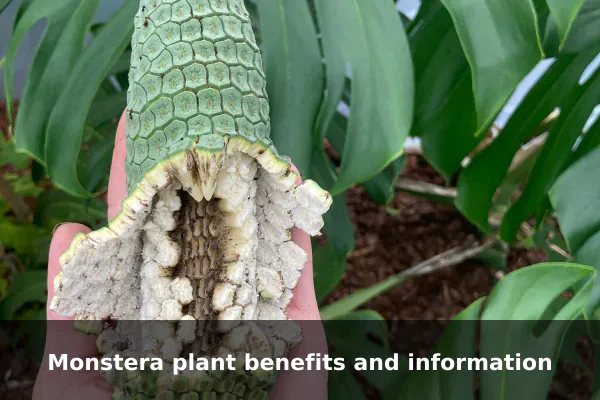
The Monstera plant has become one of the most recognized tropical houseplants in the world. With its bold, split leaves and easy-going nature, it brings a dramatic touch of greenery to any indoor space. Whether you are decorating a living room, a home office, or a small apartment, Monstera fits naturally into almost every setting.
This guide covers everything you need to know about Monstera — from its origins and benefits to common varieties, care basics, and potential challenges. If you are considering adding this iconic plant to your home, read on to find out why so many plant lovers are drawn to it.
What Is a Monstera Plant?
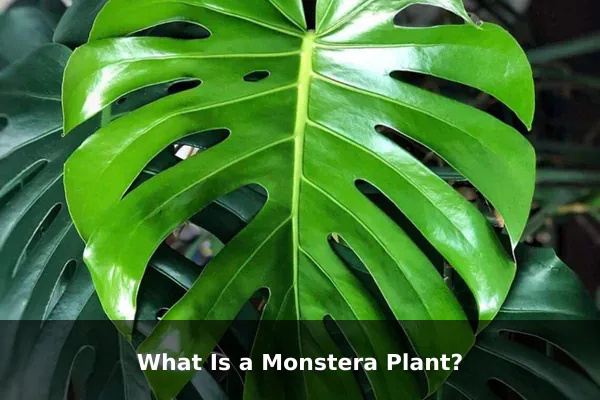
Monstera is a genus of tropical flowering plants in the family Araceae, native to the rainforests of Central and South America. The name comes from the Latin word meaning abnormal or monstrous, referring to the plant’s distinctive fenestrated leaves — leaves with natural holes or deep cuts that give the plant its dramatic appearance.
The most common species is Monstera deliciosa, often called the Swiss Cheese Plant due to its perforated leaf pattern. In the wild, these plants climb trees using aerial roots, sometimes reaching heights of 20 meters or more. As a houseplant, it remains much more compact while retaining all its visual appeal.
Main Benefits of Keeping a Monstera Plant
Monstera is more than a decorative statement piece. It offers a range of practical and aesthetic benefits that make it a top choice for indoor plant enthusiasts.
- Decorative appeal: The large, glossy, split leaves add a bold visual element to any room, making spaces feel alive and stylish with minimal effort.
- Mood and well-being: Research consistently shows that indoor plants help reduce stress, improve focus, and create a calming, restorative atmosphere at home or in the workplace.
- Air quality support: Like most houseplants, Monstera contributes to a fresher indoor environment by absorbing carbon dioxide and releasing oxygen throughout the day.
- Space-filling growth: Its large leaves and upward climbing habit fill empty corners efficiently, making it ideal for styling large or awkward areas in a room.
- Beginner-friendly: Monstera tolerates low light, infrequent watering, and a range of indoor conditions, making it very forgiving for new plant owners.
Popular Monstera Varieties to Know
There are dozens of Monstera species, but a few stand out as particularly popular for home growers.
Monstera Deliciosa
The most widely grown species, featuring large heart-shaped leaves with deep splits and fenestrations. It grows quickly under good conditions and is easy to find in nurseries worldwide. It is the classic choice for bold indoor greenery.
Monstera Adansonii
Known as the Swiss Cheese Vine, this species has smaller leaves with more rounded holes throughout. It is ideal for hanging baskets or trailing along shelves and remains more compact than deliciosa, making it suitable for smaller spaces.
Monstera Thai Constellation
A highly sought-after cultivar with creamy white variegation splashed across its leaves. It grows more slowly than standard deliciosa but is prized for its striking ornamental pattern and collector appeal.
Basic Monstera Plant Care Information
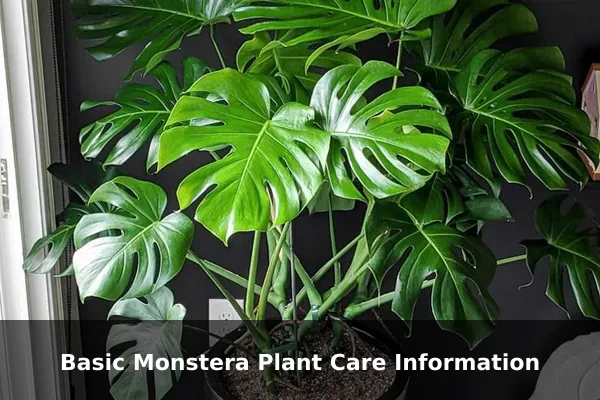
Monstera is relatively easy to care for, but a few simple guidelines will help it thrive and produce its signature split leaves.
Light
Place Monstera in bright, indirect light for the best results. It tolerates medium or lower light but will grow more slowly and produce fewer fenestrations. Avoid placing it in direct harsh sunlight, which can scorch the leaves.
Watering
Water when the top 2–3 cm of soil feels dry to the touch. Overwatering is the most common mistake new owners make — always ensure the pot has drainage holes and never allow the plant to sit in standing water for extended periods.
Humidity and Temperature
Monstera prefers temperatures between 18°C and 27°C and moderate to high humidity. Regular misting or placing a humidifier nearby can encourage faster, healthier growth in drier indoor environments.
Soil and Potting
Use a well-draining potting mix blended with perlite or bark to prevent waterlogging. Repot every one to two years as the plant grows, always choosing a pot only slightly larger than the current one.
Common Problems and How to Prevent Them
Knowing what warning signs to watch for helps you keep your Monstera in peak condition year-round.
- Yellow leaves: Usually caused by overwatering. Reduce watering frequency and verify that drainage is adequate.
- Brown leaf edges: Often a sign of low humidity or underwatering. Increase misting and check soil moisture more regularly.
- Drooping leaves: Can indicate either underwatering or root problems. Check soil moisture first, then inspect the roots.
- No split leaves: Common in very young plants or those in low light. Move to a brighter spot and allow the plant to mature naturally.
- Root rot: Caused by excess water combined with poor drainage. Remove affected roots immediately and repot in fresh, dry soil.
Is Monstera a Good Plant for Indoor Spaces?
For the majority of indoor environments, Monstera is an excellent choice. It adapts well to typical home conditions, grows reliably with minimal attention, and delivers strong visual impact. It suits both complete beginners and experienced plant collectors.
One important caution: Monstera leaves are mildly toxic to cats, dogs, and small children if ingested. High shelves, hanging pots, or rooms with restricted access are recommended in pet- or child-friendly households.
Quick Monstera Facts
- Family: Araceae (Aroid family)
- Native range: Central and South America
- Growth habit: Climbing vine and epiphyte
- Indoor height: Typically 1–3 meters in pots
- Lifespan: Can live for decades with proper care
- Toxicity: Mildly toxic to pets and humans if eaten
- Best for: Beginners, interior decorators, and tropical plant lovers
Monstera is one of those rare plants that combines visual drama with genuine ease of care. Whether you are drawn to its iconic split leaves, its mood-boosting indoor presence, or simply its low-maintenance personality, this tropical beauty consistently delivers. With the right light, consistent watering, and a little room to grow, your Monstera will reward you with lush, stunning foliage for many years to come.
