
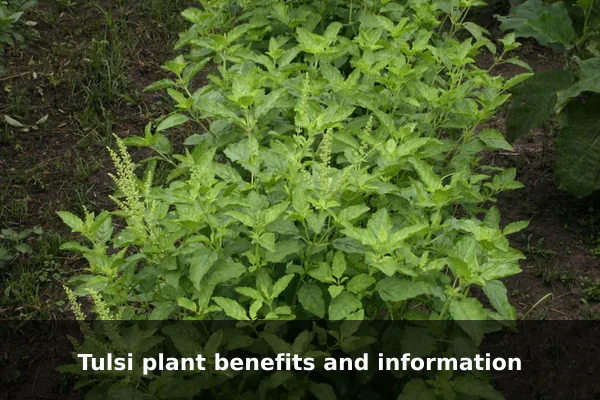
The Tulsi plant, botanically known as Ocimum tenuiflorum (with the widely used synonym Ocimum sanctum), is one of the most respected aromatic herbs in South Asian households, temple gardens, and traditional medicine systems. Often called Holy Basil, Tulsi is cherished for its fragrant leaves, cultural symbolism, and a long history of use in Ayurveda and home remedies.
This guide brings together Tulsi plant benefits and information in a clear, practical way. Wherever health is mentioned, it is framed as traditional use rather than a guaranteed cure. For medical decisions, always speak to a qualified healthcare professional and refer to authoritative sources such as Kew’s Plants of the World Online, NCBI Taxonomy, the National Medicinal Plants Board of India, the Ayurvedic Pharmacopoeia of India, and the WHO monograph on Folium Ocimi Sancti.
What Is the Tulsi Plant?
Tulsi is a small, branching, aromatic herb in the mint family (Lamiaceae). According to Kew’s Plants of the World Online and NCBI Taxonomy, the accepted scientific name is Ocimum tenuiflorum L., with Ocimum sanctum L. listed as a synonym in many botanical and medicinal references.
Common Names and Identity
- English names: Holy Basil, Sacred Basil
- Hindi / Sanskrit: Tulsi, Tulasi
- Family: Lamiaceae
- Native range: Indian subcontinent and tropical Asia, now cultivated worldwide
Appearance and Aroma
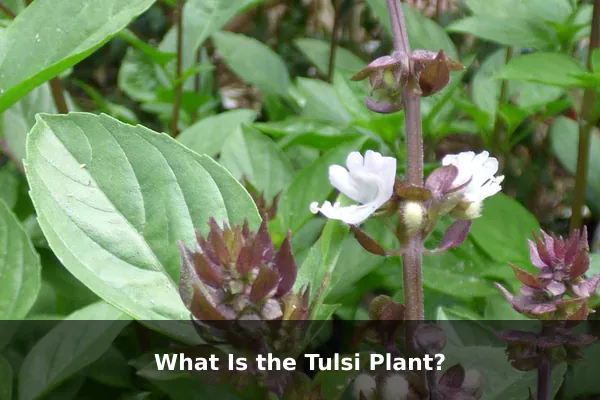
Tulsi grows as a soft-stemmed shrub up to about 30–60 cm tall, with oval, slightly toothed leaves that may be green or purple-tinged depending on the variety. The leaves give off a distinctive clove-like, peppery, sweet aroma when gently rubbed. Small purple to lilac flowers appear on slender spikes.
Traditional Benefits of Tulsi
Tulsi is featured in the Ayurvedic Pharmacopoeia of India and the WHO Monographs on Selected Medicinal Plants (Volume 2), where it is described in the context of traditional and pharmacopoeial uses. These are not blanket promises of cure, but they reflect the herb’s long-standing role in folk and classical medicine.
Commonly Cited Traditional Uses
- Respiratory comfort: Traditionally used for coughs, colds, and mild congestion.
- Digestive support: Used in teas and home remedies to ease mild indigestion.
- Stress and everyday wellness: Often described as an “adaptogen-like” herb in traditional sources, used for general vitality.
- Oral and skin care: Leaves are sometimes chewed or applied in traditional preparations.
Important: Traditional use is not the same as clinical proof. People with chronic conditions should not replace prescribed treatment with Tulsi.
Key Plant Compounds and Why They Matter
Official monographs note that Tulsi leaves contain an aromatic essential oil along with other phytochemicals. Constituents commonly mentioned include eugenol, methyl eugenol, and various terpenes, which contribute to the herb’s clove-like scent and traditional therapeutic reputation. The exact composition can vary by chemotype, region, and growing conditions, which is one reason pharmacopoeial standards exist for quality control.
How Tulsi Is Commonly Used
In everyday households, Tulsi is used in simple, food-grade ways rather than as a concentrated medicine.
Everyday Forms
- Fresh leaves: A few washed leaves added to warm water or honey.
- Tulsi tea: Leaves steeped in hot water, sometimes with ginger, lemon, or black pepper.
- Culinary use: Light flavoring in soups, broths, and herbal infusions.
- Worship and ritual: Tulsi holds deep spiritual significance, especially in Hindu households.
- Garden planting: Grown near doorways and courtyards as a fragrant, symbolic plant.
For any concentrated extract, capsule, or essential oil, follow the product label and consult a qualified practitioner, especially for long-term use.
Growing Tulsi at Home
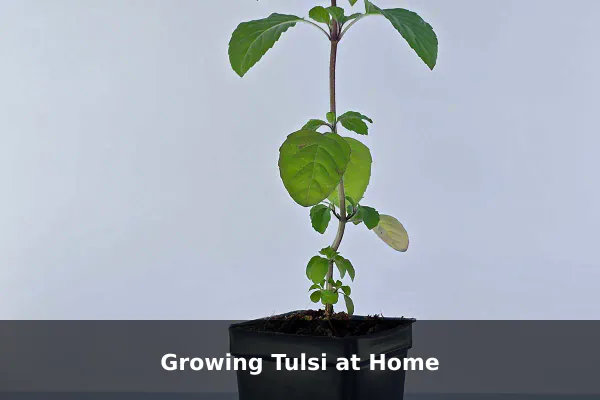
Tulsi is a rewarding plant for warm climates, balconies, and sunny windowsills. It is generally easygoing if given enough light and warmth.
Light and Temperature
- Light: At least 6 hours of direct sunlight per day.
- Temperature: Prefers warm conditions; protect from frost and cold drafts.
Soil, Water, and Pot
- Soil: Light, well-drained potting mix with some compost.
- Watering: Keep soil lightly moist; let the top centimeter dry between waterings to avoid root rot.
- Container: A pot 20–25 cm wide with drainage holes works well.
Pruning and Harvesting
Pinch off flower spikes regularly to encourage bushier leaf growth. Harvest a few leaves at a time from the top, which also keeps the plant compact and productive.
Safety, Precautions, and When to Ask a Professional
Although culinary amounts of Tulsi are generally considered well tolerated, the WHO monograph and similar references advise caution for higher-dose or medicinal preparations.
Be Careful or Seek Advice If You
- Are pregnant or breastfeeding
- Take blood-thinning, diabetes, or thyroid medications
- Have a chronic illness or upcoming surgery
- Have known allergies to plants in the mint family
- Plan to give Tulsi preparations to young children
When in doubt, treat Tulsi as a flavorful, traditional herb in moderate amounts, and consult a qualified healthcare professional before using it therapeutically.
Tulsi at a Glance
- Scientific name: Ocimum tenuiflorum (synonym: Ocimum sanctum)
- Family: Lamiaceae
- Useful part: Mainly the leaves
- Common traditional uses: Respiratory comfort, digestion, general wellness
- Growing needs: Sun, warmth, well-drained soil, moderate water
- Key caution: Not a substitute for medical care; check with a professional for therapeutic use
Conclusion
Tulsi is more than a fragrant herb in a pot. It is a culturally meaningful, easy-to-grow plant with a respected place in traditional medicine and daily home life. By understanding its identity through reliable botanical sources, using it in sensible, food-grade ways, and respecting clear safety boundaries, you can enjoy Tulsi plant benefits and information as part of a balanced, well-informed approach to herbal living.
Official references
- Royal Botanic Gardens, Kew – Plants of the World Online: Ocimum tenuiflorum L. – Authoritative botanical reference for accepted scientific name, synonyms, taxonomy, distribution, and plant identity.
- NCBI Taxonomy – Ocimum tenuiflorum – Useful for verified taxonomy, synonym mapping such as Ocimum sanctum, and scientific database identifiers.
- National Medicinal Plants Board, Ministry of AYUSH, Government of India – Tulsi – Official Indian medicinal plant profile for Tulsi covering plant identity, traditional use, and cultivation context.
- Pharmacopoeia Commission for Indian Medicine & Homoeopathy – Ayurvedic Pharmacopoeia of India – Official pharmacopoeial monograph source for Tulasi/Ocimum tenuiflorum standards, identification, quality, and traditional medical context.
- World Health Organization – WHO Monographs on Selected Medicinal Plants, Volume 2 – International monograph source with pharmacopoeial details, constituents, uses, contraindications, precautions, and safety information for Folium Ocimi Sancti.
