
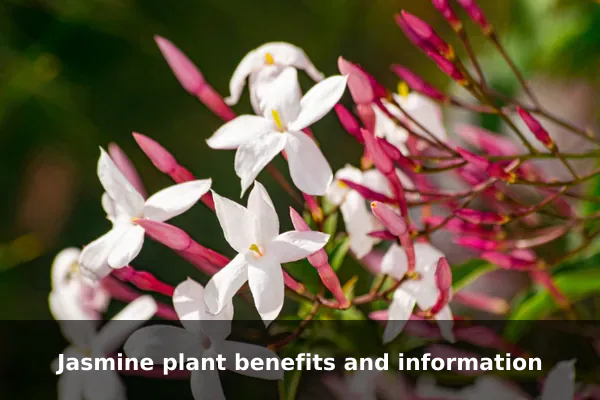
Few garden plants are as instantly recognizable as jasmine. The sweet, almost honeyed fragrance drifting from a sunlit trellis on a warm evening is a sensory signature of gardens across temperate and tropical regions. Beyond perfume, jasmine offers ornamental beauty, pollinator appeal, and a long cultural history in teas, garlands, and traditional flavorings.
This guide focuses on true jasmine, the plants belonging to the genus Jasminum, drawing on authoritative botanical and horticultural sources. You will find practical care tips, popular types, common uses, and careful safety notes so you can decide whether jasmine belongs in your garden or container collection.
What Is a Jasmine Plant?
True jasmine refers to plants in the genus Jasminum, a group within the olive family (Oleaceae) that includes climbers, scramblers, and shrubs. According to Plants of the World Online from the Royal Botanic Gardens, Kew, the genus contains many accepted species distributed widely across temperate and tropical regions of the Old World.
Most cultivated jasmines share a few common traits: opposite or alternate leaves, tubular flowers that flare into star-shaped lobes, and a strong, sweet fragrance that intensifies in the evening for some species. Importantly, several unrelated plants are also called “jasmine” in common usage, including star jasmine (Trachelospermum) and Carolina jessamine (Gelsemium). These are not true jasmines and may have different care needs or safety profiles.
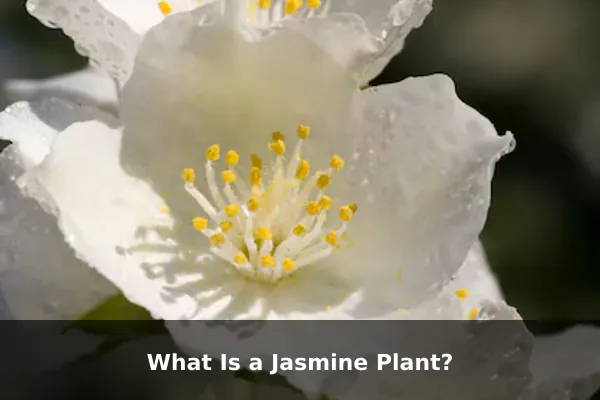
Quick Identification Clues
- Small, often white or yellow tubular flowers with star-like lobes.
- Glossy, sometimes pinnate or simple leaves on twining or arching stems.
- Noticeable fragrance in many, but not all, species.
Key Benefits of Growing Jasmine
Jasmine earns its place in many gardens because it provides several benefits at once. While some online claims exaggerate its medicinal value, the ornamental and sensory benefits are well documented by horticultural sources such as the Royal Horticultural Society and university extension programs.
- Fragrance: Many species produce a sweet, far-reaching scent that perfumes patios and entryways.
- Ornamental flowers: Clusters of starry blooms add long-lasting visual interest during the flowering season.
- Vertical interest: Climbing types cover trellises, pergolas, and fences, softening hard structures.
- Container friendly: Compact cultivars suit pots on balconies and small patios.
- Pollinator appeal: Flowers can attract bees, moths, and other pollinators, depending on species and region.
Popular Jasmine Types for Gardens
Choosing the right species matters because hardiness, flowering time, and growth habit vary widely. The following are widely cultivated true jasmines referenced by RHS and the North Carolina Extension Gardener Plant Toolbox.
Common Jasmine (Jasminum officinale)
A deciduous to semi-evergreen climber valued for clusters of fragrant white summer flowers. It generally thrives in a sunny, sheltered spot with support and is one of the most popular garden jasmines in temperate climates.
Winter Jasmine (Jasminum nudiflorum)
A hardy, scrambling shrub that produces bright yellow flowers on bare stems in late winter. It is not strongly fragrant but is prized for cheerful color when little else is blooming.
Arabian or Sambac Jasmine (Jasminum sambac)
A tender evergreen shrub or twining plant grown widely in warm regions for intensely fragrant white flowers, often associated with traditional garlands and jasmine tea.
How to Grow and Care for Jasmine
Jasmine is generally manageable for home gardeners when matched to the right climate. Specific needs vary by species, so always check labels and local extension guidance.
Light and Position
- Light: Most jasmines flower best in full sun to light shade.
- Shelter: A warm wall or sheltered courtyard helps protect tender species from cold winds.
Soil and Watering
- Soil: Moist but well-drained soil enriched with organic matter suits most species.
- Watering: Keep soil evenly moist during active growth; reduce watering in cooler months. Container plants dry out faster and may need more frequent checks.
Support, Pruning, and Feeding
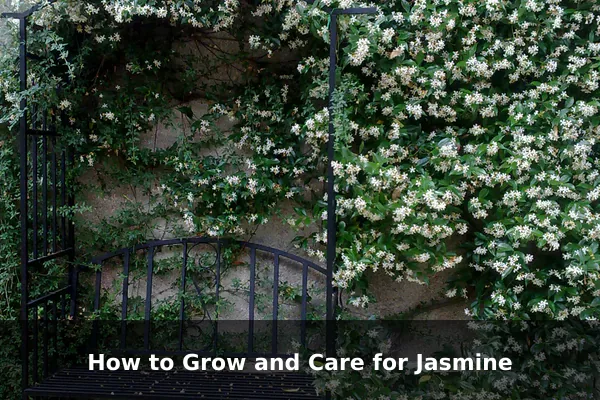
- Support: Climbing types need a trellis, wires, or pergola to twine around.
- Pruning: Prune after flowering to maintain shape and encourage next season’s blooms; timing depends on species, so follow RHS or local extension recommendations.
- Feeding: A balanced fertilizer in spring can support healthy growth, especially in containers.
Jasmine Uses in Fragrance, Tea, and Food Flavoring
Jasmine has a long association with perfumery and traditional beverages. Jasmine absolute, an aromatic extract derived from jasmine flowers, is referenced by the U.S. Food and Drug Administration in its list of substances added to food, where it is recognized in the context of flavoring use. Jasmine tea, popular in many Asian culinary traditions, typically refers to green or other base teas scented with jasmine blossoms rather than tea made from the leaves of the jasmine plant itself.
In gardens and homes, jasmine flowers are also enjoyed simply for their fragrance, used in cut arrangements, floating bowls, or traditional garlands. Commercial perfumery uses concentrated extracts that are very different from a casual whiff of garden blooms.
Safety Notes Before Using Jasmine
Enjoying jasmine in the garden is generally low risk for most people, but using it medicinally or as an essential oil is a different matter. According to the NCBI LactMed database, scientific data on jasmine’s safety during breastfeeding is limited, and topical use on the chest area is often discouraged because infants may ingest residues. General cautions worth keeping in mind include:
- Essential oils are highly concentrated and should be diluted and used according to qualified guidance; they are not the same as the living plant.
- Allergies and skin sensitivity can occur with fragrant flowers and oils.
- Pregnancy and lactation: Consult a qualified healthcare professional before any therapeutic use.
- Plant identification matters: Some look-alikes, such as Gelsemium, are toxic and should never be confused with true jasmine.
This article is for general information and is not medical advice.
Quick Jasmine Plant Facts
- Genus: Jasminum (family Oleaceae).
- Growth forms: Climbers, scramblers, and shrubs.
- Light: Full sun to light shade for best flowering.
- Soil: Moist, well-drained, organically rich.
- Flowering: Varies by species, from winter to summer.
- Pruning: After flowering; species-specific.
- Best uses: Trellises, walls, containers, fragrance gardens.
- Safety reminder: Confirm species and use cautious wording for any health claim.
Is Jasmine Right for Your Garden?
Jasmine is an excellent choice if you want fragrance, vertical interest, and a plant rich in cultural tradition. Before buying, consider your climate, since tender species like Jasminum sambac need warmth, while Jasminum nudiflorum tolerates cold better. Think about space and support: climbers reward trellises and pergolas, while compact shrubs suit containers and small courtyards.
If sweet evening fragrance, soft cascading growth, and seasonal flowers appeal to you, true jasmine can be a long-lived and rewarding garden companion. Pair it with good care, the right species for your zone, and a careful approach to any non-ornamental use, and your jasmine plant can offer years of beauty without overpromising on health benefits it cannot reliably deliver.
Official references
- Royal Botanic Gardens, Kew – Plants of the World Online: Jasminum – Authoritative taxonomy, accepted genus information, native range, and species context for true jasmine plants.
- Royal Horticultural Society – How to grow jasmine – Practical horticultural reference for jasmine care, flowering, pruning, hardiness, and common cultivated species.
- North Carolina Extension Gardener Plant Toolbox – Jasminum – University extension source for botanical description, growing conditions, pest issues, and garden-use facts for the jasmine genus.
- FDA – Substances Added to Food: Jasmine, Absolute (Jasminum spp.) – Regulatory reference for jasmine absolute as a flavoring agent or adjuvant and related GRAS citation context.
- NCBI Bookshelf LactMed – Jasmine – Evidence-focused safety reference for jasmine exposure during lactation, including limitations of available health data and allergy cautions.
