

The Boston fern is one of the most recognizable indoor ferns in the world, prized for its soft, arching fronds and classic Victorian-parlor charm. Botanically known as Nephrolepis exaltata, it has long been a favorite for hanging baskets, shaded porches, and humid corners of the home where many other plants struggle.
This guide focuses on what makes Boston fern genuinely useful as a houseplant: its decorative value, pet-friendly status, humidity-loving nature, and realistic role in greener indoor spaces. Where claims touch on science or safety, the information is framed cautiously and anchored to authoritative horticultural and animal-health sources.
What Is a Boston Fern?
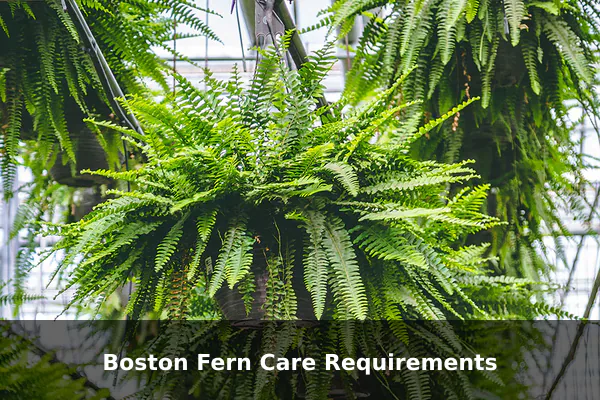
The Boston fern is a cultivated form of Nephrolepis exaltata, a species documented in Kew’s Plants of the World Online with a broad tropical and subtropical distribution. It is an epiphytic or terrestrial fern that develops a fountain-like rosette of pinnate fronds, each frond carrying many small leaflets called pinnae.

Identity and Origin
Although it is associated with cool indoor decor, the species itself originates from warm, humid habitats. University extension profiles, such as the North Carolina Extension Gardener Plant Toolbox, describe it as an evergreen perennial fern commonly grown for its graceful foliage rather than for flowers, since ferns reproduce by spores, not blooms.
Why It Became a Houseplant Classic
Boston fern earned its houseplant status because it tolerates lower light than many tropicals, adapts to indoor temperatures, and looks dramatic in hanging planters. Its cascading habit softens hard architectural lines, making it a favorite for bathrooms, sunrooms, and shaded patios.
Key Benefits of Boston Fern Plants
The strongest benefits of Boston fern are practical and aesthetic rather than medicinal. When grown in suitable conditions, it offers consistent visual interest and a low-risk profile for households with curious pets.
- Lush ornamental foliage: Dense, feathery fronds create a full, layered look with minimal styling effort.
- Excellent for hanging baskets: Its naturally arching habit is ideal for elevated planters and shelves.
- Humidity-friendly companion: It thrives where humidity is naturally higher, such as bathrooms and kitchens.
- Pet-safe profile: Listed by the ASPCA as non-toxic to dogs and cats, which reduces worry in multi-pet homes.
- Softens indoor spaces: Its fine texture contrasts beautifully with broad-leafed houseplants and modern furniture.
Boston Fern and Indoor Air Quality: What the Evidence Really Says
Boston fern often appears on lists of “air-purifying plants,” largely because of the well-known NASA Clean Air Study (NASA Technical Memorandum, 1989). That research tested several houseplants in sealed chambers for their ability to reduce specific volatile organic compounds.
It is important to read those findings carefully. The study was conducted under controlled laboratory conditions, not in typical homes with normal air exchange. Modern reviews suggest that a small number of houseplants is unlikely to meaningfully purify indoor air on its own. A more honest takeaway is:
- Boston fern may contribute modestly to a healthier-feeling indoor environment.
- It should not replace ventilation, filtration, or removing pollution sources.
- Its real, reliable benefits are visual, humidity-friendly, and psychological.
Is Boston Fern Safe for Pets?
According to the ASPCA Animal Poison Control list, Boston fern is classified as non-toxic to cats and dogs. This is a meaningful advantage compared with many popular houseplants that are listed as toxic if chewed.
Even so, general caution is still wise:
- Any plant material can cause mild stomach upset if eaten in large amounts.
- Soil, fertilizers, and pest treatments may not be pet-safe even when the plant itself is.
- Place fronds out of reach of persistent chewers to protect the plant as much as the pet.
Boston Fern Care Requirements
University of Florida IFAS Extension guidance and other horticultural sources agree that Boston fern care revolves around three pillars: light, water, and humidity.
Light
Boston fern prefers bright, indirect light. Filtered light from a north- or east-facing window, or a shaded porch, suits it well. Harsh direct sun can scorch fronds, while very deep shade often produces sparse, weak growth.
Water
Keep the potting mix consistently moist but never waterlogged. Allow the surface to feel just slightly dry before watering again. Use pots with drainage holes and empty saucers so roots do not sit in standing water.
Humidity and Temperature
This fern enjoys humidity levels higher than typical heated or air-conditioned rooms. Group plants together, use a pebble tray, or place it in a naturally humid room such as a bathroom. Comfortable household temperatures, away from cold drafts and hot vents, are ideal.
Common Problems and How to Prevent Them
Most Boston fern issues come down to dry air, watering swings, or sudden environmental change.
- Browning frond tips: Usually low humidity or inconsistent watering.
- Yellowing fronds: Often overwatering, poor drainage, or compacted soil.
- Heavy leaflet drop: Common after moving the plant or during dry winter heating.
- Pests: Watch for scale, mealybugs, and spider mites; treat early with gentle methods.
- Stalled growth: Check for rootbound conditions and insufficient light.
Best Places to Use Boston Fern Indoors and Outdoors
Boston fern is versatile, but it rewards thoughtful placement.
Indoor Ideas
- Bathrooms with frosted or filtered natural light.
- Hanging planters near east-facing windows.
- Tall plant stands in living rooms with bright, indirect light.
Outdoor Ideas
- Shaded porches and patios during warm seasons.
- Under pergolas or tree canopies in frost-free climates.
Climate caution: Boston fern is not frost-hardy. In cooler regions, move it indoors well before nighttime temperatures drop.
Quick Buying and Maintenance Tips
A little care at purchase and during routine maintenance goes a long way toward keeping a Boston fern lush for years.
- Choose a healthy plant: Look for full, springy fronds and no obvious yellowing or pest damage.
- Pick a breathable pot: Plastic retains moisture; terracotta dries faster but suits humid spots.
- Prune tired fronds: Trim brown or spent fronds at the base to encourage fresh growth.
- Rotate the pot: Quarter-turn weekly for even, symmetrical shape.
- Repot when needed: If roots circle the pot or growth stalls, refresh into a slightly larger container.
Conclusion
Boston fern is a timeless houseplant that combines elegant, cascading foliage with a reassuring pet-safe profile and adaptable indoor performance. Its most reliable benefits are decorative beauty, suitability for hanging displays, and comfort in humid corners of the home, while indoor air-quality claims should be kept in cautious perspective.
With bright indirect light, steady moisture, and a humid spot away from harsh sun and cold drafts, a Boston fern can remain a graceful, low-stress companion in your indoor garden for many seasons.
Official references
- Royal Botanic Gardens, Kew – Plants of the World Online: Nephrolepis exaltata – Authoritative taxonomic record for the accepted scientific name, native range, synonyms, and classification of Boston fern.
- North Carolina Extension Gardener Plant Toolbox: Nephrolepis exaltata – University extension profile with practical plant description, growing conditions, traits, cultivars, and non-toxic tags for common pets.
- ASPCA Animal Poison Control: Boston Fern – Primary pet-safety reference listing Boston fern as non-toxic to dogs and cats.
- University of Florida IFAS Extension: Cultural Guidelines for Commercial Production of Boston Fern – Detailed horticultural extension source for Boston fern cultivars, care requirements, light, watering, temperature, and production issues.
- NASA Technical Reports Server: Interior Landscape Plants for Indoor Air Pollution Abatement – Primary NASA technical memorandum behind many houseplant air-purification claims; useful for accurately framing what was tested and under what conditions.
