
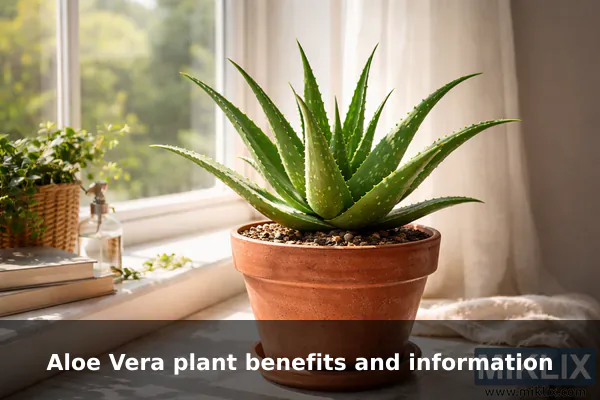
Aloe vera is one of the most recognizable succulents in the world, prized for its thick, fleshy leaves filled with a clear gel that people have used for centuries. Whether it sits on a sunny windowsill or grows wild in dry landscapes, this hardy plant blends practical household value with low-maintenance beauty.
This guide explains what aloe vera actually is, the realistic benefits it offers, how topical use differs from oral use, important safety notes, and how to grow it at home. The aim is to give you trustworthy plant information without overstating medical claims.
What Is Aloe Vera?
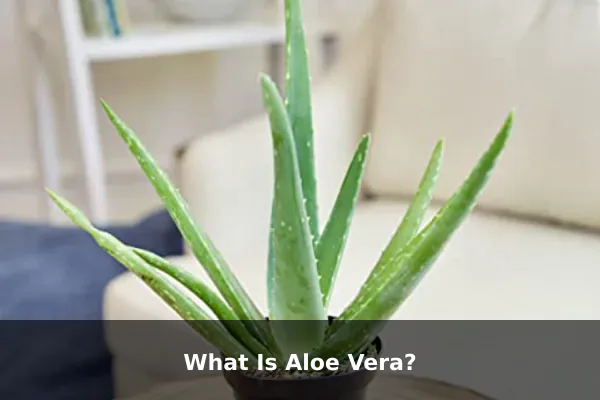
Aloe vera is a stemless or short-stemmed succulent with thick, lance-shaped leaves arranged in a rosette. According to the Royal Botanic Gardens, Kew (Plants of the World Online), its accepted scientific name is Aloe vera (L.) Burm.f., and it has a long list of synonyms, which is why correct identification matters when buying or harvesting plants.
Botanical Identity
- Family: Asphodelaceae
- Growth habit: Evergreen succulent, typically 60–100 cm tall
- Useful part: Inner leaf gel (mucilaginous parenchyma tissue)
- Other component: A yellow latex layer just under the leaf skin, which is chemically different from the gel
Several aloe species look similar but are not interchangeable. Buying a plant labeled with the correct scientific name helps ensure you are working with true aloe vera rather than a decorative look-alike.
Key Aloe Vera Plant Benefits
Aloe vera is best known as a household first-aid plant. While many traditional claims circulate online, current evidence from the U.S. National Center for Complementary and Integrative Health (NCCIH) suggests that benefits are most credible for certain topical uses, while many oral health claims are not well established.
Commonly Discussed Uses
- Soothing minor skin irritation: The cool gel is widely used on small burns, sunburn, and dry skin, though evidence for healing speed is mixed.
- Skin moisture support: Aloe gel is a common ingredient in moisturizers and after-sun products because of its high water content.
- Ornamental and air-friendly houseplant: It tolerates neglect and brightens indoor spaces.
It is best to think of aloe vera as a supportive plant rather than a cure. For any persistent skin condition, wound, or medical issue, a qualified healthcare professional should be consulted.
Topical Gel vs. Oral Aloe Products
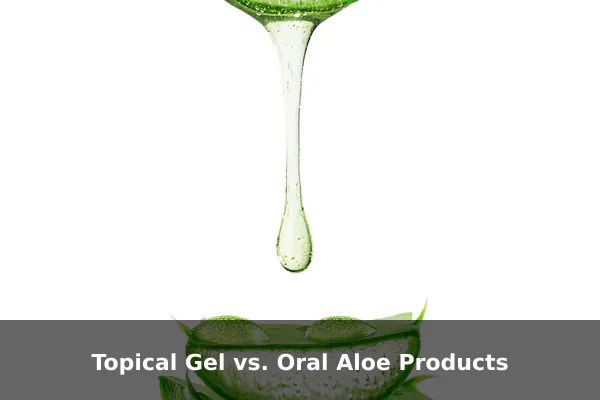
One of the most important distinctions in aloe vera information is the difference between topical gel and oral products, because they carry very different safety profiles.
Topical Gel
The clear inner gel applied to intact skin is generally considered low risk for most people, aside from possible allergic reactions. This is the most common household use.
Oral Aloe Products
Oral products may contain decolorized inner-leaf gel, whole-leaf extract, or aloe latex (also called aloe juice or aloin-containing material). The U.S. Food and Drug Administration removed aloe latex from approved over-the-counter laxative products because manufacturers did not provide the safety data needed to support that use. The International Agency for Research on Cancer (IARC) has also evaluated whole-leaf extract of aloe vera in its monograph program, reflecting the importance of distinguishing product types.
Safety Notes Before Using Aloe Vera
Aloe vera is generally well tolerated when used sensibly on the skin, but several cautions are worth knowing. Information here is summarized from NCCIH and the National Institute of Environmental Health Sciences (NIEHS).
- Allergy risk: Some people develop contact dermatitis. Test a small area first.
- Broken or severely damaged skin: Avoid self-treating deep wounds, surgical wounds, or serious burns with raw plant gel.
- Oral use caution: Drinking unprocessed aloe juice or whole-leaf preparations may cause digestive upset, electrolyte issues, or other concerns, especially with long-term use.
- Pregnancy, breastfeeding, and children: Talk to a healthcare provider before oral use.
- Medication interactions: Aloe latex can affect how some medications work; check with a pharmacist if you take prescription drugs.
If you are unsure whether aloe vera is appropriate for your situation, ask a qualified medical professional rather than relying on social media advice.
How to Grow and Harvest Aloe Vera at Home
Aloe vera is an excellent beginner-friendly succulent. With a few basics, it can thrive for years indoors or in warm climates outdoors.
Care Basics
- Light: Bright, indirect light or a few hours of gentle direct sun.
- Soil: A well-draining cactus or succulent mix.
- Pot: A container with drainage holes; terracotta works well.
- Watering: Water deeply, then let the soil dry out fully before watering again. Overwatering is the most common cause of failure.
- Temperature: Comfortable room temperatures; protect from frost.
Harvesting Fresh Gel
- Choose a mature outer leaf and cut it close to the base with a clean knife.
- Let the yellow latex drain from the cut end for several minutes; this part is not for skin or oral use.
- Rinse the leaf, slice off the skin, and scoop out the clear inner gel.
- Use fresh gel quickly, or refrigerate briefly in a clean container to limit contamination.
Quick Aloe Vera Facts
- Plant type: Evergreen succulent
- Scientific name: Aloe vera (L.) Burm.f.
- Useful part: Clear inner leaf gel
- Common uses: Topical skin soothing, moisturizer ingredient, ornamental houseplant
- Care difficulty: Easy; tolerates neglect better than overwatering
- Main safety reminder: Topical gel and oral aloe products are not the same; oral use carries added risk
Conclusion
Aloe vera is a genuinely useful plant: easy to grow, attractive on a shelf, and helpful for minor skin care when used carefully. The most realistic way to enjoy it is as a supportive household succulent rather than a replacement for medical care, keeping a clear line between topical gel use and any oral product. With bright light, restrained watering, and respect for its safety considerations, a single aloe vera plant can quietly serve a home for many years.
Official references
- National Center for Complementary and Integrative Health – Aloe Vera: Usefulness and Safety – Authoritative U.S. government overview of aloe vera health claims, evidence limits, safety issues, and oral versus topical use.
- National Institute of Environmental Health Sciences – Aloe Vera – Primary toxicology-focused source for aloe vera safety concerns, including whole-leaf extract and aloin-related risk context.
- U.S. Food and Drug Administration – Rulemaking History for OTC Laxative Drug Products – Primary regulatory source for aloe latex/stimulant laxative status in over-the-counter drug products.
- IARC Monographs – List of Classifications – Official IARC/WHO classification source for aloe vera whole leaf extract carcinogenic hazard context.
- Royal Botanic Gardens, Kew – Plants of the World Online: Aloe vera – Authoritative botanical taxonomy source for accepted scientific name, synonyms, distribution, and plant identity.
