
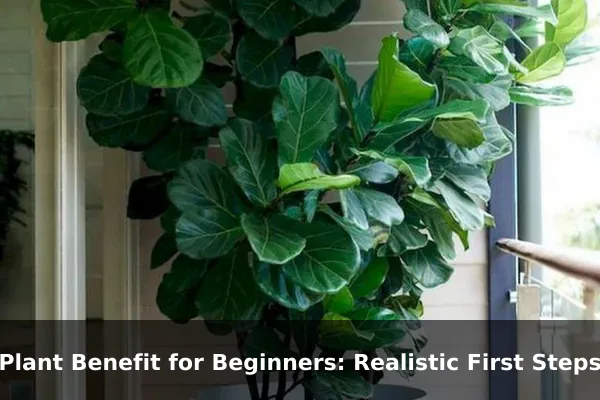
Many beginners are drawn to plants because they want a calmer space, a more natural home, or simply something living on their desk. But between the watering schedules, light requirements, and the fear of killing something before the first month is up, the whole thing can feel overwhelming before it even starts.
The good news is that you do not need a green thumb or a perfectly arranged plant corner to begin experiencing real plant benefits. This guide focuses on practical, pressure-free first steps that work for beginners starting from scratch.
What Plant Benefits Actually Look Like for Beginners
For beginners, plant benefits are more subtle than many articles suggest. You are unlikely to transform your indoor air quality with one small plant on a shelf. But there are genuine, everyday benefits worth knowing about before you begin.
The most realistic beginner-level benefits include:
- Improved mood from having something living and green in your space
- A small sense of routine that comes from checking on a plant regularly
- Visual calm — green tones are naturally restful to look at
- Quiet confidence when a plant survives, grows, and responds to your care
Setting realistic expectations early prevents disappointment and helps you stick with the habit long enough to see real results.
Start With One Easy Plant, Not a Collection
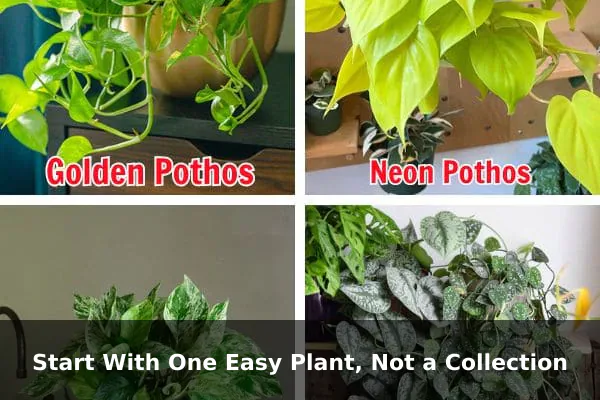
The most common beginner mistake is buying too many plants at once. Scattered attention leads to forgotten watering and several dead plants within a month. Start with one, and let it teach you the basics.
These plants are reliably forgiving for first-time owners:
- Pothos — tolerates low light and irregular watering without complaint
- Snake plant — extremely drought-tolerant, ideal for forgetful owners
- ZZ plant — thrives on neglect and handles low light well
- Spider plant — fast-growing, forgiving, and safe around pets
One plant, cared for consistently, teaches you more than five plants ignored. When it is alive and stable after four to six weeks, you will feel ready to add a second.
Set Up a Beginner-Friendly Spot at Home
Placement removes most of the guesswork in early plant care. The right spot reduces problems before they start.
Light Awareness
Most beginner-friendly plants prefer indirect light. A spot near a window but out of direct afternoon sun works well for pothos, ZZ plants, and snake plants. Avoid corners with no natural light source at all — even low-light plants need some brightness to stay healthy.
Visibility and Habit
Place your plant somewhere you pass every day — a desk, kitchen counter, or bedside table. Out of sight genuinely means out of mind, especially in the first few weeks when watering habits are not yet established.
Airflow and Temperature
Keep plants away from air conditioning vents and heaters. Stable room temperature and gentle air movement are better than extremes in either direction for most common indoor plants.
The Simplest Care Routine That Works
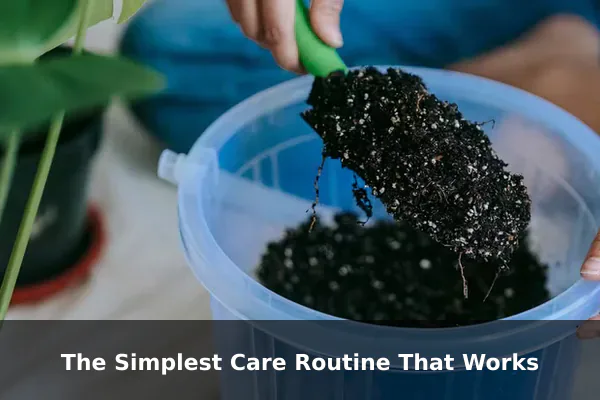
Beginners often overcomplicate plant care. Here is a routine that covers almost everything without requiring special tools or a strict schedule:
- Check soil twice a week — press a finger about an inch into the soil and water only when it feels dry at that depth
- Wipe leaves once a month — a damp cloth removes dust and helps the plant absorb light more efficiently
- Rotate the pot every two weeks — a quarter turn ensures all sides get even light exposure
- Watch the leaves — yellow leaves often signal overwatering; brown, crispy tips suggest underwatering or low humidity
No fertilizers, grow lights, or humidity gauges are needed in the first few months. Observation is your most useful tool.
Common Beginner Mistakes and Easy Fixes
Overwatering
This is the single most common plant killer. Wet soil with no drainage leads to root rot quickly. Always check the soil before watering, and make sure the pot has drainage holes at the bottom.
Wrong Location
A plant that looks droopy or pale indoors is often asking for more light. Before assuming it is dying, move it closer to a window for one week and observe the difference before taking other action.
Expecting Fast Growth
Snake plants and ZZ plants are naturally slow growers. A new leaf every few weeks is healthy, normal progress. Lack of visible growth does not mean the plant is failing.
How to Build the Habit Without Losing Interest
Consistent plant care does not require willpower — it requires connecting care to habits you already have. Try these simple approaches:
- Pair your plant check with morning coffee or an evening wind-down routine
- Take a photo once a week to track slow progress over time
- Notice small changes — a new leaf, a taller stem, or brighter color
- Add a second plant only when the first feels easy, not stressful
Progress in plant care is quiet and gradual. Noticing small wins is what keeps beginners going past the first month.
A Realistic First-Week Action Plan
Use this simple checklist for your first seven days as a plant owner:
- Day 1: Buy one beginner plant and a pot with drainage holes
- Day 1: Choose a visible, well-lit spot in your home
- Day 2: Check the soil and water only if dry
- Days 3–5: Observe the plant without doing anything extra
- Day 6: Wipe one or two leaves with a damp cloth
- Day 7: Note any changes in leaf color, posture, or new growth
Seven days of low-intervention care teaches you more about your specific plant than any article can. By the end of the first week, you will know its baseline behavior and feel more prepared for the weeks ahead.
Starting with plants does not require perfection, expensive tools, or a home full of greenery. It starts with one plant, one good spot, and a simple habit of checking in. The benefits — calmer surroundings, a small daily routine, and the quiet satisfaction of keeping something alive — become clear once the pressure to do everything right is removed. Begin small, stay consistent, and let the results build naturally from there.
