
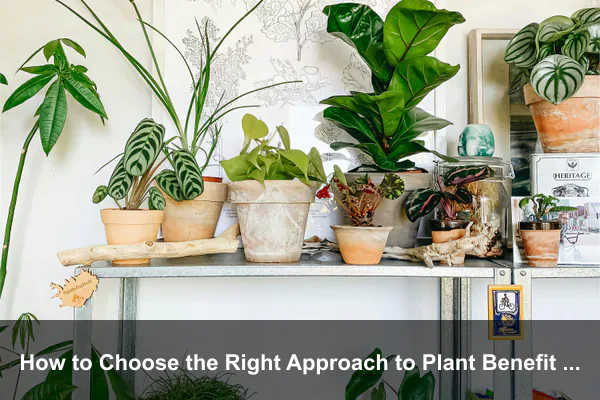
Plants can do many things for your home and life, but no single species delivers every benefit at once. Air purification, stress relief, fresh herbs, shade, and decorative beauty all come from very different plants with very different needs. Choosing the right approach starts with defining what you actually want before you shop, plant, or invest time in care.
This guide walks you through a simple decision process for matching plant benefits to personal goals. Instead of buying whatever looks trendy, you will learn how to evaluate your space, lifestyle, and expectations so the plants you bring home truly deliver value.
Define the Goal You Want Plants to Support
Before picking a species, name the main reason you want a plant. A clear goal narrows hundreds of options into a manageable shortlist and prevents disappointment later.
Common Plant Goals
- Aesthetics: decorative foliage, color, or sculptural shape for interior design.
- Air freshness: greenery that supports a cleaner-feeling indoor environment.
- Food production: herbs, vegetables, or fruit you can harvest.
- Wellness: scent, calming routines, or focal points for mindfulness.
- Outdoor function: shade, privacy screening, or pollinator support.
- Low effort: resilient companions that survive a busy schedule.
Write your top one or two goals down. If you try to chase all six at once, you will likely end up with mismatched plants competing for the same space.

Match Plant Types With Practical Benefits
Once your goal is clear, align it with a plant category rather than a single species. Categories share growing requirements and benefit profiles.
Quick Matching Guide
- Indoor foliage (philodendron-like vines, broad-leaved tropicals) suits decor and gentle humidity boosts.
- Culinary herbs (basil, mint, parsley) deliver food value and fragrance in compact pots.
- Flowering plants add seasonal color and attract pollinators outdoors.
- Vegetable crops reward larger spaces with measurable harvests.
- Trees and shrubs provide shade, privacy, and long-term structure outdoors.
- Native species support biodiversity with minimal water and fertilizer.
Choose the category that overlaps with your goal first, then drill down to specific species that fit your climate zone.
Consider Your Space, Light, and Time
The most beautiful plant on the shelf becomes a problem if it cannot survive your conditions. Audit three resources before buying.
Light
Observe each room for a full day. South- and west-facing windows offer bright direct light suitable for herbs and many flowering plants. North-facing rooms or interior corners require low-light tolerant species. Outdoor spots vary by season, so note shadows from buildings and trees.
Space
Measure horizontal and vertical room. A floor plant needs growing height; a windowsill herb needs only a small pot. Apartments often benefit from hanging or wall-mounted planters that use unused vertical area.
Time and Skill
Be honest about availability. If you travel often or forget watering, choose drought-tolerant categories. If you enjoy daily rituals, more demanding species become rewarding rather than stressful.
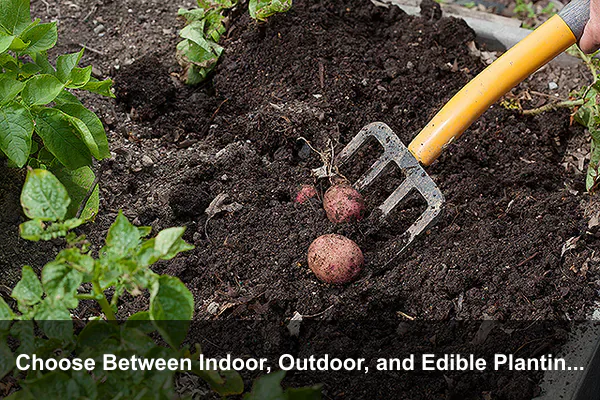
Choose Between Indoor, Outdoor, and Edible Planting
Each approach has trade-offs in cost, care, and payoff.
Indoor Planting
Best for renters, small homes, and year-round decor. Costs stay low per plant, visual impact is immediate, but growth is slower and yields from edibles are modest.
Outdoor Planting
Better for shade, biodiversity, and large-scale beauty. Requires yard access, weather-resistant species, and seasonal maintenance. Long-term return is high when trees mature.
Edible Planting
Offers tangible food savings and freshness. Works in pots, balconies, or beds, but demands consistent watering, sunlight of at least six hours for most crops, and pest awareness.
Many readers blend all three: a few low-light foliage plants inside, a pollinator bed outside, and a small herb pot on the kitchen windowsill.
Avoid Overstated Plant Benefit Claims
Marketing often inflates what plants can do. Stay grounded so your expectations match reality.
- Air purification: houseplants improve perceived air quality and humidity, but you would need dozens per room to match a mechanical purifier. Treat the benefit as supportive, not a substitute.
- Health cures: some plants have culinary or aromatic value, yet none replace medical care. Verify any herbal use with reliable sources.
- Productivity: greenery in a workspace can reduce visual fatigue and lift mood, though results vary by person and setup.
- Pest control: a single citronella pot will not clear a yard of mosquitoes; expect modest, localized effects.
Realistic expectations protect both your wallet and your enjoyment. The everyday wins—color, calm, a sprig of fresh basil—are reason enough.
Build a Simple Plant Benefit Plan
Turn your goal into action with a short, repeatable plan.
- Pick two or three plants that match your top goal and conditions. Starting small prevents overwhelm.
- Group by care needs so watering and light routines stay simple.
- Set a check-in schedule. A weekly two-minute look catches early problems with leaves, soil moisture, and pests.
- Track results for one season. Note which plants thrive, which struggle, and which truly support your goal.
- Adjust and expand. Replace underperformers with proven species before adding new categories.
This cycle turns plant ownership into a learning process rather than a guessing game.
Final Tips for Choosing With Confidence
Before you buy your next plant, run through this short checklist:
- Is the goal clearly named?
- Does the plant category match that goal?
- Do your light, space, and time realistically support it?
- Are your expectations grounded in proven benefits?
- Is the plan small enough to succeed in the first season?
Choosing plants well is less about trends and more about alignment. When the species, the setting, and your lifestyle line up, the benefits arrive naturally—cleaner-feeling rooms, a calmer mood, fresh ingredients, or a more inviting garden. Start with one clear goal, pick two or three suitable plants, and let small successes guide your next choices. Confidence grows alongside the leaves.
