
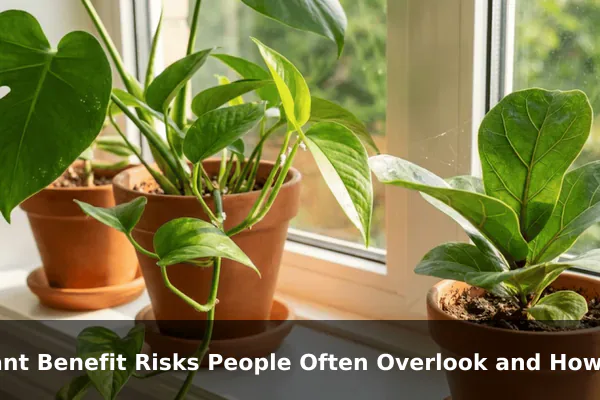
Plants bring real benefits to homes and gardens, from cleaner-feeling rooms and calmer moods to fresh herbs, shade, and beauty. Yet the same plants that support wellbeing can also create overlooked risks when their leaves, sap, pollen, or growing conditions are handled without caution. Many people assume that natural automatically means harmless, which is not always true.
This guide takes a balanced, safety-focused look at the plant benefit risks people most often miss, and the practical steps you can take to reduce them. The aim is not to scare you away from plants, but to help you enjoy them more confidently using cautious, widely accepted health and safety guidance from sources such as the FDA, CDC NIOSH, EPA, and Poison Control.
Why Beneficial Plants Can Still Carry Hidden Risks
Plant benefits and plant risks can coexist in the same species. A pretty ornamental can be toxic if chewed. A fragrant herb can trigger skin irritation. A lush indoor plant can quietly raise humidity and feed mold if it is overwatered. The risks are easy to miss because they often come from specific plant parts, contact exposure, or indoor conditions rather than the plant as a whole.
Common reasons risks get overlooked
- Assuming popular or decorative plants are automatically safe for children and pets.
- Confusing similar-looking edible and inedible species.
- Ignoring sap, dust, or pollen because the plant looks healthy.
- Underestimating how indoor moisture, soil, and airflow affect sensitive people.

Risk 1: Toxic Leaves, Seeds, Berries, and Bulbs
One of the most overlooked risks is ingestion of plant parts that look harmless. Children may taste bright berries, pets may chew leaves, and adults sometimes misidentify wild or foraged plants. According to general guidance from Poison Control and the FDA Poisonous Plant Database, many common houseplants and garden species contain compounds that can irritate the mouth, stomach, or, in some cases, cause more serious effects.
Practical ways to reduce ingestion risk
- Identify every plant before bringing it home, especially if you have small children or pets.
- Keep tempting berries, bulbs, and seeds out of reach or behind barriers.
- Never assume a plant is edible because animals eat it.
- If ingestion is suspected, contact a poison control service rather than guessing or inducing vomiting.
Risk 2: Skin Reactions from Sap, Oils, and Plant Contact
Skin exposure is another commonly underestimated risk. Plants such as poison ivy, poison oak, and poison sumac contain oils that can cause itchy rashes after even brief contact, and the oils may stick to tools, gloves, clothing, or pet fur. The FDA and CDC NIOSH both highlight that indirect contact is a frequent cause of reactions people did not expect.
Many ornamental and garden plants also have irritating sap that can sting skin or eyes, particularly when pruning. Sensitive individuals may develop reactions even from species generally considered mild.
Lower-risk handling habits
- Wear long sleeves and sturdy gloves when pruning unfamiliar plants.
- Wash tools, gloves, and exposed skin with soap and water after garden work.
- Avoid touching your eyes or face while handling plants.
- Rinse any sap off skin quickly and watch for delayed reactions.
Risk 3: Indoor Plants, Moisture, Mold, and Breathing Sensitivity
Indoor plants are often promoted only for their benefits, yet the U.S. EPA notes that biological contaminants such as mold, bacteria, pollen, and damp organic material can affect indoor air quality and trigger respiratory symptoms in sensitive people. Overwatered soil, decaying leaves, and crowded plant corners can quietly create conditions that encourage these contaminants.
Signs your indoor plants may be adding hidden risk
- White, fuzzy, or dark patches on soil surfaces.
- Persistent musty smells near plant groupings.
- Standing water in saucers or decorative pots.
- Increased sneezing, coughing, or eye irritation around certain rooms.
To reduce these risks, water only when the plant truly needs it, empty saucers, ensure good airflow, remove dead leaves promptly, and avoid clustering many plants in poorly ventilated bedrooms if anyone in the household has asthma or allergies.
Risk 4: Burning, Composting, or Handling Plants the Wrong Way
Some plant risks appear only during disposal or maintenance. CDC NIOSH guidance specifically warns against burning poison ivy, oak, or sumac because the smoke can carry irritating compounds that may seriously affect the lungs and eyes. Dusty dried plants, moldy compost piles, and contaminated yard waste can also expose people to allergens and irritants they did not anticipate.
Safer disposal and maintenance habits
- Never burn unidentified or known toxic plants.
- Bag and discard problem plants according to local yard waste rules.
- Turn and moisten compost properly to limit dust and mold spores.
- Use a dust mask when handling very dry plant debris or working in dense, dusty foliage.
How to Reduce Plant Benefit Risks at Home and in the Garden
You do not need to give up the joys of growing plants to stay safer. A few consistent habits can sharply reduce most overlooked risks while keeping the benefits intact.
A practical, cautious checklist
- Identify before you plant. Know the species, its toxic parts, and any known irritants.
- Label risky species in shared spaces so family members and guests are aware.
- Separate plants from young children and curious pets using shelves, rooms, or fencing.
- Wear gloves and eye protection for pruning, repotting, and yard cleanup.
- Wash hands, tools, and clothing after working with unfamiliar plants.
- Control moisture indoors to limit mold and biological contaminants.
- Keep emergency numbers handy, including your regional poison control service.
When to Get Help Instead of Guessing
Some situations need professional input rather than home remedies. Contact a poison control service or seek medical attention if someone has swallowed an unknown plant, is showing breathing trouble, has a spreading or severe rash, has plant material in the eyes, or if you simply cannot confirm the plant’s identity. Bring a photo or a sample of the plant if it is safe to handle.
Avoid giving improvised treatments such as random home antidotes, and do not delay care while searching for the plant name online. Trained responders can offer guidance based on symptoms and likely exposure.
Conclusion: Enjoy Plant Benefits With Eyes Open
Plants remain one of the simplest ways to improve a home, a garden, and daily wellbeing. The overlooked risks are real, but they are manageable with cautious habits: correct identification, careful handling, controlled indoor conditions, sensible disposal, and knowing when to call for help. By treating plants with the same everyday respect you give to any useful household item, you can keep the benefits front and center while keeping the avoidable harms quietly out of the way.
Official references
- FDA Poisonous Plant Database – Official FDA reference point for scientific literature on toxic properties and effects of plants and plant parts.
- FDA Consumer Updates: Outsmarting Poison Ivy and Other Poisonous Plants – Useful for prevention, symptoms, and treatment guidance for poison ivy, oak, and sumac exposure.
- CDC NIOSH: Protecting Yourself from Poisonous Plants – Authoritative occupational safety guidance on plant contact, indirect exposure, inhalation risk from burning plants, PPE, and first aid.
- U.S. EPA: Biological Contaminants and Indoor Air Quality – Supports discussion of overlooked indoor risks related to pollen, mold, moisture, and respiratory sensitivity.
- Poison Control: Poisonous and Non-Poisonous Plants – Primary poison-control guidance for plant ingestion risks, emergency triage, and practical prevention advice.
