
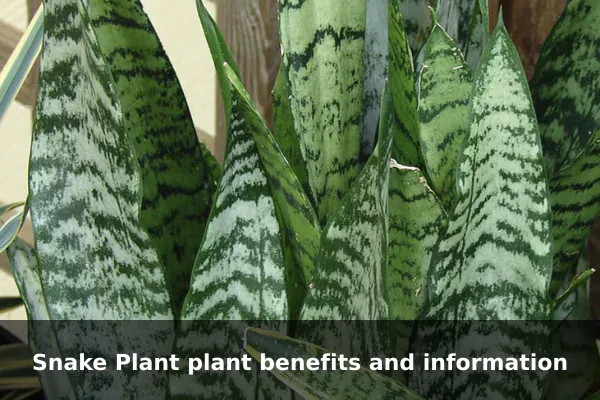
The snake plant is one of the most recognizable houseplants in the world, prized for its bold upright leaves, easy care, and ability to thrive in less-than-perfect indoor conditions. Whether you are a first-time plant owner or a seasoned collector, it offers a reliable mix of beauty and resilience that few other houseplants can match.
This guide explains what a snake plant actually is, the realistic benefits it brings to your home, how to care for it properly, and what to know about its safety for pets and people. We will also look honestly at the popular air-purifying claims and what current science really supports.
What Is a Snake Plant?
The snake plant is now botanically accepted as Dracaena trifasciata, although many gardeners and sellers still use the older synonym Sansevieria trifasciata. According to the Royal Botanic Gardens, Kew (Plants of the World Online), the genus was reclassified, but the plant itself remains the same familiar species.
Common names include mother-in-law’s tongue, viper’s bowstring hemp, and Saint George’s sword. It produces stiff, sword-shaped leaves that grow vertically from a rhizome, often with green banding and yellow margins, depending on the cultivar.
Why It Is So Popular Indoors
- Tolerates low to bright indirect light
- Survives irregular watering
- Compact footprint, ideal for small spaces
- Long-lived with minimal effort

Key Benefits of Snake Plant Indoors
The most reliable benefits of a snake plant are practical and aesthetic rather than medicinal. Its strong vertical lines add architectural interest to shelves, corners, and entryways, and the foliage stays attractive year-round without flowering cycles to manage.
- Low maintenance: Forgiving of missed waterings and inconsistent light.
- Space-efficient: Grows upward rather than outward, ideal for apartments.
- Beginner-friendly: Hard to kill if you avoid overwatering.
- Decorative versatility: Fits modern, tropical, and minimalist interiors.
- Drought tolerant: Stores water in its thick, succulent-like leaves.
The Truth About Air-Purifying Claims
Snake plants are frequently marketed as powerful air purifiers, a claim that traces back to a 1989 NASA study (Interior Landscape Plants for Indoor Air Pollution Abatement) which tested houseplants in sealed chambers for their ability to remove certain volatile organic compounds.
However, the U.S. Environmental Protection Agency (EPA) cautions that ordinary numbers of houseplants in a typical home or office do not significantly remove indoor air pollutants under real-world conditions. The original NASA results do not scale neatly to a ventilated living room.
What Actually Improves Indoor Air
The EPA recommends a three-part approach to indoor air quality:
- Source control — reduce or remove pollutant sources.
- Ventilation — bring in outdoor air through windows or HVAC.
- Filtration — use a quality air filter when appropriate.
Enjoy your snake plant for its beauty and easy care, and treat any air-cleaning effect as a small bonus, not a primary strategy.
Basic Snake Plant Care
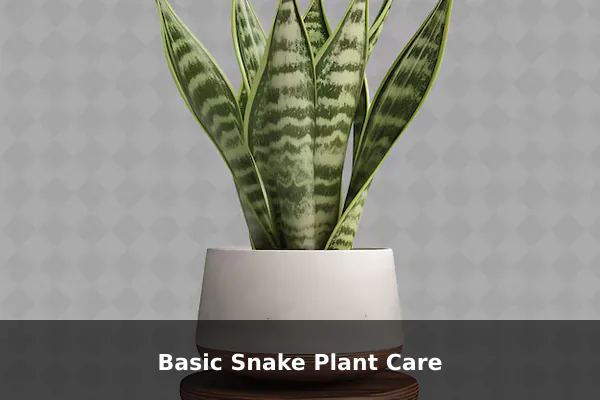
Snake plants are forgiving, but a few simple habits will keep them looking their best. The North Carolina Extension Gardener Plant Toolbox and similar horticultural resources offer consistent guidance.
Light
Bright, indirect light is ideal. They tolerate low light but grow slowly and may lose variegation. A few hours of gentle morning sun is welcome; harsh afternoon sun can scorch leaves.
Watering
Allow the soil to dry out almost completely between waterings. In most homes, this means watering every 2-4 weeks, and even less in winter. Overwatering is the number one killer of snake plants.
Soil and Pot
- Use a well-draining cactus or succulent mix
- Choose a pot with a drainage hole
- Terracotta helps wick excess moisture away
- Repot only when the rhizome is clearly crowded
Temperature
Comfortable room temperatures between roughly 60-85°F (15-29°C) suit it well. Protect from cold drafts and temperatures below about 50°F (10°C).
Safety for Pets and People
Snake plant is considered toxic if ingested. The ASPCA lists mother-in-law’s tongue as toxic to dogs and cats, with saponins identified as the toxic principle. Reported clinical signs include nausea, vomiting, drooling, and diarrhea.
For humans, the NC Extension profile notes that ingestion can cause mouth irritation, nausea, and digestive upset. The plant is not typically dangerous from casual contact, but the following precautions are wise:
- Place the plant out of reach of curious pets and small children
- Wash hands after repotting or handling cut leaves
- Contact a veterinarian or poison control center promptly if ingestion is suspected
Common Problems and Simple Fixes
Most snake plant problems trace back to watering or light. Use this quick troubleshooting list:
- Yellow, mushy leaves: Overwatering or poor drainage. Let soil dry, check roots, repot if rotten.
- Brown, crispy tips: Underwatering, very dry air, or fluoride in tap water. Try filtered water.
- Leaning or flopping leaves: Too little light or a pot too small. Move closer to a window.
- Slow growth: Normal in low light or cool seasons; resume feeding lightly in spring.
- Wrinkled leaves: Severe underwatering or root damage from past overwatering.
Best Places to Use Snake Plant at Home
Because snake plants tolerate a range of conditions, they fit many rooms. Aim for stable temperatures and at least some indirect daylight.
- Living rooms: Bright corners or beside sofas for a vertical accent
- Home offices: Near a window without direct glare on screens
- Bedrooms: Decorative and quiet, kept off the floor if you have pets
- Entryways and hallways: Tall cultivars work as natural sculpture
- Shelves and side tables: Compact varieties like ‘Hahnii’ suit tight spots
Quick Buying and Maintenance Tips
When buying a snake plant, inspect it briefly before committing:
- Leaves should be firm and upright, not soft or wrinkled
- Check the base for any signs of rot or sour smell
- Avoid plants with yellowing lower leaves or pest webbing
- Confirm the pot has drainage
For ongoing care, dust the leaves occasionally with a damp cloth, rotate the pot every few weeks for even growth, and fertilize lightly only during the active growing season.
Conclusion
The snake plant earns its popularity through reliability, striking form, and remarkable tolerance of indoor life. Enjoy its decorative strengths, give it bright indirect light and infrequent watering, keep it away from pets and children, and set realistic expectations about air purification. Treated this way, a single snake plant can thrive in your home for many years with very little fuss.
Official references
- Royal Botanic Gardens, Kew – Plants of the World Online: Dracaena trifasciata – Authoritative taxonomy source for the accepted scientific name, synonym Sansevieria trifasciata, distribution, and botanical references.
- North Carolina Extension Gardener Plant Toolbox: Dracaena trifasciata – University extension profile covering identification, care, growing conditions, toxicity to humans, symptoms, and plant parts of concern.
- ASPCA Animal Poison Control: Mother-in-Law's Tongue – Primary pet-safety reference for snake plant toxicity to dogs and cats, toxic principle, and expected clinical signs.
- U.S. EPA: Improving Indoor Air Quality – Official guidance for indoor air quality claims, including source control, ventilation, filtration, and EPA's caution that ordinary numbers of houseplants do not significantly remove pollutants indoors.
- NASA Technical Reports Server: Interior Landscape Plants for Indoor Air Pollution Abatement – Primary NASA report behind many houseplant air-purifying claims; useful for accurately explaining the original sealed-chamber research context.
