
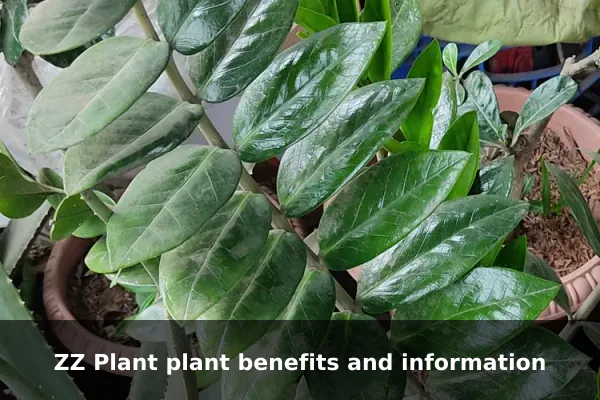
The ZZ plant has quietly become one of the most beloved houseplants in homes and offices around the world. With its deep green, waxy leaves and nearly indestructible nature, it offers everything a busy or beginner plant owner could want. Whether you have a dimly lit apartment or a bright office corner, the ZZ plant adapts with ease.
In this guide, you will discover what makes the ZZ plant special, its real benefits, and the simple care steps needed to keep it thriving indoors.
What Is a ZZ Plant?
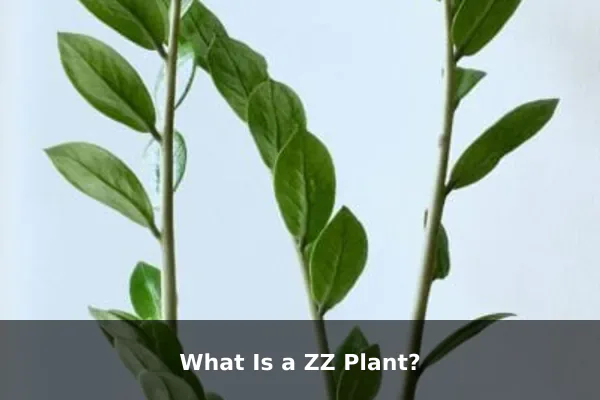
The ZZ plant, scientifically known as Zamioculcas zamiifolia, is a tropical perennial native to eastern Africa, particularly found in Zanzibar, Kenya, and Tanzania. The nickname “ZZ” simply comes from the first letters of its scientific name, making it easy to remember.
Its most recognizable features are its thick, arching stems lined with pairs of oval, glossy dark green leaflets. These leaves have a naturally polished appearance that gives the plant a clean, modern look. The ZZ plant grows slowly and typically reaches between 2 and 4 feet tall indoors.
- Scientific name: Zamioculcas zamiifolia
- Origin: Eastern Africa
- Type: Tropical perennial, rhizomatous
- Growth rate: Slow to moderate
- Common uses: Indoor decoration, office plants, low-light spaces
Top Benefits of the ZZ Plant
The ZZ plant is not just attractive — it offers a range of practical benefits that make it stand out from other popular houseplants.
Extremely Low Maintenance
Unlike many houseplants that require constant attention, the ZZ plant thrives on neglect. It stores water in its thick rhizomes underground, meaning it can survive long stretches without watering. This makes it ideal for travelers, busy professionals, or anyone new to plant care.
Tolerates Low Light Conditions
The ZZ plant is one of very few houseplants that genuinely performs well in low-light environments. It can survive in rooms with little natural light, making it suitable for offices, hallways, or darker corners of the home.
Air-Purifying Properties
Research has suggested that the ZZ plant may help remove certain volatile organic compounds (VOCs) from indoor air, including xylene, toluene, and benzene. While it should not be relied upon as a standalone air purifier, it contributes to a cleaner indoor environment alongside proper ventilation.
Long-Lasting and Durable
With proper minimal care, a ZZ plant can live for many years — sometimes decades. Its slow growth means it will not quickly outgrow its pot, and its hardy nature means it bounces back from common mistakes like overwatering or accidental drought.
Light, Water, and Soil Needs
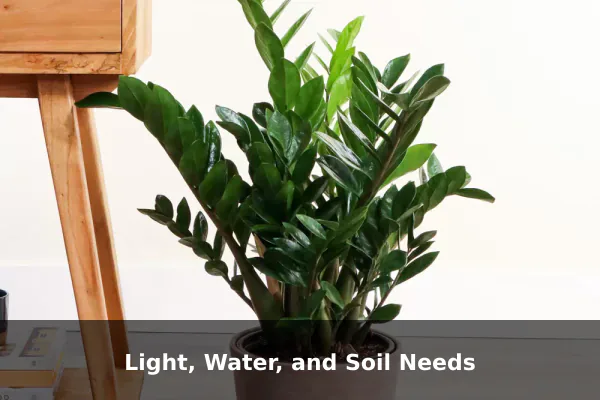
Despite its resilience, giving the ZZ plant the right conditions helps it grow its best.
Light
Place your ZZ plant in bright to moderate indirect light for ideal growth. It tolerates low light, but avoid placing it in direct sunlight for long periods as the leaves can scorch and yellow. A north or east-facing window works well.
Watering
Water only when the top 2 inches of soil feel completely dry — typically every 2 to 3 weeks in warmer months and even less in winter. Overwatering is the most common mistake and leads to root rot. When in doubt, underwater rather than overwater.
Soil
Use a well-draining potting mix, ideally one designed for succulents or cacti, or add perlite to standard potting soil to improve drainage. The ZZ plant’s rhizomes are prone to rotting in soggy soil, so good drainage is essential.
How to Keep a ZZ Plant Healthy
Beyond the basics of light and water, a few extra habits will keep your ZZ plant in top condition.
- Temperature: Keep it between 60°F and 80°F (15°C to 27°C). Avoid cold drafts and temperatures below 45°F.
- Fertilizing: Feed once a month during spring and summer with a balanced liquid fertilizer diluted to half strength. Do not fertilize in fall or winter.
- Cleaning leaves: Wipe the glossy leaves with a damp cloth occasionally to remove dust and help the plant absorb light more efficiently.
- Repotting: Repot every 2 to 3 years or when roots begin pushing out of the drainage holes. Choose a pot only 1 to 2 inches larger.
- Signs of trouble: Yellow leaves usually indicate overwatering; brown leaf tips can signal low humidity or too much direct sun.
Important Safety and Placement Tips
The ZZ plant contains calcium oxalate crystals, which can cause irritation if chewed or ingested. It is considered mildly toxic to pets and humans when consumed. Keep it out of reach of cats, dogs, and young children. Contact with sap may also irritate sensitive skin, so wearing gloves during repotting is a good habit.
For best placement, choose a spot with consistent indirect light and stable temperature — away from air conditioning vents or heating units. A living room shelf, office desk, or hallway table are all excellent choices. The ZZ plant’s upright form and glossy foliage also make it a striking focal point in modern or minimalist interiors.
Is the ZZ Plant Right for You?
If you want a plant that looks elegant, survives low light, tolerates irregular watering, and stays healthy with minimal effort, the ZZ plant is an outstanding choice. It suits beginners, busy households, and office environments equally well.
Its slow growth means it will not demand frequent repotting, and its long lifespan means your investment pays off for years. Whether you are just starting your indoor plant journey or looking to add a resilient green accent to your space, the ZZ plant delivers on every front. Give it a well-draining pot, indirect light, and water only when needed — and it will reward you with its beautiful, lasting presence.
