
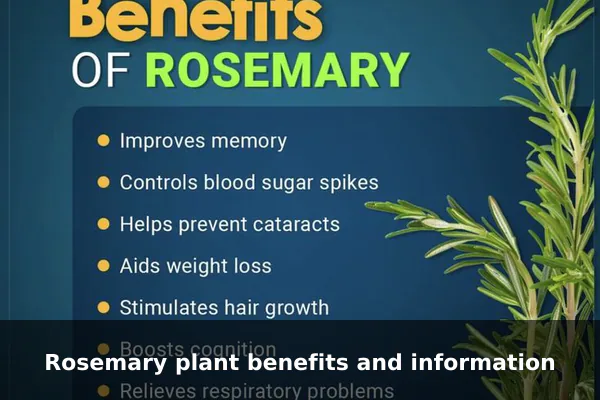
Rosemary is one of the most recognizable aromatic herbs in the world, prized for its piney fragrance, slender evergreen leaves, and long history in kitchens and gardens across the Mediterranean and beyond. Botanically known as Salvia rosmarinus, it is grown as a culinary staple, an ornamental shrub, and a traditional herbal ingredient.
This guide gives a practical, evidence-aware look at what the rosemary plant is, the main benefits it can offer, how it is commonly used, how to grow it at home, and the safety limits to keep in mind. Because rosemary is sometimes promoted for health uses, this article anchors claims to recognized botanical and regulatory references rather than marketing language.
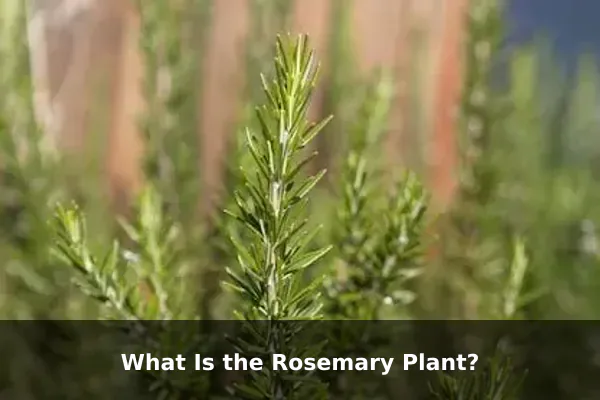
What Is the Rosemary Plant?
Rosemary is a woody, evergreen perennial herb in the mint family (Lamiaceae). According to Royal Botanic Gardens, Kew and Plants of the World Online, the accepted scientific name is Salvia rosmarinus, although it is still widely known by the older name Rosmarinus officinalis. The plant is native to the Mediterranean region and is now cultivated worldwide.
Appearance and Aroma
Mature plants form upright or trailing shrubs that can reach roughly 1 to 1.5 meters tall, with narrow, needle-like green leaves that are silvery underneath. Small pale blue, lavender, white, or pink flowers appear in clusters, attracting bees and other pollinators. The leaves contain aromatic oils that produce rosemary’s signature resinous, slightly camphorous scent.
Botanical Identity at a Glance
- Scientific name: Salvia rosmarinus
- Family: Lamiaceae (mint family)
- Type: Evergreen woody perennial herb
- Native range: Mediterranean basin
Main Benefits of Rosemary
The value of rosemary spans the kitchen, the garden, and traditional herbal practice. Each benefit area should be understood with appropriate caution.
Culinary Benefits
Rosemary is widely used as a culinary herb. Its strong flavor pairs well with roasted vegetables, poultry, lamb, breads, marinades, and slow-cooked dishes. A small amount goes a long way, which makes it economical and easy to keep on hand fresh or dried.
Garden and Ornamental Benefits
As an evergreen shrub, rosemary adds year-round structure, fragrance, and pollinator appeal to gardens. It works well as a low hedge, a container plant, or a drought-tolerant addition to herb beds and Mediterranean-style landscapes, as noted by university extension references such as the North Carolina Extension Gardener Plant Toolbox.
Traditional Herbal Uses
The European Medicines Agency (EMA) has reviewed rosemary leaf (Rosmarini folium) as a traditional herbal medicinal product. EMA describes traditional uses such as easing mild digestive discomfort and supporting circulation, but emphasizes that these uses rely on long-standing tradition rather than strong clinical proof, and that they should be limited in dose and duration.
Food Preservation Context
Rosemary extract is approved in the European Union as a food additive (E 392) and is used as an antioxidant in some foods. The European Food Safety Authority (EFSA) has assessed exposure and safety aspects of this use. This is a regulated industrial application and is not the same as using fresh or dried rosemary in home cooking.
How Rosemary Is Commonly Used
Most home uses of rosemary fall into a few simple categories.
- Fresh or dried in cooking: chopped leaves added to roasts, stews, breads, oils, and vinegars.
- Herbal infusions: a small amount of leaves steeped in hot water as a fragrant tea, used occasionally rather than in large daily doses.
- Infused oils for culinary use: rosemary sprigs added to olive oil for flavor; home-infused oils should be stored carefully and used within a short time.
- Garden borders and containers: planted as a fragrant ornamental, in herb gardens, or near patios where its scent can be enjoyed.
- Dried bundles and sachets: dried sprigs used for natural scenting of rooms and linens.
Concentrated forms such as essential oils or capsules are a different category and should be treated with more caution, as discussed in the safety section below.
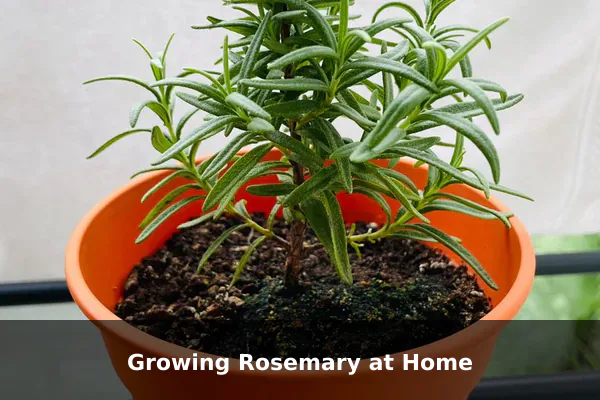
Growing Rosemary at Home
Rosemary is generally considered a rewarding plant for beginners who can give it the right conditions.
Light, Soil, and Watering
- Light: Full sun, ideally 6 or more hours of direct light per day.
- Soil: Well-drained, slightly gritty soil; avoid heavy, waterlogged ground.
- Watering: Let the top of the soil dry between waterings; rosemary tolerates drought far better than soggy roots.
- Containers: Use pots with drainage holes and a free-draining potting mix; container plants can be moved indoors during very cold winters.
Pruning and Propagation
Light pruning after flowering keeps plants bushy and prevents woody, leggy growth. Rosemary is commonly propagated from softwood or semi-hardwood cuttings rooted in a well-drained medium.
Climate and Common Mistakes
Hardiness varies by cultivar; many tolerate mild winters, but prolonged hard frosts can damage or kill plants. The most common mistakes are overwatering, planting in heavy clay, and giving rosemary too much shade.
Safety, Side Effects, and Who Should Be Careful
Culinary amounts of rosemary in food are generally regarded as safe for most healthy adults. Medicinal-level use is a different matter and deserves careful wording.
General Cautions
- Concentrated rosemary preparations, extracts, and especially essential oils are potent and should not be used internally without qualified professional guidance.
- Possible side effects from traditional medicinal use can include digestive upset and allergic skin reactions in sensitive individuals.
- People with known allergies to plants in the mint family should be cautious.
Pregnancy, Breastfeeding, and Children
The European Medicines Agency advises that traditional rosemary leaf herbal medicinal products are not recommended during pregnancy and breastfeeding, and are not recommended for children and adolescents under 18, due to a lack of adequate safety data. Culinary use of rosemary as a flavoring in food is a separate, much smaller exposure.
When to Seek Professional Advice
Anyone considering rosemary for a specific health purpose, taking prescription medication, or managing a chronic condition should consult a qualified healthcare professional before using concentrated rosemary products. This article is informational and is not a substitute for medical advice.
Quick Rosemary Plant Facts
- Scientific name: Salvia rosmarinus (syn. Rosmarinus officinalis)
- Plant type: Evergreen woody perennial herb
- Family: Lamiaceae
- Native range: Mediterranean region
- Sunlight: Full sun
- Soil: Well-drained, not waterlogged
- Common uses: Culinary herb, ornamental shrub, traditional herbal ingredient, regulated food additive (E 392)
- Safety note: Culinary use generally safe; medicinal use limited and not recommended in pregnancy, breastfeeding, or for children under 18 per EMA
Final Takeaway
Rosemary is a genuinely useful plant: a flavorful kitchen herb, a low-maintenance evergreen for sunny gardens, and a traditional herbal ingredient with a long cultural history. At the same time, its benefits should not be overstated. Culinary use is well established and widely enjoyed, while medicinal use carries clear limits, cautions, and exclusions that are reflected in official assessments from bodies such as the EMA and EFSA. Used thoughtfully, rosemary can be a lasting and rewarding addition to both the table and the garden.
Official references
- European Medicines Agency (EMA) – Rosmarini folium herbal medicinal product – Regulatory assessment of rosemary leaf traditional medicinal uses, evidence limits, contraindications, pregnancy/breastfeeding cautions, and side effects.
- Royal Botanic Gardens, Kew – Plants of the World Online: Salvia rosmarinus – Authoritative botanical taxonomy, accepted scientific name, synonyms, native range, and documented plant uses.
- Kew – Rosemary plant profile – Accessible botanical overview for rosemary description, distribution, uses, and botanic context.
- North Carolina Extension Gardener Plant Toolbox – Salvia rosmarinus – University extension reference for identification, cultivation, hardiness, propagation, landscape use, and toxicity notes.
- European Food Safety Authority (EFSA) – Extracts of rosemary (E 392) exposure assessment – EU food-safety authority assessment for rosemary extract as a food additive, including exposure and safety context.
