

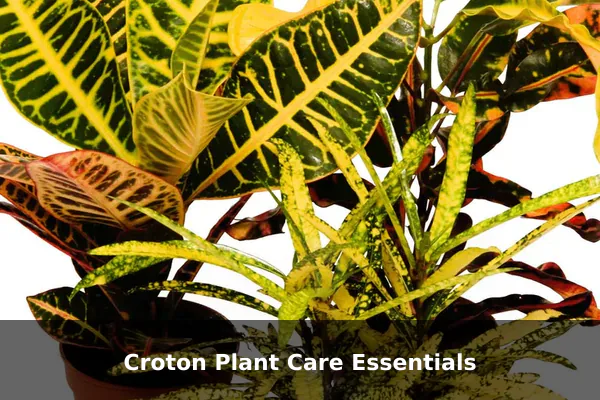
Few houseplants make a statement quite like the croton. With leaves splashed in red, orange, yellow, pink, and deep green, this tropical foliage plant brings instant warmth and color to any bright corner. While it is most loved for its decorative impact, croton also offers wellbeing benefits associated with indoor greenery and can be used outdoors in warm climates as a vibrant landscape accent.
This guide walks through what croton actually is, the realistic benefits of growing it, the care it needs to keep its bold colors, and the safety limits every owner should know before placing one in a home with pets or children.

What Is a Croton Plant?
The garden croton is botanically known as Codiaeum variegatum, a member of the spurge family (Euphorbiaceae). According to Plants of the World Online from the Royal Botanic Gardens, Kew, it is native to parts of tropical Asia and the western Pacific, where it grows as a shrub or small tree. The plant is widely cultivated as an ornamental for its leathery, glossy leaves that can be oval, lance-shaped, twisted, or deeply lobed depending on the cultivar.
Recognizing the Plant
Croton leaves typically display strong variegation, with veins, margins, or entire sections shifting in color as the leaf matures. Indoors, plants usually stay between 2 and 4 feet tall, while outdoor specimens in tropical regions can grow much larger.
Main Benefits of Growing Croton
Most of croton’s benefits are ornamental and emotional rather than medicinal. Still, those advantages are real and meaningful for everyday living spaces.
- Year-round color: Unlike flowering plants, croton’s foliage stays vivid all year, which is useful for adding warm tones during dull seasons.
- Strong design accent: A single plant can anchor a corner, soften a wall, or balance neutral decor.
- Indoor greenery wellbeing: Caring for living plants is commonly linked with feelings of calm, focus, and home satisfaction.
- Container versatility: Croton works in floor pots, tabletop containers, and mixed patio arrangements.
- Landscape value: In USDA zones 10–11, croton can be used as a colorful hedge or border plant outdoors.
Does Croton Purify Indoor Air?
Croton is sometimes marketed as an air-purifying plant. This claim traces back to a 1989 NASA study (NASA Technical Reports Server) that tested several houseplants for their ability to remove volatile organic compounds inside small sealed chambers. While the study showed measurable absorption, modern researchers caution that typical homes have far more air exchange and larger volumes than those test chambers.
In practice, one or two croton plants are unlikely to noticeably change the air quality of a normal room. Treat any air-cleaning benefit as a small bonus, not a primary reason to buy the plant. Good ventilation and reducing pollutant sources remain the most reliable approaches.
Croton Plant Care Essentials
University extension sources such as North Carolina State Extension and the University of Wisconsin–Madison Extension generally describe croton as a bright-light tropical plant that rewards consistent care.
Light
Place croton in bright, indirect to direct light. Insufficient light is the most common reason new leaves come in plain green instead of brightly variegated.
Watering
Water when the top inch of soil feels dry. Croton dislikes both soggy roots and prolonged drought. Reduce watering in winter when growth slows.
Humidity and Temperature
- Prefers humidity above 40–50%; mist or use a pebble tray in dry rooms.
- Comfortable around 60–80°F (16–27°C).
- Avoid cold drafts and temperatures below about 50°F (10°C).
Soil and Feeding
Use a well-draining, peat-based potting mix. Feed lightly with a balanced houseplant fertilizer during spring and summer, following the product label.
Common Croton Problems and Simple Fixes
Croton has a reputation for being dramatic, but most issues come from a few avoidable causes.
- Sudden leaf drop: Often a reaction to moving the plant, cold air, or a big change in light. Keep conditions stable and new leaves usually return.
- Faded or all-green leaves: Usually a sign of too little light. Move closer to a bright window.
- Brown leaf edges: Typically low humidity or inconsistent watering.
- Yellow lower leaves and mushy stems: A warning sign of overwatering or poor drainage.
- Spider mites or mealybugs: Check leaf undersides; wipe with a damp cloth or treat with insecticidal soap according to label directions.
Is Croton Safe for Pets and Children?
This is where caution matters. The ASPCA lists croton as toxic to dogs, cats, and horses, citing potential symptoms such as oral irritation, drooling, and vomiting if the plant is chewed. North Carolina Extension also notes that the sap may irritate skin and that ingestion can be problematic.
Safer Placement Tips
- Keep croton out of reach of pets and small children, such as on a tall plant stand or in a room they do not access.
- Wear gloves when pruning to avoid sap contact, and wash hands afterward.
- If a pet ingests croton, contact a veterinarian or a poison control hotline promptly rather than guessing severity at home.
Best Places to Use Croton at Home
Croton thrives where it can show off and still get the light it craves.
- Bright living rooms: Near east- or south-facing windows with sheer curtains.
- Entryways and sunrooms: Where the bold colors greet guests.
- Covered patios: In warm months, as long as nights stay mild.
- Tropical garden beds: Only in frost-free climates, paired with green-leaved companions for contrast.
Key Takeaways Before Buying a Croton
Croton is an excellent choice for plant lovers who want bold, lasting color and are willing to provide steady light, moderate humidity, and consistent watering. Its main benefits are decorative and wellbeing-related; broader health or air-purifying claims should be viewed with realistic expectations.
If you have curious pets or young children, plan placement carefully or consider a non-toxic alternative. For everyone else, a well-cared-for croton can be one of the most rewarding and visually striking plants in the home.
Official references
- North Carolina Extension Gardener Plant Toolbox: Codiaeum variegatum – University extension profile covering croton identification, growing notes, and low-severity poison characteristics.
- University of Wisconsin-Madison Extension: Croton, Codiaeum variegatum – Extension horticulture reference for croton description, care, cultivars, and general plant information.
- ASPCA Animal Poison Control: Croton – Authoritative pet-toxicity reference for croton, useful for cat and dog safety claims.
- Plants of the World Online, Royal Botanic Gardens Kew: Codiaeum variegatum – Primary botanical taxonomy source for accepted name, synonyms, family, and native range.
- NASA Technical Reports Server: Interior Landscape Plants for Indoor Air Pollution Abatement – Original NASA report often cited behind houseplant air-purifying claims; useful for explaining the claim's sealed-chamber context.
