
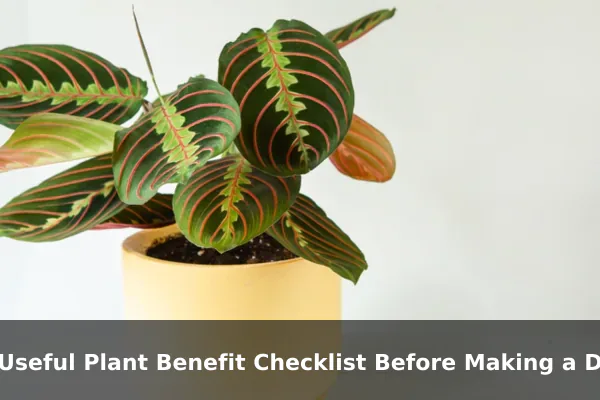
Most people choose plants on impulse — a striking leaf shape, a vivid flower, or a pot that matches the room. While aesthetics matter, they rarely tell the full story. Before bringing a plant home or placing one in a garden bed, it pays to ask: what benefit does this plant actually serve, and does it fit my situation?
This plant benefit checklist is designed to help you make a smarter, more confident decision. Whether you are setting up a home office, refreshing a living room corner, or planning an outdoor green space, running through these five checkpoints will save you time, money, and frustration in the long run.
Why Plant Benefits Matter Before You Choose
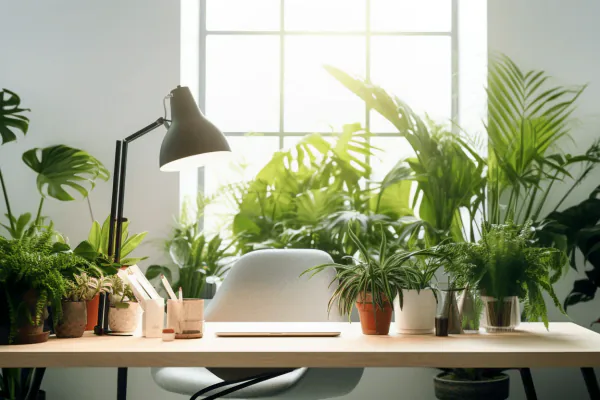
Not every plant delivers the same value. Some soften a room’s atmosphere, others provide shade, improve air circulation, or yield edible leaves and fragrant flowers. Understanding what a plant can actually do for your environment helps you avoid buying something that looks great in the nursery but underperforms once it arrives home.
A benefit-first approach also reduces the risk of neglect. When a plant solves a real problem — filtering a dim hallway, softening a bare wall, or calming a stressful workspace — you are far more likely to care for it consistently. Starting with benefits, not impulse, is the single biggest factor in long-term plant success.
Checklist Item 1: Define the Main Benefit You Want
Before browsing options, write down the one primary reason you want a plant. Common priorities include:
- Decoration and visual appeal — to enhance a room or outdoor feature
- Privacy or shade — for garden walls, balconies, or windows
- Air freshness or scent — to introduce natural fragrance without chemicals
- Edible or herbal use — for cooking, teas, or home remedies
- Stress relief or mood support — to create a calmer, greener environment
Naming your priority narrows the field immediately. A plant chosen with one clear purpose is always easier to evaluate, place, and maintain than one chosen at random.
Checklist Item 2: Match the Plant to Your Space
Every plant has a preferred environment. Before making a final choice, assess the actual conditions of the space where the plant will live.
Light and Airflow
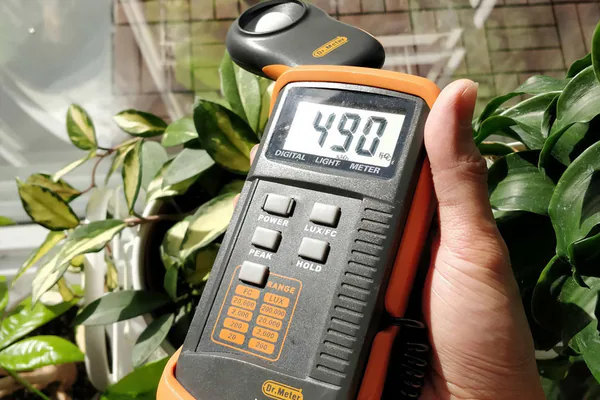
Measure how much natural light the area receives — bright direct sun, filtered light, or low indoor light. A sun-loving plant placed in a dim corner will slowly decline, no matter how carefully you water it.
Indoor vs. Outdoor Placement
Some plants marketed as indoor varieties will eventually outgrow a shelf or windowsill. Check the expected mature size before buying. Fast-growing plants can be rewarding early on but may require frequent repotting or pruning as they mature. Always ask whether the plant will still suit the space in two or three years.
Checklist Item 3: Measure Care Effort and Time
Care requirements are often underestimated. Be honest about how much time and attention you can realistically offer each week. Key factors to assess include:
- Watering frequency — daily, weekly, or less?
- Pruning and trimming needs — does the plant need regular shaping?
- Fertilizer schedule — is periodic feeding required for healthy growth?
- Pest and disease sensitivity — some plants attract common pests more than others
If your schedule is unpredictable, lean toward drought-tolerant or low-maintenance varieties. The best plant is one you can actually keep alive and healthy over time.
Checklist Item 4: Consider Cost, Growth, and Replacement Value
Price at purchase is only part of the real cost. A cheap seedling that requires expensive fertilizer, specialty soil, or frequent replacement can cost more over time than a hardy, self-sustaining plant purchased at a higher upfront price.
Questions to Ask Before You Buy
- Does this plant need a special potting mix or amended garden soil?
- How quickly does it grow, and will it need repotting within the first year?
- Is it easy to propagate, so you can grow extras if needed?
- If it dies, is it affordable and straightforward to replace?
Plants that propagate easily offer excellent long-term value because a single purchase can expand into multiple plants over time.
Checklist Item 5: Check Safety for Children and Pets
This step is often overlooked until a problem occurs. Many popular houseplants contain compounds that are mildly to severely toxic when ingested. Before placing any plant in a home with children or animals, verify the following:
- Toxicity level — check whether any part of the plant is harmful if chewed or eaten
- Sharp edges or thorns — relevant for curious children or active pets
- Allergy potential — some plants release pollen or sap that may trigger reactions
- Placement height — can the plant be positioned out of reach if needed?
A quick check with a trusted plant toxicity resource before purchasing is all it takes to avoid an avoidable emergency.
Simple Decision Checklist Before You Buy
Use this quick reference before committing to any plant purchase or planting decision:
- Have I identified the main benefit I want from this plant?
- Does the plant match the light, airflow, and size of my space?
- Is the care routine realistic for my weekly schedule?
- Have I considered total cost, including soil, pots, and long-term needs?
- Is the plant safe for children, pets, and anyone with allergies in my home?
If you can answer yes to all five, the plant is likely a strong match for your situation. If any point raises doubt, take time to explore alternatives before deciding. Choosing a plant thoughtfully — rather than on impulse — leads to a better relationship with the greenery in your space and a much higher chance of long-term success.
