
Choosing the right plant is rarely about buying the most popular species on the shelf. The real value comes from matching a plant to its setting so its benefits become realistic, measurable, and lasting. A plant that thrives produces cleaner-looking foliage, fewer care headaches, and a more comfortable space, while a poorly matched plant often disappoints no matter how attractive it looked at purchase.
Smart plant benefit recommendations focus on better outcomes: healthier growth, fewer mistakes, improved indoor comfort, and stronger garden soil. Instead of one-size-fits-all claims, the most reliable advice adjusts to your light, your watering habits, and your soil. This guide walks through a practical, evidence-aware approach so the plants you choose actually deliver what you hoped for.
Match Plant Benefits to the Real Goal
Before comparing species, define what you actually want. Different goals call for different plant choices and care priorities, and naming the goal first prevents wasted effort.
- Indoor greenery and comfort: foliage plants that tolerate typical room conditions.
- Easier maintenance: forgiving species that handle irregular care.
- Growing success for beginners: resilient plants with clear care signals.
- Soil support outdoors: plantings that build structure and organic matter.
- Productive planting: herbs or edibles suited to your climate and sun.
When you know the goal, a recommendation becomes a filter rather than a guess.
Use Light and Location as the First Filter
Light is the single biggest predictor of indoor plant performance, so it should guide recommendations before aesthetics. According to general horticulture guidance from sources like the Royal Horticultural Society, placement and consistent conditions matter as much as the species itself.
Assess each spot honestly for brightness, temperature stability, humidity, and how the room is used. A bright bathroom, a dim hallway, and a sunny windowsill all call for different plants. Choosing a plant that suits the location reduces stress, leggy growth, and slow decline.
Read the Room Before You Buy
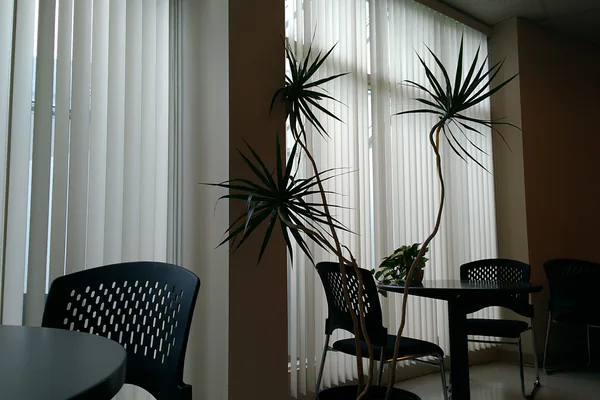
Watch how light moves through a space across the day, note drafts from doors or vents, and avoid placing tropical foliage near cold glass or heating sources. Stable conditions almost always beat a “perfect” spot that swings between extremes.
Choose Plants by Care Fit, Not Trend Value
A trending plant is only a good recommendation if it fits your routine. Match plants to how you actually live rather than to social-media appeal.
- Watering tolerance: pick drought-tolerant species if you travel or forget.
- Growth habit and space: consider mature size, not the small starter pot.
- Pets and children: check toxicity and choose safer options when needed.
- Time available: low-maintenance plants suit busy schedules.
Keep benefit claims cautious. Many plants are pleasant and easy to grow, but sweeping promises about health effects are best treated carefully and not as the main reason to buy.
Watering and Drainage Decide Many Outcomes
More houseplants are lost to watering mistakes than to neglect of any other kind. Extension guidance, such as resources from the University of Minnesota Extension, consistently points to moisture management and drainage as decisive factors.
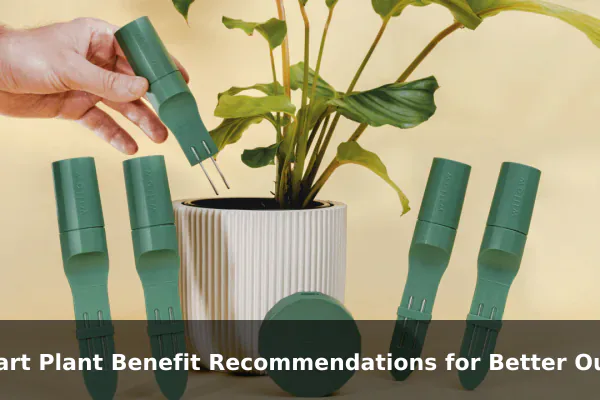
- Check soil moisture before watering instead of following a fixed calendar.
- Water thoroughly, then let excess drain away completely.
- Use containers with drainage holes whenever possible.
- Empty saucers so roots never sit in standing water.
Persistent sogginess invites root rot, while quick-draining setups give roots the oxygen they need. When in doubt, slightly underwater rather than overwater most foliage plants.
Soil Health Makes Outdoor Benefits Last
Outdoor recommendations should account for the soil, not just the plant. Healthy soil supports strong roots, steady nutrient cycling, and biodiversity that keeps plantings resilient over time. The USDA Natural Resources Conservation Service describes soil health as the foundation for productive, living ground.

To support lasting outdoor benefits, protect soil structure, add organic matter such as compost, avoid unnecessary compaction, and keep roots growing through as much of the season as conditions allow. Good soil turns a single planting into a long-term system.
Test Before Fertilizing or Amending
For garden beds or stubborn fertility problems, a soil test is smarter than guessing. Extension programs like Penn State Extension offer testing that reveals pH and nutrient levels, helping you avoid wasteful or harmful fertilizer choices. Apply amendments based on data, not assumptions, and re-test periodically to confirm progress.
Build a Simple Recommendation Checklist
Turn these principles into a quick, repeatable checklist you can use before any purchase or planting decision.
- Goal: what benefit do you want from this plant?
- Site conditions: light, temperature, humidity, and space.
- Maintenance capacity: how much time and attention you can give.
- Soil or potting needs: drainage indoors, structure and fertility outdoors.
- Watering plan: how you will check moisture and avoid overwatering.
- Monitoring schedule: when you will review the plant’s condition.
Running through these six points takes a minute and prevents the most common mismatches.
Review Outcomes and Adjust Seasonally
Smart recommendations improve over time because you observe results and adapt. Treat each plant as an ongoing relationship rather than a one-time choice.
Watch for early warning signs: yellowing leaves, persistently dry or soggy soil, stalled growth, or signs of pests on stems and leaf undersides. Adjust care with the seasons, since light and indoor heating shift through the year and plants often need less water in cooler, darker months. When something underperforms, change one variable at a time so you can learn what actually helped.
Conclusion
Better plant outcomes come from thoughtful matching, not lucky guesses. When you start with a clear goal, filter by light and location, choose for care fit, and respect watering, drainage, and soil health, your plants are far more likely to deliver the benefits you wanted. Lean on trusted horticulture and extension sources, keep your claims realistic, and review results as conditions change. With this steady, evidence-aware approach, smart plant benefit recommendations turn into healthier plants and a more rewarding space, indoors and out.
Official references
- Royal Horticultural Society – Houseplants Growing Guide – Authoritative horticulture guidance for practical houseplant recommendations, including placement, watering, compost, and ongoing care.
- University of Minnesota Extension – Houseplants – University extension hub for evidence-based indoor plant care, species guidance, watering, light, pests, and seasonal care.
- University of Minnesota Extension – Watering Houseplants – Useful anchor for actionable watering claims, drainage advice, root-rot cautions, and fertilizer timing.
- Penn State Extension – Soil Testing – Primary extension reference for soil fertility, pH, nutrient testing, and avoiding unsupported fertilizer recommendations.
- USDA Natural Resources Conservation Service – Soil Health – Official U.S. government source for soil health principles, nutrient cycling, biodiversity, roots, and soil function.
