
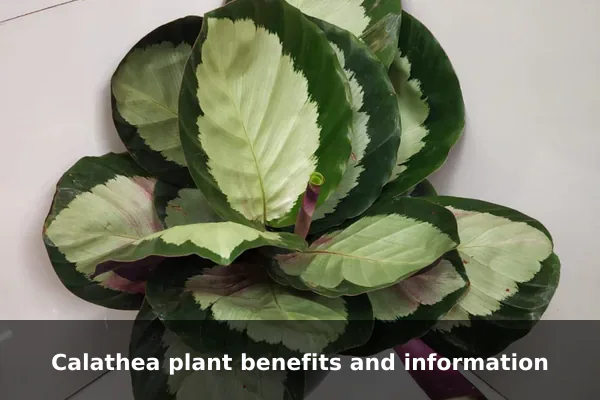
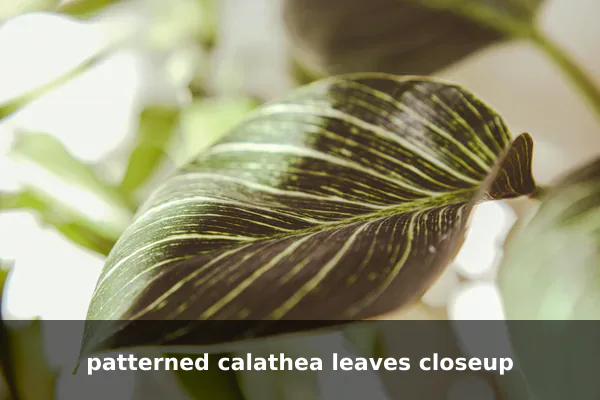
Calathea is one of the most striking foliage plants you can bring indoors. Its leaves carry bold stripes, feathered patterns, and rich purple undersides that make it a natural centerpiece in living rooms, offices, and shaded reading corners. Unlike many trendy houseplants, Calathea earns its place through visual personality rather than exaggerated health claims.
This guide focuses on what Calathea actually offers: decorative value, a pet-friendly profile, and a calming presence in well-lit indoor spaces. We will also separate realistic benefits from the often-overstated idea that a single potted plant can purify a room.
What Is a Calathea Plant?
Calathea is a genus of tropical foliage plants native to the understory of Central and South American rainforests, where they grow beneath taller trees in warm, humid, dappled light. According to Kew Science Plants of the World Online, the genus belongs to the Marantaceae family, which also includes the closely related prayer plants. Many species formerly sold as Calathea have been reclassified into Goeppertia, although garden centers still use the original trade name.
Common Varieties You Will See
- Calathea orbifolia — large round leaves with silvery stripes.
- Calathea ornata (Pinstripe) — dark green leaves with thin pink lines.
- Calathea lancifolia (Rattlesnake Plant) — long wavy leaves with dark spots.
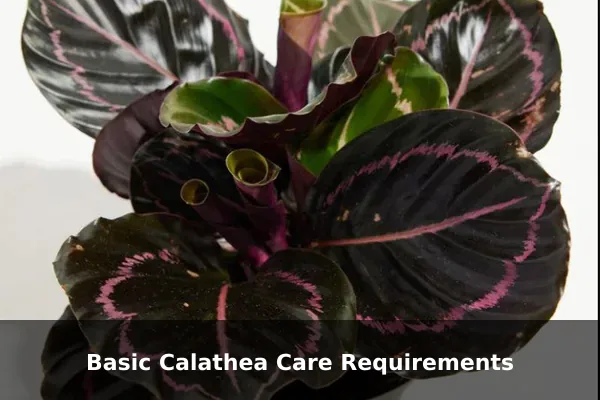
- Calathea medallion — rounded leaves with feathered patterns and purple undersides.
Key Benefits of Growing Calathea Indoors
The genuine advantages of Calathea sit firmly in the categories of decor, comfort, and pet safety. Treating it as a lifestyle plant rather than a health device leads to far more satisfaction.
Striking Decorative Foliage
Few houseplants match Calathea for pattern density. The leaves work as living art, and the slow nightly leaf movement (sometimes called nyctinasty) adds a quiet, observable rhythm to a room.
Pet-Friendly Status
According to the ASPCA Animal Poison Control plant database, Calathea is listed as non-toxic to cats, dogs, and horses. That makes it a sensible choice for households where a curious pet may brush against or chew foliage, though it is still wise to discourage chewing of any plant.
Biophilic and Mood Value
Surrounding yourself with greenery is widely associated with a sense of calm and visual relief from screens. Calathea contributes to that experience without demanding a sunny window, which is useful in apartments and offices with mostly indirect light.
The Truth About Calathea and Indoor Air Quality
You may have read that Calathea purifies the air. The original source for most houseplant air-cleaning claims is the 1989 NASA Interior Landscape Plants for Indoor Air Pollution Abatement study, which tested plants in small sealed chambers, not in normal homes.
More recent research, including a peer-reviewed review published in the Journal of Exposure Science & Environmental Epidemiology, concludes that typical potted plants do not remove volatile organic compounds at a rate that meaningfully improves indoor air quality in real buildings. The U.S. Environmental Protection Agency emphasizes ventilation and source control as the primary tools for indoor air quality.
A reasonable takeaway:
- Enjoy Calathea for its appearance and humidity-loving character.
- Do not rely on it to filter pollutants, smoke, or VOCs.
- Pair plants with proper ventilation if air quality is a concern.
Basic Calathea Care Requirements
Calathea has a reputation for being a little fussy. The plant itself is not difficult, but it does have firm preferences that mirror its rainforest origins.
Light
Provide bright, indirect light. Direct sun fades patterns and scorches leaves, while deep shade dulls color and slows growth. A position a few feet from a north or east window usually works well.
Watering and Humidity
- Keep soil consistently lightly moist, not soggy.
- Allow the top centimeter to dry slightly between waterings.
- Use lukewarm filtered or rain water when possible, as some Calathea cultivars react to chlorine and fluoride with leaf-tip browning.
- Aim for humidity above 50 percent; a pebble tray or small humidifier helps.
Temperature and Soil
Calathea prefers steady warmth between roughly 18°C and 27°C (65–80°F) and dislikes cold drafts. Use a well-draining peat- or coco-based mix that holds moisture without compacting.
Common Problems and What They Mean
Most Calathea issues are signals about water, air, or light rather than disease.
- Crispy brown edges — usually low humidity, dry air, or mineral buildup from tap water.
- Curling leaves — typically underwatering or excessive heat and light.
- Yellowing leaves — often overwatering, poor drainage, or compacted soil.
- Faded patterns — too much direct sun.
- Pests (spider mites, thrips) — favored by dry indoor air; wipe leaves and treat early.
Adjust one variable at a time and give the plant a week or two to respond before changing again.
Is Calathea Right for Your Home?
Calathea is a strong choice if you want a visually expressive foliage plant, have pets, and can offer steady warmth and indirect light. It is less suitable if your home runs very dry in winter, if you travel often and cannot keep watering consistent, or if your only available spot is a hot, sunny window.
Quick Suitability Checklist
- Pets in the home? Yes — Calathea is on the ASPCA non-toxic list.
- Bright indirect light available? Ideal.
- Comfortable with regular watering and humidity care? Recommended.
- Looking for an air purifier? Choose ventilation instead and treat Calathea as decor.
Conclusion
Calathea earns its place indoors through patterned, sculptural foliage, a pet-safe profile, and the quiet biophilic comfort of living greenery. Its benefits are most accurate when described in those terms, rather than as a substitute for clean air or medical care. If you can provide indirect light, gentle humidity, and steady watering, Calathea will reward you with some of the most beautiful leaves available in the houseplant world.
Official references
- ASPCA Animal Poison Control – Calathea – Primary pet-safety reference for whether Calathea is listed as toxic or non-toxic to cats, dogs, and horses.
- U.S. Environmental Protection Agency – Improving Indoor Air Quality – Official guidance to ground indoor air-quality claims and avoid overstating houseplant air-purification benefits.
- NASA Technical Reports Server – Interior Landscape Plants for Indoor Air Pollution Abatement – Primary source for the original NASA houseplant air-pollution study often cited in air-purifying plant claims.
- Journal of Exposure Science & Environmental Epidemiology – Potted plants do not improve indoor air quality – Peer-reviewed review that evaluates VOC-removal claims and explains why typical potted plants do not meaningfully improve indoor air quality in real buildings.
- Kew Science Plants of the World Online – Calathea – Authoritative botanical taxonomy and distribution reference for the Calathea genus.
