
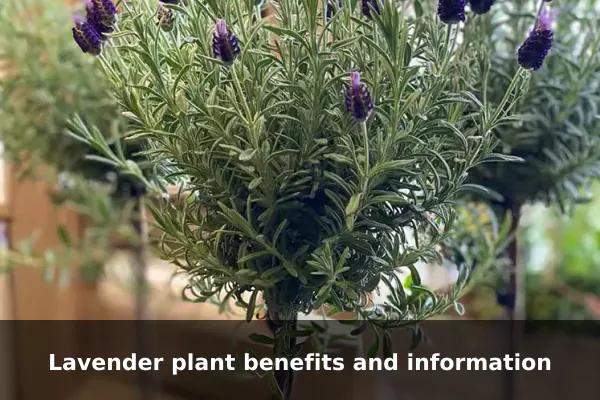
Few plants are as instantly recognizable as lavender, with its silvery-green foliage, slender purple spikes, and unmistakable sweet-herbal fragrance. Whether grown along a sunny border, tucked into a terracotta pot, or dried into bundles for the linen cupboard, lavender has earned a quiet place in gardens, kitchens, and traditional wellness routines across the world.
This guide focuses on what lavender actually offers as a plant, while being careful to separate everyday garden use from medical claims about essential oils or supplements. The goal is to help you enjoy lavender confidently at home, and to know where caution or qualified advice is needed.
What Is Lavender?
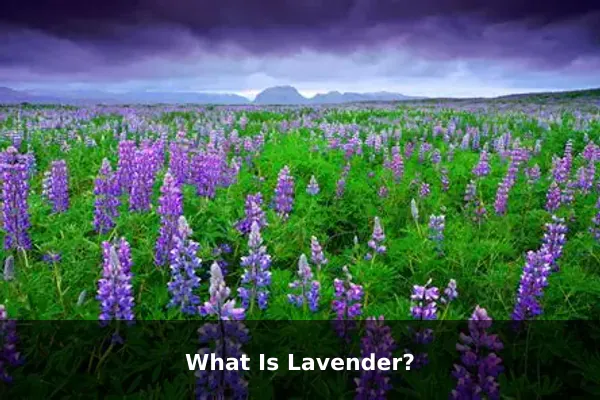
Lavender (Lavandula) is an aromatic flowering shrub in the mint family, native to the Mediterranean region. Most home gardeners grow English lavender (Lavandula angustifolia), French lavender (Lavandula dentata), or hybrid “lavandin” varieties. All share narrow leaves, woody stems, and fragrant flower spikes that range from pale lilac to deep violet.
The scent comes from essential oils stored in tiny glands on the flowers and leaves. That fragrance is the reason lavender appears in sachets, soaps, garden hedges, and traditional herbal preparations.
Key Benefits of Growing Lavender
As a garden plant, lavender delivers several practical benefits that don’t depend on any health claim.
Fragrance and sensory appeal
A brushed leaf or warmed flower spike releases a clean, herbal aroma that many people find pleasant and calming in a general, everyday sense.
Pollinator support
Lavender blooms are a reliable nectar source for bees, bumblebees, and butterflies, making it a useful plant for pollinator-friendly gardens.
Drought tolerance and easy care
Once established, lavender tolerates dry spells, poor soils, and full sun. It pairs well with low-water landscaping and rocky borders.
Ornamental and craft value
- Soft structure for borders, edging, and container displays
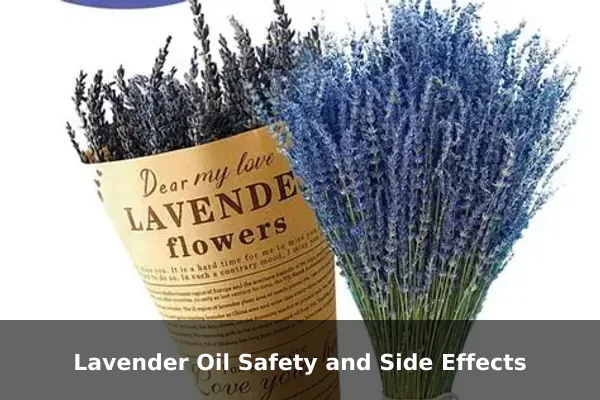
- Dried flower bundles for decor and gentle home scenting
- Sachets for drawers, wardrobes, and linens
Lavender and Wellness: What the Evidence Supports
Lavender has a long traditional reputation for relaxation and sleep support, but it is important to be measured about what the evidence actually shows.
According to the U.S. National Center for Complementary and Integrative Health (NCCIH), lavender has been studied for anxiety, stress, and sleep, but the overall research is limited and mixed, and lavender products are not a substitute for medical treatment. The European Medicines Agency (EMA) recognizes certain lavender oil preparations within its herbal medicine framework for traditional use to relieve mild symptoms of stress and to aid sleep, while still emphasizing safety considerations and dosage limits.
In plain terms: many people find the scent of lavender pleasant and soothing, and traditional use is well documented, but you should not treat lavender as a guaranteed remedy for any medical condition.
Lavender Oil Safety and Side Effects
The plant in a pot is not the same thing as concentrated lavender essential oil. Oils are highly concentrated and require respect.
Do not swallow essential oil
According to MedlinePlus and Poison Control, swallowing lavender essential oil can be harmful, especially for children, and may cause symptoms such as nausea, vomiting, drowsiness, or in larger amounts, more serious effects. If a child or pet ingests essential oil, contact a poison control center or emergency services promptly.
Skin and eye contact
- Always dilute essential oil in a carrier oil before applying to skin
- Stop use if you notice redness, itching, or a rash
- Avoid contact with eyes and broken skin
Supplements and liver considerations
NIH-hosted LiverTox notes that herbal and dietary supplements, including those marketed for relaxation, can occasionally be linked to liver issues, so do not assume oral lavender supplements are automatically safe.
How to Grow and Care for Lavender
Lavender is forgiving once you match its preferred conditions.
- Light: Full sun, ideally at least 6 hours per day.
- Soil: Well-drained, slightly alkaline soil; add grit or sand to heavy clay.
- Water: Moderate while establishing, then sparingly. Avoid soggy roots.
- Pruning: Trim lightly after flowering to keep plants compact and prevent woody centers.
- Containers: Use a pot with drainage holes and a gritty mix; do not let it sit in standing water.
Most problems with lavender come from overwatering or poorly drained soil rather than neglect.
Simple Ways to Use Lavender at Home
You can enjoy many of lavender’s everyday benefits without using concentrated oils at all.
- Cut and dry flower stems for sachets and drawer pouches
- Tie small bundles for shelves, gift wraps, or seasonal decor
- Plant near patios and pathways so brushing the foliage releases scent
- Add a few culinary-grade dried buds sparingly to baked goods or teas, if you tolerate them well
- Use lavender hedging as a low, fragrant border for vegetable beds
Keep claims modest. Enjoying the scent in a relaxing environment is reasonable; promising it will cure insomnia, anxiety, or pain is not.
Who Should Be Careful With Lavender Products?
Most people can handle lavender as a garden plant without issue, but concentrated products deserve more care. Consider talking to a qualified healthcare professional before using lavender oil or supplements if you are:
- Pregnant or breastfeeding
- Caring for infants or young children
- Taking medications, especially sedatives or hormone-sensitive treatments
- Prone to skin allergies or sensitivities
- Managing a chronic condition such as liver disease
Pet owners should also be cautious, as some essential oils, including lavender, can affect cats, dogs, and small animals differently than humans.
Final Takeaway
Lavender is a genuinely rewarding plant: easy to grow in the right spot, attractive, fragrant, and supportive of pollinators. Its traditional links to relaxation and sleep are part of its charm, but the strongest evidence-based message is a careful one. Enjoy the plant freely, treat concentrated oils and supplements with respect, and lean on official sources such as NCCIH, EMA, MedlinePlus, and Poison Control when health questions come up. Used thoughtfully, lavender can be one of the most pleasant and low-maintenance additions to any home or garden.
Official references
- NIH NCCIH – Lavender: Usefulness and Safety – Best U.S. government anchor for lavender health claims, evidence limits, side effects, and safety cautions.
- European Medicines Agency – Lavandulae aetheroleum – EU herbal medicine assessment source for lavender oil use, traditional indications, regulatory status, and safety considerations.
- MedlinePlus Medical Encyclopedia – Lavender oil – NIH/NLM consumer medical reference for lavender oil poisoning symptoms and emergency safety guidance.
- Poison Control – How safe is lavender oil? – Primary poison-center safety reference for ingestion, eye/skin exposure, dilution cautions, and adverse effects.
- NCBI Bookshelf LiverTox – Lavender – NIH-hosted reference for lavender as an herbal/dietary supplement and liver safety context.
