
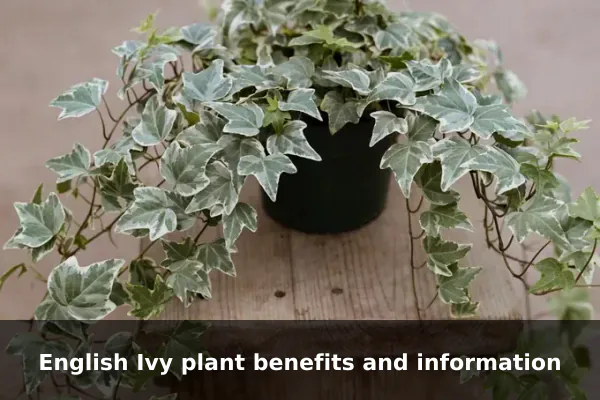
English ivy (Hedera helix) is one of the most recognizable evergreen vines in the world, valued for its glossy lobed leaves, graceful trailing stems, and ability to soften walls, shelves, and containers with year-round greenery. It is widely grown indoors as a houseplant and outdoors as a climbing or ground-cover species, which makes it both versatile and, in some settings, problematic.
This guide takes a balanced look at English ivy’s real benefits as an ornamental plant, what the current evidence actually says about its air-purifying reputation, and the safety and environmental concerns every grower should weigh before placing it in a home or garden.
What Is English Ivy?
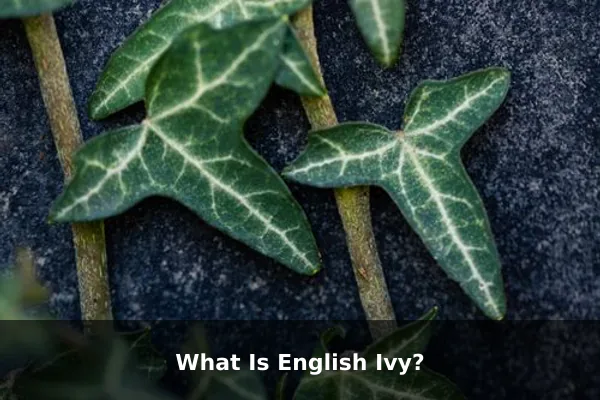
English ivy is a woody evergreen vine native to Europe and parts of western Asia. According to the NC State Extension Gardener Plant Toolbox, it can grow as a creeping ground cover or climb vertical surfaces using small root-like holdfasts that attach to bark, brick, and wood.
Appearance and Growth Habit
Juvenile leaves are typically three- to five-lobed, dark green, and sometimes variegated with cream or yellow margins. Mature plants growing in sun can produce unlobed leaves and small greenish flowers followed by dark berries. Indoors, English ivy usually stays in its juvenile form, trailing gracefully from hanging baskets or climbing modest supports.
Main Benefits of English Ivy
The strongest case for English ivy is ornamental. It offers reliable greenery with relatively modest care, which is why it remains a staple in plant collections, floral arrangements, and landscape design.
- Year-round foliage: As an evergreen, it keeps its color through winter, both indoors and in mild outdoor climates.
- Decorative trailing growth: Long, flexible stems drape attractively from shelves, mantels, and hanging planters.
- Vertical coverage: On trellises or wire frames it can form a living screen, adding privacy and softening hard surfaces.
- Texture and contrast: Its lobed leaves pair well with broader-leaved houseplants for visual variety.
- Adaptable styling: Works in classic, cottage, and modern interiors, and in topiaries or kokedama-style displays.
Practical Garden Uses
In carefully managed beds, English ivy can be used as a shade-tolerant ground cover or to soften retaining walls. However, these uses come with important caveats discussed in the invasiveness section below.
English Ivy and Indoor Air Quality: What the Evidence Says
English ivy is frequently included in lists of “air-purifying” houseplants. This reputation traces largely to a 1989 NASA study (available through the NASA Technical Reports Server) that tested several plants for their ability to absorb volatile organic compounds inside sealed laboratory chambers.
It is important to read those results in context. The U.S. Environmental Protection Agency’s guide The Inside Story: A Guide to Indoor Air Quality explicitly cautions that a reasonable number of houseplants has not been shown to remove significant amounts of pollutants from typical homes or offices. A peer-reviewed analysis published in the Journal of Exposure Science & Environmental Epidemiology reached a similar conclusion: under realistic conditions, ventilation and air filtration are far more effective than potted plants at improving indoor air quality.
In short, English ivy is a beautiful houseplant, but it should not be treated as a substitute for opening windows, using exhaust fans, or running a proper air filter.
Growing Conditions and Basic Care
English ivy is generally considered easy to grow, though it does have preferences that influence how lush it looks.
Light, Soil, and Water
- Light: Bright, indirect light indoors; variegated forms need more light to keep their patterns. Outdoors it tolerates partial to full shade.
- Soil: Well-draining potting mix with organic matter; outdoors it adapts to many soil types.
- Water: Keep soil lightly moist but never soggy. Let the top inch dry between waterings to avoid root rot.
- Humidity: Moderate to high humidity helps reduce spider mite problems, a common indoor pest.
- Temperature: Prefers cooler indoor temperatures; avoid hot, dry spots near radiators.
Pruning and Containment
Regular pruning keeps the plant tidy, encourages bushier growth, and—just as importantly—keeps it from outgrowing its space. Container culture is one of the safest ways to enjoy English ivy because it limits spread.
Safety: Pets, People, and Skin Contact
This is where English ivy demands extra care. The ASPCA Animal Poison Control lists English ivy as toxic to dogs, cats, and horses; reported clinical signs include drooling, vomiting, abdominal pain, and diarrhea after ingestion. The NC State Extension Plant Toolbox similarly flags it as poisonous if eaten and notes that contact with the sap can cause skin irritation or allergic dermatitis in sensitive people.
Practical Safety Tips
- Keep English ivy out of reach of pets and young children, ideally on high shelves or in hanging baskets they cannot access.
- Wear gloves when pruning or repotting, especially if you have sensitive skin.
- Wash hands after handling, and avoid touching your face or eyes during plant care.
- If a pet ingests any part of the plant, contact a veterinarian or a poison control hotline promptly.
Outdoor Planting and Invasive Risk
Outside, English ivy’s vigor becomes a serious concern. It can form dense mats that smother native ground-layer plants and climb trees, where its added weight and shading may stress the host. In several regions of North America it is listed as invasive or strongly discouraged.
Before planting English ivy outdoors, check with your local extension office, native plant society, or municipal guidance. In many areas, native or non-invasive alternatives are recommended for ground cover and vertical greening.
Best Uses for English Ivy at Home
The safest and most rewarding way to enjoy English ivy is to keep it controlled.
- Hanging baskets: Showcase the trailing habit while keeping foliage away from pets.
- High shelves and mantels: Let stems cascade for a softening effect in living rooms or offices.
- Indoor trellises and topiaries: Train stems into shapes for a tidy, sculptural look.
- Outdoor containers: Use in pots, window boxes, or mixed planters where roots cannot escape into surrounding soil.
- Cut greenery: Trim stems for short-term use in floral arrangements rather than planting outdoors.
Should You Grow English Ivy?
English ivy is a beautiful, adaptable plant that earns its place as a classic ornamental. Its real benefits—evergreen color, trailing texture, and flexible styling—are best enjoyed indoors or in well-contained outdoor pots. Its limits are equally real: modest, often overstated air-cleaning power; toxicity to common pets; potential skin irritation; and a strong tendency to spread outdoors.
If you can place it safely out of reach of pets and children, prune it regularly, and resist the urge to let it loose in the garden, English ivy can be a rewarding, low-drama houseplant. If your household includes curious pets or you live in an area where it is considered invasive, a non-toxic, non-invasive alternative may be the kinder choice for everyone involved.
Official references
- ASPCA Animal Poison Control – English Ivy – Primary pet-safety reference for English ivy toxicity in dogs, cats, and horses, including toxic principles and clinical signs.
- NC State Extension Gardener Plant Toolbox – Hedera helix – University extension profile covering identification, growing conditions, invasiveness, human toxicity, contact dermatitis, and pet risk flags.
- U.S. EPA – The Inside Story: A Guide to Indoor Air Quality – Authoritative source for indoor air quality claims; specifically cautions that a reasonable number of houseplants has not been shown to remove significant pollutants in homes or offices.
- NASA Technical Reports Server – Interior Landscape Plants for Indoor Air Pollution Abatement – Primary NASA report often cited for houseplant air-purifying claims; useful for explaining the original lab context and limitations.
- Journal of Exposure Science & Environmental Epidemiology – Potted plants do not improve indoor air quality – Peer-reviewed review and analysis that evaluates VOC removal rates and contextualizes why potted plants are not effective substitutes for ventilation or air filtration.
