
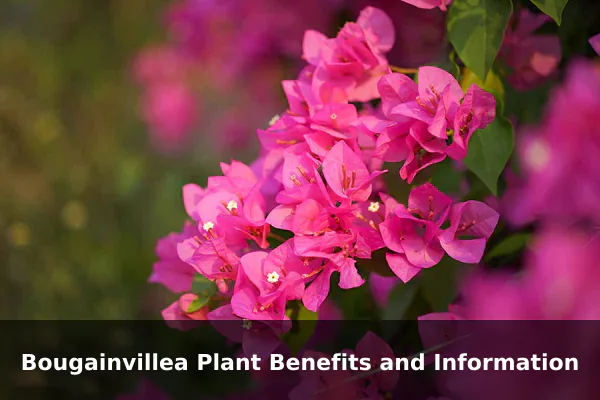
Bougainvillea is one of the most eye-catching flowering plants you can add to any outdoor space. Known for its vivid cascades of color, this tropical vine or shrub thrives in warm climates and transforms walls, fences, and trellises into stunning displays that last for months. Whether you are designing a garden, decorating a balcony, or searching for a plant that delivers maximum visual impact with minimal fuss, bougainvillea is well worth considering.
This guide covers everything you need to know about bougainvillea — from its origins and appearance to its key benefits, ideal growing conditions, and practical care tips. By the end, you will have a clear picture of whether this plant is the right fit for your home or garden.
What Is a Bougainvillea Plant?
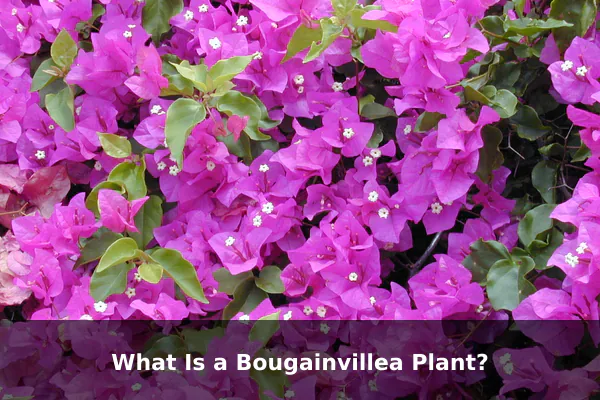
Bougainvillea (Bougainvillea spp.) is a genus of thorny ornamental vines, shrubs, and small trees native to South America, particularly Brazil. It was first described by European botanists in the 18th century and named after French navigator Louis Antoine de Bougainville. Today it is cultivated worldwide in tropical and subtropical regions as one of the most beloved landscape plants.
One of the most fascinating things about bougainvillea is that its brilliant “flowers” are actually bracts — modified leaves that surround the plant’s tiny, white true flowers. These bracts come in a wide range of colors including magenta, red, orange, pink, purple, white, and yellow depending on the cultivar. The combination of long-lasting bracts and fast growth makes bougainvillea a standout choice in ornamental gardening.
Key Plant Facts
- Family: Nyctaginaceae
- Origin: South America (Brazil, Peru, Argentina)
- Growth habit: Vine, shrub, or small tree
- Height: 1–12 meters depending on variety
- Bloom season: Year-round in warm climates; spring to fall elsewhere
- Hardiness: USDA zones 9–11
Main Benefits of Bougainvillea Plants
Bougainvillea offers a wide range of benefits that go beyond pure aesthetics. Here is why gardeners and landscapers consistently choose this plant.
Exceptional Ornamental Value
Few plants can match the sheer visual impact of a bougainvillea in full bloom. Its dense clusters of brightly colored bracts create a dramatic effect on walls, pergolas, fences, and archways. It is one of the most reliable ways to add bold, consistent color to an outdoor space for many months at a time.
Extended Blooming Season
In frost-free climates, bougainvillea can bloom almost continuously throughout the year. Even in cooler regions the blooming period typically spans several months, making it a far more long-lasting color source than many traditional flowering plants.
Drought Tolerance
Once established, bougainvillea is highly drought-tolerant. It actually produces more flowers when it experiences mild water stress. This makes it an excellent choice for low-water gardens, xeriscaping projects, or areas with hot, dry summers.
Natural Privacy Screen
Thanks to its vigorous, thorny growth, bougainvillea makes an effective natural barrier. Trained along a fence or wall, it creates a dense, colorful hedge that deters intruders while adding beauty to the landscape.
Attracts Pollinators and Supports Biodiversity
The small true flowers inside bougainvillea’s bracts attract bees, butterflies, and other beneficial pollinators, supporting local biodiversity in your garden throughout the blooming season.
Versatile Use in Landscaping
Bougainvillea works equally well as a climbing vine, a weeping standard, a groundcover on slopes, or a container plant for patios and balconies. This versatility makes it adaptable to many garden styles and available spaces.
Best Growing Conditions for Bougainvillea
Understanding bougainvillea’s preferred environment is the key to getting the most spectacular blooms.
- Sunlight: Full sun — at least 6 hours of direct sunlight per day. Less sun means fewer flowers.
- Temperature: Thrives in warm conditions (18–35°C / 65–95°F). Sensitive to frost; bring containers indoors if temperatures drop below 5°C (41°F).
- Soil: Well-draining, slightly acidic to neutral soil (pH 5.5–6.5). Avoid heavy clay that retains water.
- Watering: Moderate; allow soil to dry slightly between waterings. Overwatering promotes foliage over flowers.
- Space: Vigorous growers need room to spread, or regular pruning to stay compact.
How to Care for Bougainvillea
Bougainvillea is considered low-maintenance once established, but a few routine steps will keep it looking its best all season long.
Watering
Water deeply but infrequently. Once the plant is established — usually after the first growing season — reduce watering to encourage blooming. Container plants need more frequent watering than those grown directly in the ground.
Fertilizing
Feed with a balanced slow-release fertilizer or a bloom-boosting formula (high in phosphorus and potassium) every 4–6 weeks during the growing season. Avoid high-nitrogen fertilizers, which stimulate leaf growth at the expense of flowers.
Pruning and Support
Prune after each blooming cycle to encourage new growth and more flowers. Remove dead or crossing branches and trim back long shoots to maintain the desired shape. Always wear gloves — bougainvillea has sharp thorns. For vining varieties, provide a trellis, wire frame, or fence for support and tie new shoots gently as they grow.
Common Problems and How to Prevent Them
Bougainvillea is generally tough, but a few issues can arise. Knowing them in advance helps you act quickly.
- Overwatering: The most common mistake. Soggy roots cause leaf drop and root rot. Always ensure excellent drainage.
- Poor flowering: Usually caused by too much shade, excess nitrogen fertilizer, or insufficient water stress. Move the plant to a sunnier location and adjust feeding.
- Aphids and whiteflies: Can cluster on new growth. Treat with a mild insecticidal soap or neem oil spray.
- Chlorosis (yellowing leaves): Often a sign of iron deficiency in alkaline soils. Apply a chelated iron supplement or acidify the soil slightly.
- Frost damage: Blackened, wilted foliage after cold snaps. Cut back damaged growth in spring — the plant usually recovers strongly.
Is Bougainvillea a Good Choice for Your Garden?
Bougainvillea is an outstanding garden plant for anyone living in a warm, sunny climate. It rewards minimal care with months of spectacular color, tolerates drought better than most flowering plants, and serves multiple practical purposes — from decorating walls to providing privacy and attracting pollinators.
If you live in a cooler region, bougainvillea can still thrive in containers that are brought indoors during winter, making it accessible to a wider range of gardeners. The key is providing plenty of sun and resisting the urge to overwater. With the right conditions, bougainvillea is one of the most rewarding plants you can grow — a true showstopper that earns its place in any garden designed for lasting beauty and low-maintenance color.
