
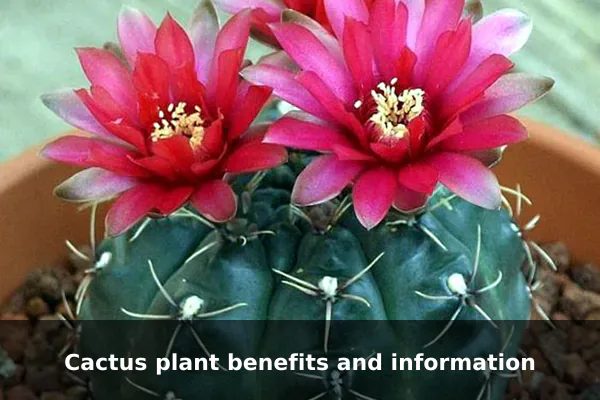
Few plants capture the imagination quite like the cactus. With their sculptural silhouettes, sharp spines, and remarkable ability to thrive where most greenery would wither, cacti have become favorites among indoor gardeners, ecological enthusiasts, and home decorators alike. Yet behind the trendy windowsill displays lies a fascinating botanical family with deep ecological roots and a long history of human use.
This guide takes a practical, evidence-aware look at cactus plants, exploring their botanical identity, the realistic benefits of growing them, their role in fragile desert ecosystems, and how to care for them safely. We will also touch on edible cactus species and address common misconceptions, drawing on guidance from sources such as Kew Science, the U.S. National Park Service, and university extension programs.
What Is a Cactus Plant?
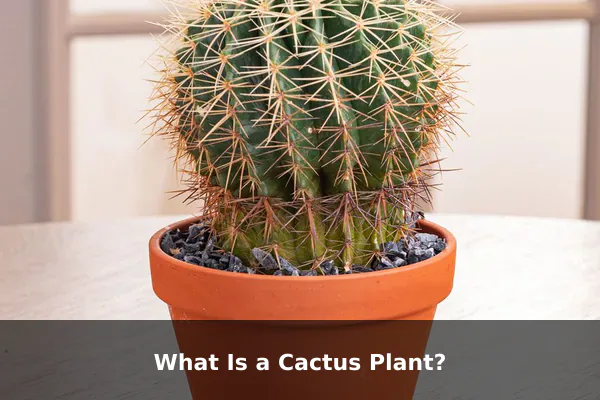
A cactus is any plant belonging to the family Cactaceae, a group of flowering plants almost exclusively native to the Americas. According to Kew Science’s Plants of the World Online, the family includes a wide diversity of accepted genera, ranging from towering saguaros to tiny button-shaped species. While many people use “cactus” and “succulent” interchangeably, it is important to note that all cacti are succulents, but not all succulents are cacti.
Key Botanical Features
The defining feature of true cacti is the presence of areoles, small cushion-like structures from which spines, flowers, and new branches emerge. Other characteristic traits include:
- Thick, fleshy stems that store water for long dry periods.
- Spines instead of true leaves in most species, reducing water loss and deterring herbivores.
- CAM photosynthesis, which allows them to open their stomata at night to conserve moisture.
- Showy flowers that often bloom briefly but spectacularly.
Main Benefits of Growing Cactus Plants
Cacti offer a blend of practical, aesthetic, and educational benefits that explain their enduring popularity among hobbyists and beginners alike.
Low-Maintenance and Drought Tolerant
Because cacti evolved in arid environments, they require far less watering than most houseplants. This makes them well suited for busy schedules, frequent travelers, and small living spaces where overwatering is a common pitfall.
Compact and Decorative
Their architectural shapes and diverse forms make cacti striking decorative pieces. They fit neatly on windowsills, desks, and shelves, and pair beautifully in mixed succulent arrangements.
Beginner-Friendly Plants
For new plant owners, cacti provide an accessible introduction to gardening. They are forgiving of occasional neglect and reward consistent, simple care with healthy growth and, eventually, blooms.
Educational Value
Cacti are excellent teaching plants. Their adaptations to extreme environments help illustrate concepts in biology and ecology, from water storage to defensive structures.
Cactus Care Basics for Healthy Growth
According to the University of Minnesota Extension, successful cactus care indoors comes down to mimicking, as closely as possible, the bright and dry conditions of their native habitats.
Light
Most cacti need bright, direct light. A south- or east-facing window is generally ideal. Insufficient light often leads to etiolation, where the plant stretches and becomes pale.
Soil and Containers
- Use a well-draining cactus or succulent mix, often amended with coarse sand or perlite.
- Choose pots with drainage holes to prevent water from pooling at the roots.
- Unglazed terracotta is popular because it allows soil to dry more evenly.
Watering
Water thoroughly only when the soil is fully dry, and reduce watering significantly in winter when most cacti are dormant. Overwatering is the leading cause of cactus death indoors.
Temperature
Most common houseplant cacti prefer warm conditions during the growing season and a cooler, drier rest period in winter, which can help encourage flowering in many species.
Ecological Importance of Cacti
Cacti are far more than decorative curiosities. As described by the National Park Service, they play a vital role in desert ecosystems such as those found in the American Southwest.

Supporting Wildlife
- Pollinators: Cactus flowers attract bees, moths, bats, and hummingbirds, depending on the species and bloom time.
- Birds: Large columnar cacti like the saguaro provide nesting cavities for desert birds.
- Food and shelter: Fruits and pads sustain a variety of mammals, reptiles, and insects during dry seasons.
Soil and Habitat Stability
Cacti help anchor fragile desert soils and contribute to the broader balance of arid ecosystems. Many species are slow growing and long lived, which means damage from poaching or habitat loss can take decades to recover.
Edible Cactus and Nutrition Notes
Several cactus species have culinary uses, most notably the prickly pear (Opuntia), whose pads (nopales) and fruits (tunas) are widely consumed in Mexico and parts of the southwestern United States.
According to USDA FoodData Central, raw prickly pear fruit is generally low in calories and provides dietary fiber along with some vitamin C and minerals. Cactus pads are similarly low in calories and contain water, fiber, and modest amounts of micronutrients. While these foods can be a healthy addition to a balanced diet, broader medical claims should be treated with caution and discussed with a qualified healthcare professional.
Safety, Handling, and Common Misconceptions
Cacti are generally safe to grow at home, but a few practical considerations help avoid problems.
Handling Spines Safely
- Wear thick gloves or wrap the plant in folded newspaper when repotting.
- Be especially careful with glochids, the tiny barbed bristles on Opuntia species, which can lodge in skin easily.
- Keep spiny species out of reach of young children and curious pets.
Common Misconceptions
- “Cacti thrive on neglect.” They tolerate dryness, but they still need light, occasional watering, and appropriate temperatures.
- “Any cactus is fine in low light.” Most species need bright light and will weaken in deep shade.
- “All cacti look the same.” The family is incredibly diverse, including forest-dwelling species like holiday cacti that need more humidity and less direct sun.
Best Uses for Cactus Plants at Home
With the right placement, cacti can enhance almost any living space.
Indoor Display Ideas
- Sunny windowsills in kitchens, bedrooms, or home offices.
- Mixed succulent and cactus dish gardens for coffee tables.
- Small terracotta pots grouped on shelves for a curated look.
Outdoor and Small-Space Uses
- Rock gardens and gravel beds in dry climates.
- Container gardens on balconies that receive strong sunlight.
- Drought-tolerant landscaping to reduce water consumption.
When sourcing cacti, choose reputable nurseries to avoid plants collected illegally from the wild, as several species are protected under conservation regulations.
Conclusion
Cactus plants offer a rare combination of beauty, resilience, and ecological significance. They are forgiving companions for beginner gardeners, sculptural accents for modern interiors, and irreplaceable members of desert ecosystems. By understanding their basic needs, respecting their natural adaptations, and approaching health-related claims with care, you can enjoy cacti as long-lived, low-maintenance plants that bring a quiet sense of the desert into your home.
Official references
- Kew Science Plants of the World Online – Cactaceae – Authoritative taxonomy, accepted genera, nomenclature, and distribution context for the cactus family.
- USDA NRCS PLANTS Database – Official U.S. plant profiles for names, distribution, characteristics, and conservation/legal status where applicable.
- University of Minnesota Extension – Cacti and succulents – Practical university extension guidance on cactus care, indoor growing conditions, watering, soil, propagation, and common misconceptions.
- USDA FoodData Central – Official nutrient composition data for edible cactus products such as raw prickly pear, useful for nutrition claims.
- National Park Service – Cacti / Desert Succulents – Official ecology and adaptation context for desert cacti, including pollination, habitat roles, and survival traits.
