
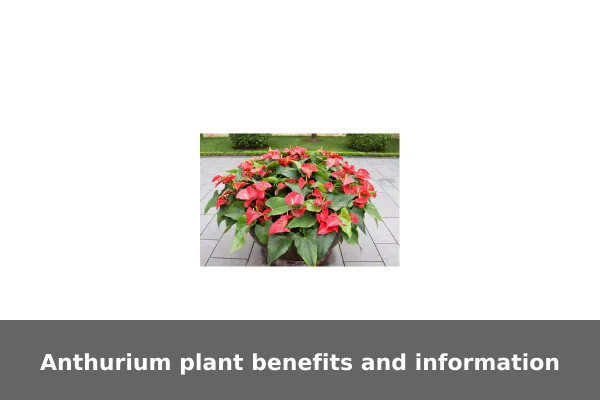
Few houseplants deliver as much instant color as the Anthurium. With its glossy, heart-shaped leaves and waxy, long-lasting spathes in red, pink, white, or coral, it has become a favorite for living rooms, offices, and gift shops around the world. Yet behind its tropical good looks, there is more to know than just watering and sunlight.
This guide walks through the real benefits of growing Anthurium indoors, what the science actually says about its air-cleaning reputation, how to care for it, and the safety cautions every owner should understand before bringing one home.
What Is an Anthurium Plant?
Anthurium is a large tropical genus in the Araceae family, native mainly to the Americas. According to the Royal Botanic Gardens, Kew (Plants of the World Online), the genus contains hundreds of accepted species, with popular ornamental forms including Anthurium andraeanum and Anthurium scherzerianum, both widely sold as houseplants.
Common Names and Look
- Flamingo flower – named for the bright, flame-like spathe.
- Laceleaf – for the prominent leaf veining in some species.
- Tailflower – referring to the curling spadix above the spathe.
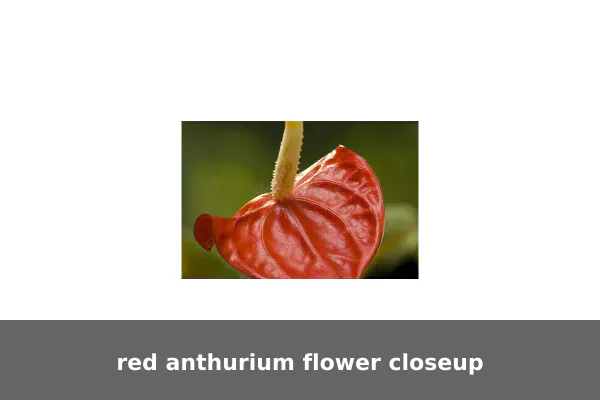
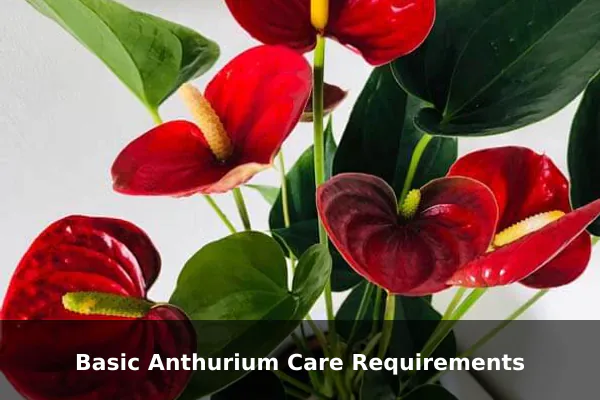
The colorful “flower” most people admire is actually a modified leaf called a spathe, while the true tiny flowers sit along the upright spadix. Most plants sold in stores are cultivated hybrids selected for compact size and long-lasting blooms.
Key Benefits of Growing Anthurium Indoors
The benefits of Anthurium are mostly ornamental and atmospheric rather than medicinal. When grown with reasonable care, it offers practical advantages for indoor spaces.
Decorative and Mood Benefits
- Long-lasting color: Individual spathes can remain attractive for several weeks, far longer than cut flowers.
- Year-round display: Well-cared-for plants may flower in multiple flushes through the year.
- Compact footprint: Many cultivars stay small enough for desks, shelves, and side tables.
- Glossy foliage: Even without blooms, the deep green, heart-shaped leaves bring a tropical feel to interiors.
Lifestyle Benefits
Anthurium is often chosen as a thoughtful housewarming or sympathy gift because of its tidy form and symbolism of hospitality. For people working from home, a small flowering plant on the desk can add visual warmth without demanding daily attention.
Air-Purifying Claims: What the Evidence Really Means
You will often read that Anthurium “cleans indoor air.” These claims usually trace back to the NASA Clean Air Study reported in the late 1980s, available through the NASA Technical Reports Server. That research tested various houseplants inside small, sealed chambers and found they could reduce certain volatile organic compounds under those specific conditions.
However, the original study did not measure typical homes, which have constant air exchange, much larger volumes, and many pollution sources. Later reviews have cautioned that achieving meaningful air cleaning through houseplants alone would require an unrealistic number of plants per room. It is therefore more accurate to say:
- Anthurium may contribute to a pleasant, greener indoor environment.
- It should not be relied on as a substitute for ventilation or an air purifier.
Basic Anthurium Care Requirements
According to general guidance from the University of Florida IFAS Extension, Anthurium thrives when its tropical origins are respected: warmth, humidity, bright filtered light, and a well-drained growing medium.
Light, Temperature, and Humidity
- Light: Bright, indirect light. Harsh direct sun can scorch the leaves and fade spathes.
- Temperature: Comfortable room temperatures, generally avoiding cold drafts and sudden chills.
- Humidity: Prefers moderate to high humidity; grouping plants or using a pebble tray can help in dry rooms.
Watering and Soil
- Use a loose, well-aerated medium such as a mix with bark, perlite, and peat or coco coir.
- Water when the top of the medium feels slightly dry; avoid letting roots sit in standing water.
- Choose pots with drainage holes to prevent root rot, a common Anthurium problem.
- Feed lightly during active growth with a balanced houseplant fertilizer, following label directions.
Is Anthurium Toxic to People and Pets?
This is the most important safety section in any Anthurium guide. The North Carolina Extension Gardener Plant Toolbox lists Anthurium as containing insoluble calcium oxalate crystals, the same toxic principle found in many aroids. The ASPCA Animal Poison Control specifically lists the flamingo flower (Anthurium scherzerianum) as toxic to dogs, cats, and horses.
What Can Happen
- In people: Chewing or biting leaves or stems may cause intense oral burning, lip and tongue irritation, swelling, and difficulty swallowing. Sap on skin can trigger contact irritation in sensitive individuals.
- In pets: Reported clinical signs include oral pain, pawing at the mouth, drooling, vomiting, and reduced appetite.
Safer Handling
- Keep plants out of reach of young children and curious pets.
- Wash hands after pruning or repotting, and consider gloves if you have sensitive skin.
- If ingestion is suspected, contact a doctor, poison control center, or veterinarian promptly rather than waiting.
This article is for general information only and is not medical or veterinary advice.
Best Places to Display Anthurium at Home
Placement makes a real difference for both plant health and household safety.
- Bright living rooms: Near a window with sheer curtains, away from direct midday sun.
- Home offices: On a side table where the color can be enjoyed during long work sessions.
- Well-lit bathrooms: The naturally higher humidity often suits Anthurium, provided there is enough light.
- High shelves or hanging displays: Helpful in homes with toddlers or pets that chew plants.
Avoid placing Anthurium near heaters, cold drafts, or air conditioning vents, which can stress the foliage and shorten bloom life.
Quick Buying and Maintenance Tips
A little care at purchase pays off for months of healthy growth.
- Choose plants with firm, glossy leaves and no yellowing or brown edges.
- Check the base for healthy roots and avoid pots with persistent standing water.
- Inspect the undersides of leaves for pests such as spider mites or scale.
- Remove spent spathes and damaged leaves with clean scissors to encourage new growth.
- Wipe leaves occasionally with a soft, damp cloth to remove dust and keep them glossy.
Final Takeaway
Anthurium earns its place as one of the most rewarding flowering houseplants thanks to its vivid, long-lasting spathes, glossy foliage, and compact form. Its benefits are primarily decorative and mood-enhancing, not a guaranteed air-cleaning solution, so it is best appreciated for what it truly offers: beauty and a tropical accent indoors.
At the same time, responsible ownership means respecting its calcium oxalate toxicity, keeping it away from children and pets, and providing the warm, bright, and humid conditions it prefers. Treated this way, an Anthurium can stay attractive for years, quietly elevating any room it calls home.
Official references
- Royal Botanic Gardens, Kew – Plants of the World Online: Anthurium – Authoritative taxonomy source for Anthurium genus names, accepted species, synonyms, and distribution context.
- University of Florida IFAS Extension – Anthurium spp. – Extension reference for Anthurium identification, ornamental uses, growing conditions, indoor suitability, and toxicity notes.
- North Carolina Extension Gardener Plant Toolbox – Anthurium – Useful for safety details, including human poison symptoms, contact dermatitis risk, and calcium oxalate toxic principle.
- ASPCA Animal Poison Control – Flamingo Flower – Primary pet toxicity reference for Anthurium scherzeranum, listing toxic principles and clinical signs for dogs, cats, and horses.
- NASA Technical Reports Server – Interior Landscape Plants for Indoor Air Pollution Abatement – Primary source behind many houseplant air-purifying claims; important for describing what the original sealed-chamber research did and did not show.
