
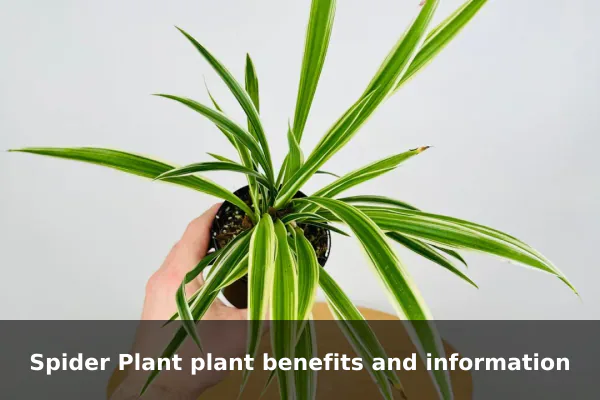
The spider plant (Chlorophytum comosum) is one of the most recognizable houseplants in the world, loved for its arching, ribbon-like leaves and the cascade of baby plantlets that dangle from mature specimens. It thrives on neglect, tolerates a wide range of indoor conditions, and rewards beginners with fast, visible growth.
This guide takes a practical, evidence-aware look at spider plant benefits and information, covering identification, realistic air-quality expectations, pet safety, care basics, and propagation. The aim is to help you decide whether this classic green companion belongs in your home, and how to keep it looking its best.
What Is a Spider Plant?
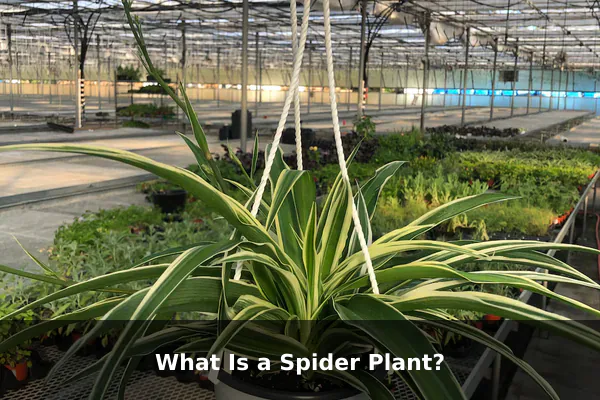
Spider plant is a clumping, evergreen perennial native to tropical and southern Africa. According to the North Carolina Extension Gardener Plant Toolbox, Chlorophytum comosum grows from fleshy tuberous roots and produces long, strap-shaped leaves that may be solid green or variegated with white or cream stripes.
Mature plants send out wiry stems called stolons that bear small white flowers followed by miniature plantlets, often called spiderettes or pups. These dangling babies give the plant its common names: spider plant, ribbon plant, and airplane plant.
Popular Varieties
- ‘Vittatum’ – classic central white stripe with green margins.
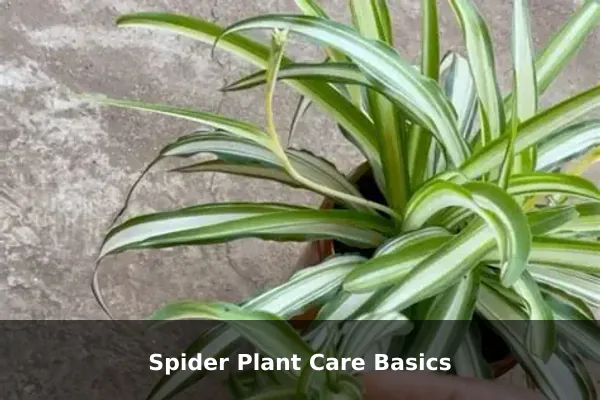
- ‘Variegatum’ – green center with creamy white edges.
- ‘Bonnie’ – curly, twisting leaves in a compact form.
- Solid green – the non-variegated wild type, often more vigorous.
Key Benefits of Spider Plant Indoors
Most of the realistic benefits of a spider plant are practical and aesthetic rather than medical. They include:
- Beginner-friendly care: tolerates missed waterings, low humidity, and imperfect light.
- Decorative foliage: arching variegated leaves soften shelves, corners, and hanging baskets.
- Easy propagation: spiderettes root quickly, giving you free plants to share.
- Pet-friendly profile: listed as non-toxic to cats and dogs by the ASPCA.
- Wellness value: the simple act of tending and watering plants can support a calming daily routine.
Air-Purifying Claims: What the Evidence Really Says
Spider plant is frequently named in articles about “air-purifying houseplants.” The original source is a 1989 NASA study, Interior Landscape Plants for Indoor Air Pollution Abatement, which tested several species inside small sealed chambers and found they could reduce certain volatile organic compounds.
However, more recent peer-reviewed work, including a review published in the Journal of Exposure Science & Environmental Epidemiology, concludes that potted plants in normal homes and offices do not meaningfully improve indoor air quality at realistic densities. The chamber conditions used by NASA do not match a typical living room with open doors, ventilation, and large air volumes.
The U.S. Environmental Protection Agency (EPA) advises that the most effective approaches to indoor air quality are source control, adequate ventilation, and where needed, mechanical filtration. A spider plant can be a lovely addition to a room, but it should not be relied on as an air cleaner.
How to Talk About It Honestly
- Yes, spider plants were part of early NASA chamber tests.
- No, a few pots will not noticeably purify a normal room.
- For real air quality gains, focus on ventilation, reducing pollution sources, and filters.
Pet Safety and Household Placement
One of the strongest practical benefits of spider plant is its pet-safety profile. The ASPCA Animal Poison Control list classifies Chlorophytum comosum as non-toxic to cats and dogs, and university extension profiles agree.
That said, cats in particular often find the dangling leaves irresistible to chew. Eating large amounts can still cause mild stomach upset or vomiting in some pets, and toppled pots create mess. Sensible placement helps:
- Hang baskets out of easy jumping range for determined cats.
- Place pots on stable shelves where they cannot be knocked down.
- Trim damaged leaves so they do not look like a tempting toy.
Spider Plant Care Basics
Spider plants are forgiving, but they look their best with consistent, simple care.
Light
Bright, indirect light produces the strongest variegation and the most spiderettes. They also tolerate medium light, though growth slows. Avoid harsh, direct midday sun, which can scorch leaves.
Watering
Water when the top 2–3 cm of soil feels dry. Spider plants are sensitive to fluoride and chlorine in tap water, which can contribute to brown leaf tips. Using filtered, rain, or distilled water often helps.
Soil and Potting
Use a well-draining general houseplant mix in a pot with drainage holes. The fleshy roots fill containers quickly, so expect to repot every 1–2 years.
Temperature and Humidity
Normal indoor temperatures between 15–24°C suit them well. They tolerate average household humidity but appreciate occasional misting or grouping with other plants in very dry rooms.
Fertilizing
Feed lightly with a balanced liquid fertilizer once a month during spring and summer. Over-fertilizing is a common cause of brown tips.
Propagation and Repotting Tips
Propagation is where spider plants truly shine. Once a plant matures, it produces stolons with baby plantlets that can become new plants in weeks.
- Choose a spiderette with small nubs or roots forming at its base.
- Place the base in a small glass of water, keeping the leaves dry.
- Wait 1–2 weeks for roots to reach 3–5 cm in length.
- Transfer to a small pot of moist, well-draining soil.
- Keep slightly more humid for the first week, then resume normal care.
You can also pin a plantlet onto soil while still attached to the parent, then snip the stolon once it has rooted.
Common Problems and Simple Fixes
- Brown leaf tips: usually from fluoride, over-fertilizing, or inconsistent watering. Switch to filtered water and reduce feed.
- Root rot: caused by soggy soil. Check drainage and let the top layer dry between waterings.
- Pale or stretched leaves: light is too low. Move closer to a bright window.
- No plantlets: the plant may be too young, under-lit, or in too large a pot.
- Pests: watch for spider mites and mealybugs; wipe leaves and treat with insecticidal soap if needed.
Best Uses in Home Decor
Spider plants are versatile decor pieces. Their cascading habit suits:
- Hanging baskets near bright windows.
- High shelves where the spiderettes can trail.
- Bathrooms with natural light and humidity.
- Home offices, adding softness on top of cabinets or monitors.
- Mixed plant groupings, where variegated leaves contrast with darker foliage.
Is Spider Plant Worth Growing?
For most households, the answer is a confident yes. Spider plant offers attractive, forgiving foliage, simple propagation, and a reassuring non-toxic profile for cats and dogs. It is an ideal first houseplant and a generous one to share.
Just keep expectations grounded: enjoy it as decor, a calming routine, and a beginner-friendly companion, not as a replacement for ventilation or air filtration. Treated this way, a healthy spider plant can quietly enrich your space for many years.
Official references
- NASA Technical Reports Server: Interior Landscape Plants for Indoor Air Pollution Abatement – Original NASA technical memorandum often cited for houseplant air-purifying claims; useful as the primary source to check what the study actually tested.
- Journal of Exposure Science & Environmental Epidemiology: Potted plants do not improve indoor air quality – Peer-reviewed review and analysis that contextualizes and challenges common indoor plant air-purification claims in real buildings.
- U.S. EPA: Air Cleaners and Air Filters in the Home – Official indoor air quality guidance for source control, ventilation, and filtration; helps prevent overstating spider plant air-cleaning benefits.
- ASPCA Animal Poison Control: Spider Plant – Primary pet safety reference listing Chlorophytum comosum as non-toxic to cats and dogs.
- North Carolina Extension Gardener Plant Toolbox: Chlorophytum comosum – University extension plant profile with identification, care requirements, origin, traits, and pet non-toxicity tags.
