
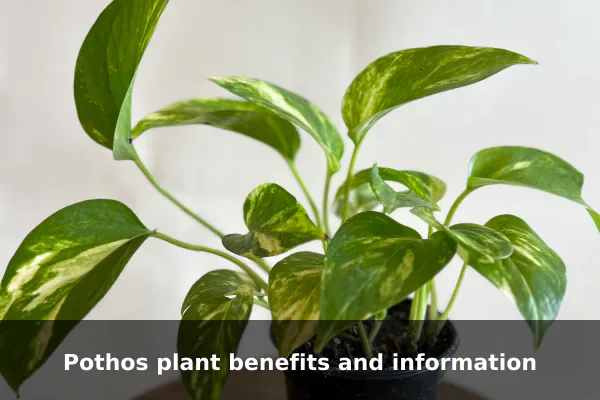
The pothos plant is one of the most popular houseplants in the world, and for good reason. With its glossy heart-shaped leaves, trailing vines, and famously forgiving nature, pothos has earned a permanent place on shelves, desks, and hanging baskets in homes and offices alike.
This guide explains what pothos really is, the realistic benefits it offers indoors, and the safety facts every owner should know. We will anchor key claims to recognized sources such as Kew Science, NC State Extension, ASPCA, Poison Control, and NASA, so you get balanced information rather than marketing hype.
What Is a Pothos Plant?
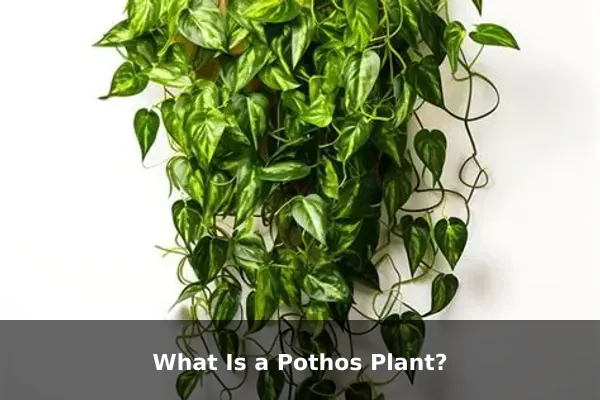
Pothos is the common name for Epipremnum aureum, a tropical evergreen vine in the Araceae family. According to Plants of the World Online from Kew Science, the species is widely cultivated and naturalized in tropical regions, and it is also known by names like golden pothos, devil’s ivy, and money plant.
Identifying Features
NC State Extension describes pothos as a vining plant with smooth, waxy, heart-shaped leaves that often display yellow, white, or pale green variegation. Indoors it usually stays in a juvenile leaf form, while mature outdoor plants can produce much larger, sometimes lobed leaves.
Popular Varieties
- Golden Pothos – classic green leaves marbled with yellow.
- Marble Queen – heavy creamy-white variegation.
- Neon Pothos – bright chartreuse foliage.
- Jade Pothos – solid deep green leaves.
Key Benefits of Growing Pothos Indoors
Pothos owes its global popularity to a mix of practical and aesthetic benefits that suit modern indoor living. Most of these benefits relate to everyday usability rather than dramatic health effects.
Decorative and Versatile
The trailing vines look attractive cascading from high shelves, bookcases, or hanging baskets. Pothos can also be trained upward on a moss pole, which encourages larger leaves over time.
Low-Maintenance and Beginner-Friendly
- Tolerates a wide range of indoor light, from bright indirect to fairly low light.
- Forgives occasional missed waterings.
- Recovers well after pruning.
- Roots easily in water or soil, making propagation simple.
Flexible Placement
Because it adapts to varied conditions, pothos works in apartments, offices, classrooms, and small spaces where light is inconsistent. It is a strong choice for renters and beginners who want greenery without a steep learning curve.
Can Pothos Help Clean Indoor Air?
Many sources claim pothos “purifies” indoor air. This idea traces back to a 1989 NASA technical report on interior landscape plants for indoor air pollution abatement, which tested certain houseplants inside small, sealed chambers and measured reductions in specific volatile organic compounds.
However, it is important to read the claim carefully:
- The NASA study was conducted in sealed laboratory chambers, not typical homes.
- Later research generally suggests that to meaningfully affect air quality in a normal room, you would likely need a very large number of plants and good ventilation still matters more.
- Pothos can be part of a pleasant, greener indoor environment, but it should not be marketed as a substitute for proper ventilation or air filtration.
So yes, pothos may contribute modestly to a healthier-feeling space, but realistic expectations are essential.
Basic Pothos Care Requirements
University extension resources such as NC State Extension consistently describe pothos as one of the easiest houseplants to grow. The following care summary reflects that general guidance.
Light
Pothos prefers bright, indirect light but tolerates medium to low light. Variegated types may lose their pattern in very dim spots, while harsh direct sun can scorch the leaves.
Watering
- Let the top 2–3 cm (about an inch) of soil dry between waterings.
- Water thoroughly, then drain – pothos dislikes sitting in waterlogged soil.
- Drooping leaves often signal thirst; yellowing lower leaves may indicate overwatering.
Soil and Potting
Use a well-draining indoor potting mix in a container with drainage holes. Repot every 1–2 years or when roots circle the pot.
Pruning and Propagation
Trim long vines to encourage bushier growth. To propagate, cut a stem just below a node, place it in water or moist soil, and roots typically form within a few weeks.
Safety for Pets, Children, and Handling
Despite its friendly reputation, pothos is not a non-toxic plant. NC State Extension and the ASPCA note that Epipremnum aureum contains insoluble calcium oxalate crystals, which can irritate tissues if chewed or ingested.
Pets
According to ASPCA Animal Poison Control, golden pothos is listed as toxic to cats and dogs. Reported clinical signs can include oral irritation, intense burning of the mouth, drooling, vomiting, and difficulty swallowing. If you suspect your pet has chewed pothos, contact a veterinarian or a pet poison helpline promptly.
Children
Poison Control resources include pothos among common houseplants that can cause mouth and throat irritation if chewed by curious children. Place pothos out of reach of toddlers, and seek qualified medical guidance if ingestion is suspected rather than relying on self-diagnosis.
Handling Tips
- Wash hands after pruning or repotting.
- Wear gloves if you have sensitive skin.
- Keep cuttings, water jars, and trimmings away from pets and small children.
Best Uses and Quick Buying Tips
Pothos is an excellent choice when you want a resilient, attractive plant without complicated care routines.
Where It Works Best
- High shelves, mantels, and tops of cabinets where vines can trail.
- Hanging baskets in living rooms, bedrooms, or bathrooms with some light.
- Desks and side tables in small apartments or offices.
What a Healthy Plant Looks Like
- Firm, glossy leaves with clear variegation if applicable.
- No mushy stems, dark spots, or pest webbing.
- White, healthy roots that are not tightly circling the pot.
Who Should Choose Pothos
Pothos suits beginners, busy people, and anyone who wants greenery in challenging light. Homes with cats, dogs, or young children can still enjoy pothos, but placement should keep the foliage out of easy reach.
Conclusion
Pothos is rightly considered one of the most rewarding houseplants for everyday life. Its real strengths are clear: easy care, adaptable light needs, simple propagation, and lush trailing foliage that fits almost any interior style.
Air-purifying and wellness claims should be taken with measured optimism, supported by the original NASA research context rather than exaggerated marketing. Likewise, while pothos is beginner-friendly, the calcium oxalate content makes thoughtful placement around pets and children essential. Care for it with light, modest watering, and occasional pruning, and a single pothos can quickly become a lifelong indoor companion.
Official references
- Plants of the World Online, Kew Science – Epipremnum aureum – Authoritative taxonomy, accepted scientific name, synonyms, and native-range context for pothos.
- NC State Extension Gardener Plant Toolbox – Epipremnum aureum – University extension profile covering identification, growing conditions, and poison characteristics.
- ASPCA Animal Poison Control – Golden Pothos – Primary pet-toxicity reference for golden pothos, including toxic principle and clinical signs for cats and dogs.
- Poison Control – Poisonous and Non-poisonous Plants – Human poisoning guidance and plant safety context relevant to child ingestion risk.
- NASA Technical Reports Server – Interior Landscape Plants for Indoor Air Pollution Abatement – Original NASA technical report often cited for houseplant air-purifying claims, useful for explaining the source and limits of the claim.
