
Starting your journey with plants can feel both exciting and a little overwhelming. There is so much advice online that beginners sometimes expect houseplants to do everything from purifying entire rooms to instantly improving mental health. The truth sits somewhere in the middle, and understanding it makes the experience far more rewarding.
This guide walks through the most important plant benefit facts every beginner should know. Instead of focusing on a single species, it explains the broader, realistic advantages of bringing plants into your home and life, plus how to enjoy them without stress.
Plants Can Improve How a Space Feels
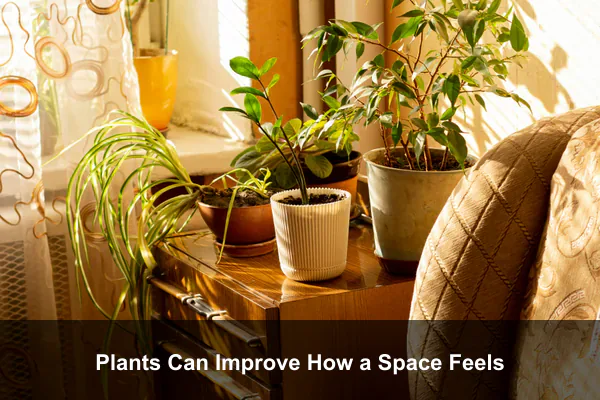
One of the most immediate benefits of plants is the way they transform a room. Even a small pot on a desk can make a space feel softer, calmer, and more lived-in. Greenery introduces natural shapes and gentle colors that balance the hard lines of furniture, walls, and screens.
For beginners, this is encouraging because you do not need a jungle to enjoy the effect. A few well-placed plants can:
- Brighten dull corners and shelves
- Add texture and visual interest
- Make small apartments feel more welcoming
- Create a sense of personal sanctuary
Why Visual Comfort Matters
Spaces that feel comfortable often help us relax after long days. While a plant alone will not fix stress, the simple act of looking at greenery has been associated with a calmer mood. That makes plants a low-effort upgrade to your everyday environment.
Some Plants Help Support Better Indoor Air Quality
You have probably read that plants “purify” the air. The honest version is more modest. Plants do exchange gases and can contribute small improvements to indoor environments, but they are not replacements for proper ventilation or air filters.
Still, the benefit is real when expectations are realistic. A collection of healthy plants can:
- Add a touch of humidity through transpiration
- Encourage you to open windows and care for your space
- Reduce the feeling of stuffiness in closed rooms
Set Realistic Expectations
Instead of buying dozens of plants hoping to clean the air, focus on a few healthy ones you can maintain. Healthy plants always provide more benefit than struggling ones.
Plant Care Can Build a Simple Wellness Routine
Caring for plants creates small, predictable rituals. Checking soil moisture, wiping leaves, rotating pots toward the light, and pruning yellow leaves are tasks that take only minutes but offer surprising mental rewards.
For beginners, this gentle routine can:
- Encourage mindfulness through slow observation
- Build patience as plants grow over weeks and months
- Provide a sense of accomplishment with each new leaf
- Create a break from screens and notifications
Start Small to Stay Consistent
Two or three plants are enough to build the habit. Trying to manage twenty at once is a common beginner mistake that leads to burnout and forgotten watering schedules.
Certain Plants Offer Practical Everyday Uses
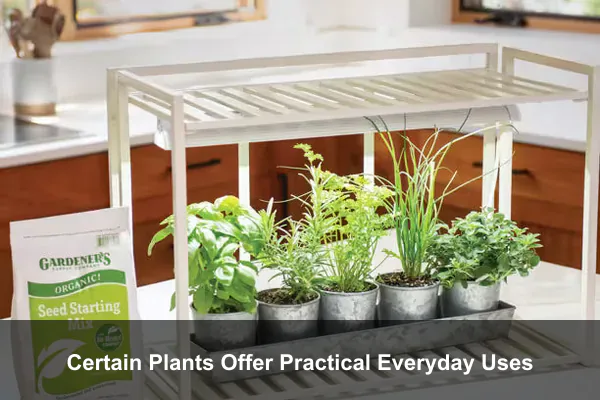
Beyond decoration and atmosphere, many beginner-friendly plants have practical functions. Growing them turns a hobby into something useful in daily life.
Helpful examples include:
- Culinary herbs like basil, mint, and chives, which add fresh flavor to meals
- Aloe vera, traditionally used for minor skin irritations and burns
- Leafy greens in small containers for quick salads
- Scented plants that freshen rooms naturally
Useful Without Being Demanding
Most of these plants thrive on a sunny windowsill with basic watering. They reward beginners quickly because results are visible and tangible, whether through a harvested leaf or a soothing gel.
Plants Can Teach Beginners About Nature
Plants are quiet teachers. They show you how light moves through a room, how seasons change humidity, and how soil behaves when it is too wet or too dry. Over time, beginners start reading subtle signals that experienced gardeners take for granted.
Lessons you naturally pick up include:
- Recognizing signs of overwatering and underwatering
- Understanding direct versus indirect sunlight
- Noticing how temperature and drafts affect growth
- Appreciating the cycles of dormancy and new growth
Responsibility Without Pressure
Unlike pets, plants do not demand constant attention. They are forgiving enough for busy schedules but responsive enough to make care feel meaningful. This balance makes them ideal for first-time growers learning responsibility.
Easy Starter Plants Make the Benefits More Enjoyable
The fastest way to enjoy plant benefits is to choose species suited to your space and lifestyle. Matching plants to light, watering schedule, and room size matters more than picking the prettiest one in the store.
Tips for Choosing Beginner Plants
- Observe how much natural light your room receives during the day
- Pick low-maintenance varieties that tolerate occasional neglect
- Start with one or two plants before expanding
- Use pots with drainage holes to avoid root rot
- Group plants with similar needs together
Common Beginner-Friendly Traits
Look for plants described as drought-tolerant, low-light-tolerant, or slow-growing. These traits forgive small mistakes and give beginners room to learn without losing motivation.
Conclusion
The most important plant benefit facts every beginner should know come down to balance and realism. Plants can make spaces feel calmer, support a small wellness routine, offer practical uses, and teach valuable lessons about nature. They will not solve every problem, but they reliably add comfort and life to your home.
Start with a few easy plants, observe them closely, and let your collection grow at a pace that matches your time and space. With patience and curiosity, the benefits will appear naturally, one healthy leaf at a time.