
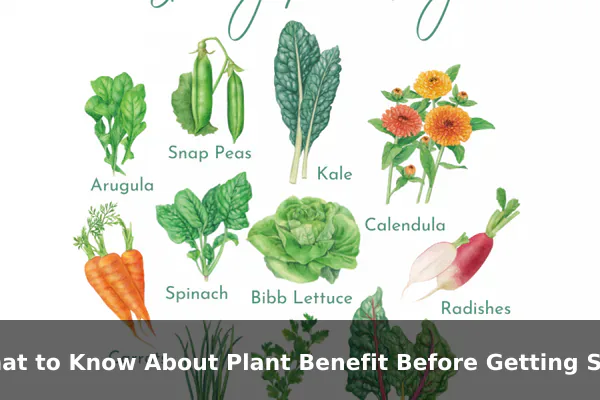
Plants do far more than fill empty corners or add color to a room. From the moment you bring one home, it begins working quietly in the background — filtering air, regulating moisture, and even shifting the mood of the space around it. Yet many beginners step into plant ownership without a clear picture of what they are actually gaining, or what they need to prepare for.
Understanding plant benefit before you start helps you set realistic expectations, choose the right species, and get the most out of every plant you bring home. This guide covers what you need to know — from health perks to practical considerations — so you can begin with confidence.
Key Health Benefits Plants Bring to Your Space
One of the most recognized plant benefits is the ability to improve indoor air quality. Through photosynthesis, plants absorb carbon dioxide and release oxygen, making the air in your home feel fresher and more breathable. Some species go further by removing airborne toxins such as formaldehyde, benzene, and ammonia — chemicals commonly found in furniture, paint, and cleaning products.
Air Purification
Plants like the Snake Plant and Peace Lily have been studied for their ability to process indoor pollutants. While a single plant will not replace proper ventilation, a few well-placed specimens can make a measurable difference in the quality of air you breathe daily.
Humidity and Comfort
Plants release water vapor through a process called transpiration. In dry indoor environments — especially during winter when heating systems reduce humidity — this added moisture can ease dry skin, sore throats, and static electricity. The Areca Palm and Boston Fern are particularly effective natural humidifiers for enclosed spaces.
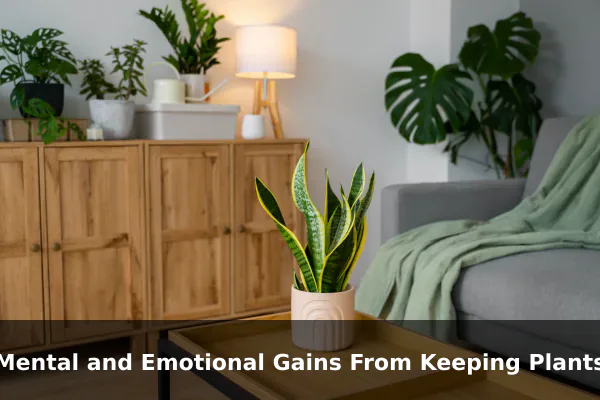
Mental and Emotional Gains From Keeping Plants
The mental health benefits of keeping plants are increasingly supported by research. Simply being near greenery has been shown to lower cortisol levels, reduce anxiety, and promote a calmer state of mind. For people working from home or spending long hours indoors, a few plants nearby can meaningfully shift the feel of a workspace.
There is also a subtle but powerful benefit in the act of caring for something. Watering, pruning, and observing a plant’s growth builds a gentle daily routine. This sense of nurture is particularly helpful for people managing stress or low motivation. Even small wins — a new leaf, a healthy root — create quiet satisfaction that is hard to replicate with other hobbies.
Environmental and Practical Benefits at Home
Beyond personal wellness, plants contribute to the broader environment of your home in practical ways:
- Noise reduction: Dense foliage absorbs and diffuses sound, softening echoes in hard-surfaced rooms.
- Cooling effect: Plants lower the ambient temperature slightly through transpiration, which can reduce reliance on air conditioning during warmer months.
- Improved focus: Studies in workplace environments show that the presence of plants improves concentration and productivity.
- Aesthetic value: Plants add texture, color, and life to any space — benefits that are immediate and visible from day one.
Even one or two plants in a room can make a difference. You do not need a full indoor garden to start experiencing these benefits in your everyday life.
What to Consider Before You Start
Getting the most from plant benefit means choosing species that actually suit your environment and lifestyle. Here are the key factors to evaluate before buying your first plant:
Light Conditions
Not all plants thrive in low light. Assess how much natural light each room receives before selecting a species. South-facing windows offer strong light, while north-facing rooms may only support shade-tolerant varieties like Pothos or ZZ Plant.
Watering Habits
Overwatering is the most common beginner mistake. Some plants need consistent moisture; others prefer to dry out completely between waterings. Know your own schedule honestly and choose a plant that matches it.
Safety for Pets and Children
Several popular houseplants are toxic if ingested. Philodendron, Pothos, and Peace Lily are beautiful but require caution in homes with curious pets or young children. Always verify a plant’s toxicity profile before purchasing.
Space and Container Size
Some plants grow large quickly. A Monstera or Bird of Paradise can dominate a small room within a year. Match the plant’s eventual size to your available space before committing.
Easiest Plants for Beginners to Maximize Benefits
If you are just getting started, choose plants that deliver strong benefits with minimal maintenance demand:
- Pothos — Nearly indestructible, tolerates low light, and actively improves air quality.
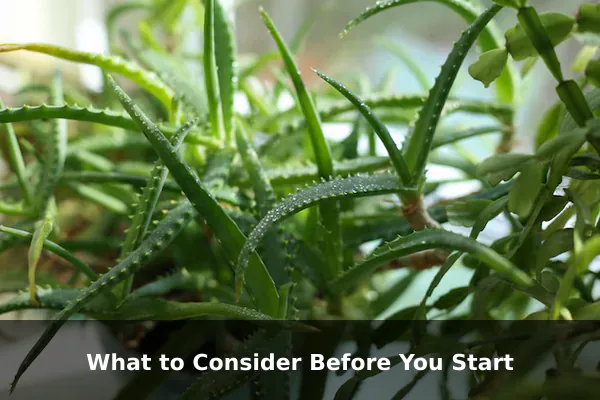
- Aloe Vera — Requires little water, thrives in sunny spots, and offers topical skin benefits.
- Snake Plant — One of the best air purifiers, tolerates neglect, and adapts to almost any light condition.
- Spider Plant — Safe for most pets, fast-growing, and excellent at removing airborne toxins.
- Succulents — Ideal for dry climates and infrequent waterers; add visual variety with minimal effort.
Starting with even one of these species gives you an immediate return on the investment of plant benefit — without the steep learning curve that comes with more demanding varieties.
Understanding what plants genuinely offer — and what they require in return — is the foundation of a rewarding experience. Whether your goal is cleaner air, a calmer mind, or simply a more inviting home, the right plant is out there. Start informed, start small, and let the benefits grow naturally from there.
