
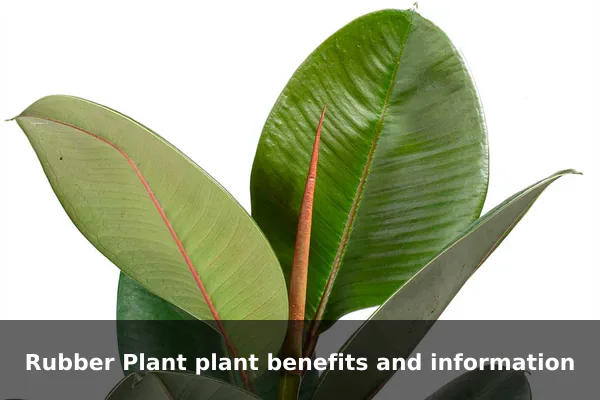
The Rubber Plant (Ficus elastica) is one of the most recognizable broad-leaved houseplants, valued for its glossy, leathery foliage and upright, sculptural form. Whether placed in a sunlit corner of a living room or a quiet office nook, it offers year-round greenery with relatively little fuss, making it a favorite among both beginner and experienced indoor gardeners.
This guide takes a practical, evidence-aware look at the Rubber Plant. We will cover what it actually is, the realistic benefits of growing it indoors, sensible care steps, and important safety notes for households with curious pets or young children. The goal is to help you enjoy the plant confidently, without exaggerated claims.
What Is a Rubber Plant?
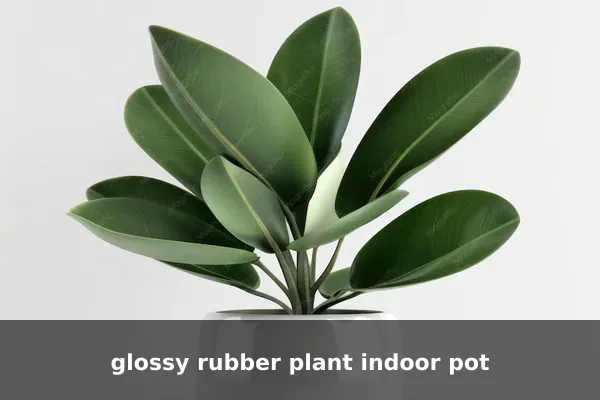
The Rubber Plant is the common name for Ficus elastica, a species in the fig family (Moraceae). According to the Royal Botanic Gardens, Kew, it is native to parts of South and Southeast Asia, where it can grow into a very large tree in the wild. Indoors, however, it usually remains a manageable shrub or small tree.
Appearance and Common Cultivars
- Leaves: Thick, glossy, oval, and often deep green; some cultivars are burgundy, variegated cream, or pink-tinted.
- Stems: Upright and woody as the plant matures, sometimes branching after pruning.
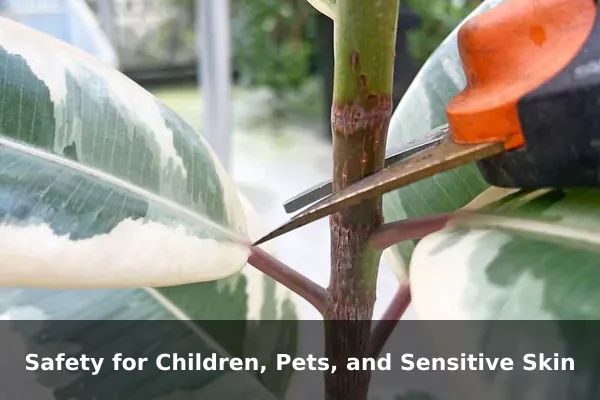
- Sap: A milky white latex that flows when leaves or stems are cut.
Why It Became a Popular Houseplant
Its bold leaves, tolerance of average indoor conditions, and slow-to-moderate growth make it well suited to modern interiors. It also adapts to a range of pot sizes, which helps it fit into both small apartments and larger rooms.
Key Benefits of Growing a Rubber Plant Indoors
The most reliable benefits of a Rubber Plant are aesthetic and lifestyle related rather than medical. When framed honestly, the advantages are still meaningful.
Visual and Decorative Value
- Creates a strong focal point with its large, polished leaves.
- Adds vertical structure that balances low furniture and soft textiles.
- Pairs well with minimalist, tropical, and Scandinavian interior styles.
Low-Maintenance Greenery
Compared with many tropical plants, the Rubber Plant tolerates occasional missed waterings and average room humidity. This makes it a forgiving choice for busy households or offices.
A Calmer Indoor Atmosphere
Many people simply enjoy having greenery indoors. While this is more about ambience and personal preference than measurable health outcomes, a well-placed plant can make a space feel more welcoming and less sterile.
Air Quality Claims: What to Know
Rubber Plants are often marketed as natural “air purifiers.” It is worth being careful with this claim. The US Environmental Protection Agency notes that practical improvements in indoor air quality come mainly from source control, adequate ventilation, and regular cleaning, not from a small number of houseplants.
A Rubber Plant in your living room is unlikely to noticeably change pollutant levels on its own. Enjoy it for its beauty and the pleasure of caring for a living thing, and use proper ventilation and filtration for actual air quality concerns.
Rubber Plant Care Basics
The Rubber Plant is not demanding, but it does have preferences. North Carolina Extension Gardener describes it as a tropical species that thrives with steady warmth, indirect light, and well-drained soil.
Light
- Bright, indirect light is ideal.
- Some morning sun is tolerated; harsh afternoon sun can scorch leaves.
- Variegated cultivars need more light to keep their colors.
Watering
- Let the top 2-3 cm of soil dry before watering again.
- Water thoroughly, then empty the saucer to prevent soggy roots.
- Reduce watering in cooler months.
Soil, Humidity, and Temperature
- Use a well-drained houseplant mix; add perlite if needed.
- Average room humidity is usually enough.
- Comfortable for people, comfortable for the plant: roughly 18-27°C, away from cold drafts.
Pruning and Leaf Care
- Wipe leaves gently with a damp cloth to keep them glossy.
- Prune to encourage branching or control height; wear gloves to avoid sap contact.
- Repot every 1-2 years or when roots fill the container.
Safety for Children, Pets, and Sensitive Skin
The Rubber Plant's milky sap is the main safety concern. According to the University of Utah Poison Control, the latex from rubber tree plants can irritate skin and may cause discomfort if chewed or swallowed. Pet Poison Helpline lists Ficus elastica as toxic to dogs and cats, with possible symptoms including drooling, vomiting, and oral irritation.
Practical precautions:
- Place the plant where pets and small children cannot easily chew the leaves.
- Wear gloves when pruning or repotting, and wash skin if sap contacts you.
- If a child or pet ingests any part of the plant, contact a poison control center or veterinarian promptly.
Common Problems and Simple Fixes
Yellow Leaves or Leaf Drop
- Likely cause: Overwatering or sudden cold drafts.
- Fix: Let the soil dry more between waterings; move away from cold windows.
Brown Leaf Edges
- Likely cause: Dry air, underwatering, or fertilizer buildup.
- Fix: Water more consistently and occasionally flush the soil with plain water.
Leggy, Sparse Growth
- Likely cause: Insufficient light.
- Fix: Move closer to a bright window or add a grow light; prune to encourage branching.
Pests
- Watch for spider mites, mealybugs, and scale.
- Treat early with gentle wiping, insecticidal soap, or other appropriate houseplant treatments.
Best Placement and Styling Tips
To get the most from a Rubber Plant visually and practically:
- Choose a spot with bright indirect light near an east- or filtered south-facing window.
- Leave enough overhead and side clearance so leaves are not crushed against walls or curtains.
- Keep it away from heaters, air conditioners, and frequently opened cold doors.
- Use a sturdy pot with drainage; tall, narrow planters complement its upright shape.
- Rotate the pot occasionally so growth stays even on all sides.
Final Takeaway
The Rubber Plant earns its long-standing popularity through striking foliage, manageable care needs, and adaptable styling. Its real strengths are aesthetic and lifestyle related; broad claims about purifying indoor air should be treated with caution. With sensible placement, simple care, and awareness of its mildly toxic sap, Ficus elastica can be a long-lived, rewarding presence in your home or workspace.
Official references
- Royal Botanic Gardens, Kew – Plants of the World Online: Ficus elastica – Authoritative taxonomy, accepted scientific name, synonyms, and native/introduced distribution for Ficus elastica.
- North Carolina Extension Gardener Plant Toolbox – Ficus elastica – University extension profile useful for identification, horticultural details, houseplant context, and toxicity notes.
- University of Utah Poison Control – Rubber Tree – Poison control reference for human safety, including rubber tree/Ficus species toxicity and skin-irritant risk.
- Pet Poison Helpline – Rubber Tree Plant – Veterinary toxicology reference for Ficus elastica pet toxicity, likely symptoms, and when to seek help.
- US Environmental Protection Agency – Improving Indoor Air Quality – Official source for balancing air-purifying houseplant claims; states evidence limits for meaningful pollutant removal in homes and offices.
