
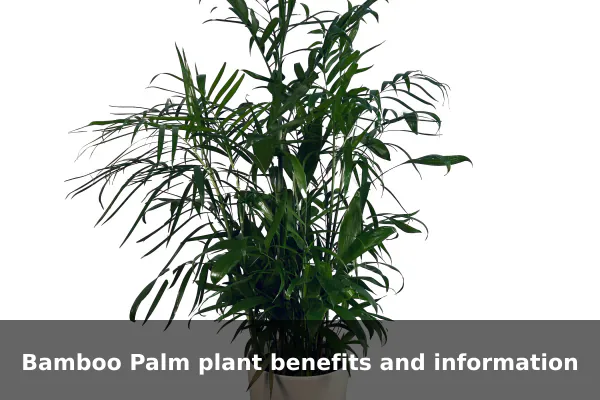
The bamboo palm (Chamaedorea seifrizii) is a graceful, clumping indoor palm prized for its slender, cane-like stems and soft, feathery foliage. It brings a relaxed tropical feel to living rooms, offices, and shaded patios without demanding the intense light most palms require. For anyone wanting an approachable statement plant, it is one of the easiest small palms to keep happy.
This guide explains what the bamboo palm actually is, the realistic benefits it offers indoors, what the science says about its air-cleaning reputation, and how to care for it safely. Claims are anchored to botanical and public-health sources rather than marketing language, so you can set sensible expectations before bringing one home.
What Is a Bamboo Palm?
According to Plants of the World Online (Royal Botanic Gardens, Kew), the accepted name is Chamaedorea seifrizii, in the palm family Arecaceae. It is native to parts of Central America, including Mexico and Belize, where it grows in the understory of tropical forests. The National Tropical Botanical Garden notes its reed-like, multi-stemmed habit, which is the source of its common name.
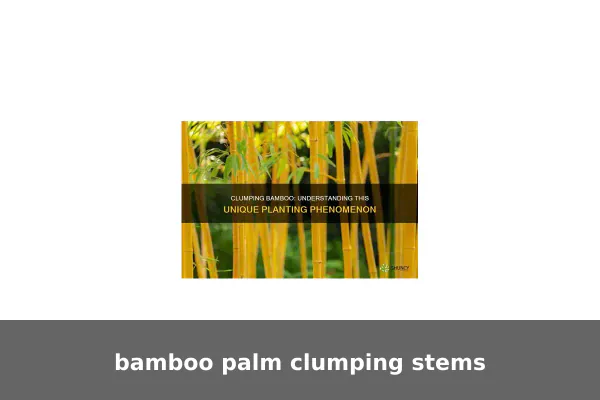
Why It Looks Like Bamboo
The plant grows in clumps of thin, jointed canes that resemble bamboo culms, topped with arching pinnate leaves. Despite the nickname, it is a true palm, not a grass relative.
Typical Size Indoors
Indoors, bamboo palms generally reach 4 to 7 feet tall, depending on light, container size, and age. Outdoor specimens in suitable climates can grow somewhat taller, as described by the North Carolina Extension Gardener Plant Toolbox.
Key Benefits of Bamboo Palm Indoors
The strongest, most defensible benefits of this plant are practical and aesthetic. They include:
- Shade tolerance: thrives in bright, indirect light where many palms struggle.
- Soft, tropical texture: the feathery fronds add visual calm to busy rooms.
- Natural screening: mature clumps work as living dividers in open spaces.
- Beginner-friendly habit: forgiving of slightly inconsistent watering.
- Humidity-friendly foliage: well suited to bathrooms and kitchens with steady moisture.
Air Quality Claims: What the Evidence Really Says
Bamboo palm is often promoted as an air-purifying plant because it appeared in the well-known NASA Clean Air Study (Wolverton et al., 1989). That research did show measurable removal of certain volatile organic compounds inside small, sealed test chambers.
However, the U.S. Environmental Protection Agency, in its guide The Inside Story: A Guide to Indoor Air Quality, emphasizes that source control and ventilation are the primary tools for managing indoor air quality. Real homes are not sealed chambers, and the number of plants needed to meaningfully change air quality is generally far higher than typical decor levels.
A balanced takeaway: enjoy bamboo palm for its beauty and mild humidity contribution, but do not rely on it as a substitute for ventilation, filtration, or removing pollution sources.
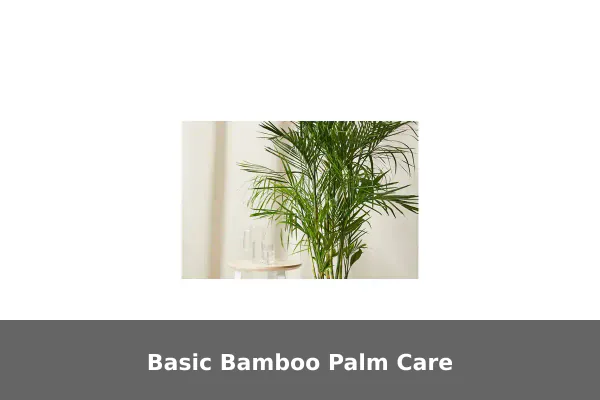
Basic Bamboo Palm Care
Care guidance below is consistent with the NC Extension profile and general botanical garden recommendations.
Light
Bright, indirect light is ideal. It tolerates medium and lower light better than most palms, but growth slows and stems thin out in deep shade. Avoid harsh, direct midday sun, which scorches the fronds.
Watering
Keep the soil evenly moist but not soggy. Let the top 2–3 cm dry between waterings, and empty saucers so roots are not sitting in water. Overwatering is the most common cause of decline.
Soil and Potting
Use a well-draining, peat- or coir-based houseplant mix. Choose a pot with drainage holes, and repot every 2–3 years or when roots fill the container.
Humidity and Temperature
Average household humidity is usually acceptable, but the plant looks its best above 40–50% relative humidity. Keep it in the typical indoor range of about 18–27°C and away from cold drafts or heating vents.
Feeding and Pruning
Feed lightly with a balanced houseplant fertilizer during the growing season. Trim only fully brown fronds at the base; avoid cutting healthy green tissue, since palms do not regrow from cut canes.
Safety, Pets, and Handling Notes
Bamboo palm is widely listed as having a low poison severity, and it is commonly described as non-toxic to cats and dogs. The NC Extension Plant Toolbox and NTBG also note that the small fruits may cause skin irritation in sensitive people during handling, so wear gloves when pruning fruiting stems.
General safety habits still apply:
- Keep plant parts out of reach of young children who chew leaves.
- Discourage pets from gnawing stems or digging soil.
- Consult a veterinarian or poison center if an unusual reaction occurs.
Common Problems and Simple Fixes
Brown Leaf Tips
Usually caused by dry air, underwatering, or salt buildup. Increase humidity, water more consistently, and flush the soil occasionally with plain water.
Yellowing Fronds
Frequently a sign of overwatering or poor drainage. Check that the pot drains freely and let the soil surface dry slightly before the next watering.
Pests
Spider mites and mealybugs are the most common issues, especially in dry indoor air. Inspect the undersides of fronds and treat early with insecticidal soap or a gentle shower rinse.
Best Uses in Home and Garden Design
Because of its narrow footprint and shade tolerance, the bamboo palm is versatile in design:
- Living-room focal point beside sofas or media units.
- Office greenery in bright, indirect corners.
- Bedroom plant for a calming, tropical mood.
- Shaded patio accent in frost-free climates only.
- Soft room divider when several specimens are grouped.
Quick Facts About Bamboo Palm
- Scientific name: Chamaedorea seifrizii
- Family: Arecaceae
- Native range: Central America (incl. Mexico, Belize)
- Mature indoor size: approximately 4–7 ft tall
- Light: bright indirect; tolerates medium light
- Water: evenly moist; avoid waterlogging
- Soil: well-draining houseplant mix
- Toxicity: generally low; possible skin irritation from fruit
- Difficulty: beginner-friendly
Conclusion
The bamboo palm earns its popularity through realistic, repeatable strengths: elegant clumping form, tolerance of indirect light, manageable care, and a generally low toxicity profile. Treat its air-purifying reputation with care, lean on ventilation and source control for indoor air quality, and enjoy the plant for the calm tropical character it adds to your space. With steady watering, indirect light, and occasional grooming, a healthy bamboo palm can be a long-lived companion in almost any well-lit room.
Official references
- Plants of the World Online, Royal Botanic Gardens Kew – Authoritative taxonomy for Chamaedorea seifrizii, including accepted name, family, native range, and botanical status.
- North Carolina Extension Gardener Plant Toolbox – University extension profile with identification, care guidance, uses, and poison-severity notes for bamboo palm.
- National Tropical Botanical Garden Tropical Plant Database – Botanical garden database with morphology, distribution, conservation status, herbarium context, and plant safety notes such as fruit-skin irritation.
- U.S. Environmental Protection Agency – The Inside Story: A Guide to Indoor Air Quality – Official source for indoor air quality and health-claim framing; useful for avoiding overstated claims that houseplants meaningfully clean indoor air.
- NASA Technical Reports Server – Interior Landscape Plants for Indoor Air Pollution Abatement – Primary NASA technical memorandum behind many air-purifying plant claims, useful to cite accurately and contextualize limitations.
