
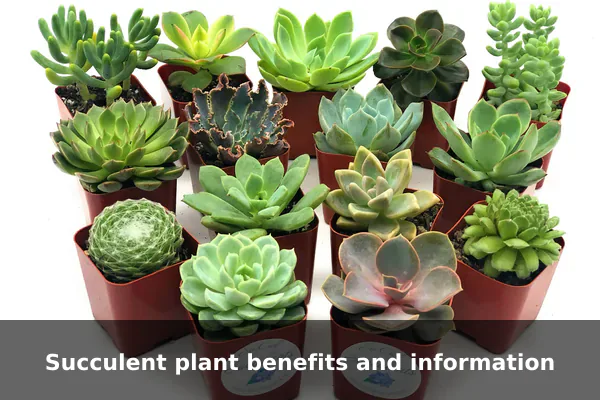
Succulent plants have captured the attention of gardeners and home decorators worldwide, and it is easy to understand why. With their striking shapes, jewel-like colors, and reputation for surviving on minimal care, succulents offer something most other plants simply cannot match: beauty without constant effort.
Whether you are a first-time plant owner or simply looking for something low-maintenance to brighten a windowsill, succulents deserve a close look. This guide covers what they are, the key benefits they provide, how to care for them, and which varieties work best for beginners.
What Are Succulent Plants?
Succulents are plants that store water in their leaves, stems, or roots. This adaptation evolved to help them survive in arid environments where rainfall is scarce and unpredictable. The result is a group of plants with unusually thick, fleshy tissue that holds moisture for extended periods.
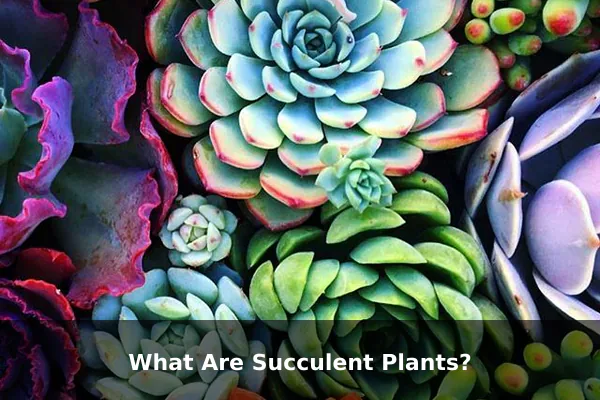
Succulents span a wide range of plant families. Common examples include Echeveria, Sedum, Haworthia, Crassula, and Aloe. Each has its own shape and texture, but all share the core trait of water storage that makes them so resilient.
Main Benefits of Succulent Plants
Succulents offer a practical mix of benefits that appeal to beginners and experienced gardeners alike.
- Low water requirement: Because they store moisture internally, succulents can go days or even weeks without watering, making them ideal for busy households.
- Easy upkeep: They need very little fertilizer and rarely require repotting more than once every couple of years.
- Space-friendly: Most succulents stay compact and grow slowly, fitting comfortably on desks, shelves, and small windowsills.
- Visual appeal: Their diverse forms, from rosette shapes to trailing vines, add texture and color to any space without overwhelming it.
- Long-lasting: With proper care, succulents can live for many years and even produce offsets that multiply your collection for free.
- Beginner-friendly: Their tolerance for neglect makes them forgiving plants, which is particularly valuable for new plant owners who are still building confidence.
Why Succulents Work Well Indoors
Succulents are among the most versatile indoor plants available. They thrive near sunny windows and adapt to the warm, dry air found in most modern homes, conditions that challenge many other houseplants.
Their compact size makes them practical for small spaces. A single Echeveria on a desk or a trio of Haworthia on a bathroom shelf adds a natural, calming element without taking up significant room. They are also popular choices for terrariums, dish gardens, and decorative container arrangements because they look attractive together and share similar care needs.
Decorative Versatility
Succulents pair well with minimalist, Scandinavian, boho, and rustic interior styles. Because they come in greens, blues, purples, and even reds, it is easy to choose a variety that complements existing décor without clashing.
Essential Succulent Care Information
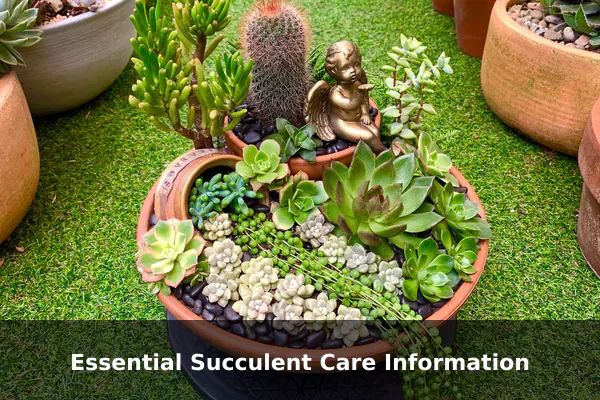
Despite their reputation for being nearly indestructible, succulents do have a few basic requirements that must be met for them to thrive.
Sunlight
Most succulents prefer bright, indirect light for at least four to six hours per day. A south- or east-facing windowsill is usually ideal indoors. Without enough light, succulents will stretch and lose their compact shape.
Watering
The golden rule for succulents is water deeply, then let dry completely. During the growing season (spring and summer), water when the top inch of soil is completely dry. In winter, reduce watering significantly as the plant enters a rest period.
Soil and Drainage
Use a well-draining soil mix specifically formulated for cacti and succulents, or blend standard potting soil with coarse sand or perlite. Always choose a pot with drainage holes to prevent water from pooling at the roots.
Common Problems and How to Prevent Them
Most succulent problems trace back to two causes: too much water or too little light. Knowing the warning signs makes it easy to correct course early.
- Overwatering and root rot: Mushy, translucent leaves and a soft base are classic signs. Allow the soil to dry out fully between waterings and ensure the pot drains freely.
- Etiolation (stretching): When a succulent reaches for light, it grows tall and spaced out rather than compact. Move the plant closer to a brighter light source.
- Mealybugs and scale: White cottony deposits or sticky residue indicate common pests. Wipe affected areas with a cotton swab dipped in rubbing alcohol or use a diluted neem oil spray.
- Leaf drop: Sudden temperature changes or drafts can cause leaves to fall. Keep succulents away from cold windows and air conditioning vents.
Popular Types of Succulents for Beginners
Choosing the right variety helps ensure early success. These beginner-friendly options are widely available and particularly forgiving.
- Echeveria: Classic rosette shapes in soft blue-green or purple tones. Tolerates some neglect well and produces offsets easily.
- Haworthia: One of the few succulents that tolerates lower light, making it useful for offices or rooms with limited windows.
- Sedum (Stonecrop): Hardy and fast-growing. Works beautifully in outdoor containers or as ground cover in mild climates.
- Crassula ovata (Jade Plant): Tree-like in appearance and extremely long-lived. Easy to propagate from stem cuttings.
- Sempervivum (Hens and Chicks): Cold-hardy and prolific. Produces clusters of rosettes that spread naturally over time.
Are Succulents the Right Plant for You?
Succulents suit almost any lifestyle, but they perform best for people who prefer less frequent watering schedules and have access to a reasonably bright spot. If you travel often, work long hours, or simply want a plant that does not demand daily attention, succulents are a natural fit.
They are also an excellent choice for anyone with limited space. A single small succulent on a desk or a curated tray arrangement on a shelf delivers genuine visual impact without requiring a dedicated garden.
In summary, succulent plants combine resilience, beauty, and simplicity in a way that few other plants can. Whether you choose a single Haworthia for your office or build a diverse collection of Echeveria and Sedum for your windowsill, you are investing in plants that will reward you with years of low-fuss enjoyment.
